How to Choose the Best Antimicrobial Bath Mat for Your Home?
Choosing the right antimicrobial bath mat is essential for maintaining hygiene and safety in your home. According to Dr. Emily Sanders, a microbiologist specializing in home health products, “Not all antimicrobial bath mats are created equal.” This statement highlights the importance of understanding the features that truly make a bath mat effective in preventing bacterial growth.
An antimicrobial bath mat can significantly reduce the risk of germs lingering in wet environments. These mats are designed to resist mold and mildew, which thrive in bathrooms. However, not every bath mat marketed as "antimicrobial" will provide the same level of protection. Consumers must be diligent in researching the materials and technologies used.
Some mats might only offer a temporary solution. They may lose their effectiveness over time with frequent washing or exposure to water. Thus, it’s crucial to check the care instructions and durability of the product. By making informed choices, you can enhance your bathroom's safety and cleanliness, ensuring that your family is protected from harmful microbes.
Understanding Antimicrobial Materials Used in Bath Mats
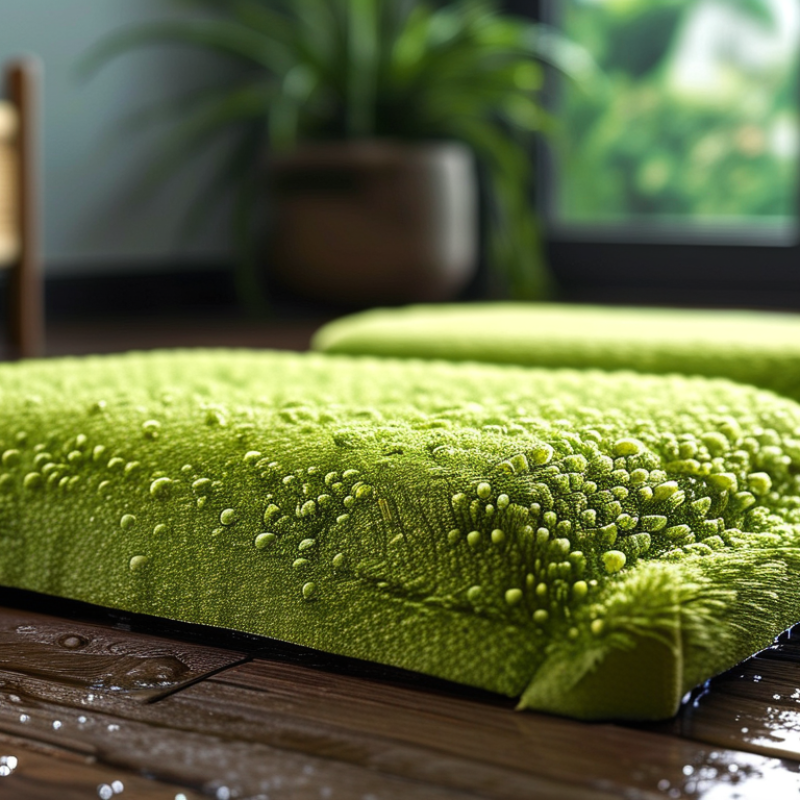
Choosing an antimicrobial bath mat involves understanding the materials that offer protection against bacteria and mold. Antimicrobial bath mats often incorporate materials like silver ions, which effectively inhibit microbial growth. Many fibers can also be treated with these agents to remain fresh and clean. They do more than just absorb water; they provide an extra layer of hygiene for your bathroom.
Another key aspect is the construction of the mat. For example, mats made from PVC or rubber are generally more resistant to moisture and subsequent mold growth. However, not all rubber is created equal. Some compositions may degrade over time, losing their antimicrobial properties. It’s crucial to consider how often you’ll wash the mat and its durability under frequent cleaning.
A common oversight is assuming that all antimicrobial mats are equally effective. In reality, the efficacy can vary widely depending on the materials and treatment methods used. Research shows that some treatments can wear off after several washes, diminishing the mat's protective capabilities. Therefore, regularly checking the condition of the mat is essential. Consider these details to make an informed choice for your home.
Antimicrobial Bath Mat Material Effectiveness
Assessing the Effectiveness of Antimicrobial Properties
When considering antimicrobial bath mats, it’s essential to evaluate their effectiveness. Look for mats that use specific materials designed to resist bacteria and fungi. Some mats use silver ions, which are known for their ability to inhibit microbial growth. It’s vital to check if the product has undergone rigorous testing to confirm these claims.
Not all antimicrobial properties are created equal. Some mats may lose their effectiveness after a few washes. Water retention and maintaining a dry surface can influence how well a mat performs. Regular maintenance is key. Cleaning can wear down the antimicrobial layer, reducing its protective benefits.
Consumer reviews and expert recommendations can offer insights. However, not every product will perform as expected. Sometimes, high expectations lead to disappointment. Understanding the limitations of these mats can help in making a better-informed choice. Antimicrobial does not mean maintenance-free. Therefore, consider your specific environment and usage patterns before making a decision.
How to Choose the Best Antimicrobial Bath Mat for Your Home? - Assessing the Effectiveness of Antimicrobial Properties
| Mat Type |
Material |
Antimicrobial Treatment |
Effectiveness Rating (1-5) |
Drying Time |
Price Range |
| Memory Foam |
Polyester |
Silver Ion |
4 |
4-6 hours |
$20-$30 |
| Cotton |
Cotton Blend |
Bamboo Charcoal |
3 |
2-4 hours |
$15-$25 |
| Rubber |
Natural Rubber |
Antimicrobial Coating |
5 |
1-2 hours |
$25-$40 |
| Microfiber |
Microfiber |
Copper Infusion |
4 |
3-5 hours |
$18-$28 |
| Vinyl |
Vinyl |
Biocide Treatment |
2 |
3-4 hours |
$10-$20 |
Evaluating Comfort and Safety Features in Bath Mats
When evaluating comfort and safety features in antimicrobial bath mats, several aspects come into play. The material composition significantly impacts comfort. Studies indicate that mats made from microfiber or memory foam provide excellent cushioning. A report by the National Safety Council highlights that slip-resistant surfaces can reduce falls by up to 45%. Selecting a mat with proper grip is essential, especially in wet environments.
Safety shouldn’t overshadow comfort. A balance of both is vital for a pleasant bath experience. While some mats might excel in antimicrobial properties, they could feel less plush underfoot. It’s worth noting that user preferences vary widely. Some people prefer a thicker mat for warmth, while others favor a sleek surface. Evaluating these needs through sampling is crucial, as subjective comfort can differ based on individual preferences.
Maintenance and hygiene also deserve attention. A mat that can be machine washed easily promotes cleanliness. According to a study from the American Journal of Infection Control, regularly washing bath mats can significantly decrease microbial load. Reflecting on the best choice requires weighing safety, comfort, and maintenance aspects. Each factor contributes to a holistic understanding of what makes an effective bathroom mat.
Considering Maintenance and Cleaning Requirements for Longevity
Choosing the right antimicrobial bath mat involves understanding maintenance requirements to ensure longevity. Look for materials that resist mold and mildew. Natural fibers might feel good underfoot, but they often require more care. Synthetic options, though less luxurious, generally demand less attention.
Cleaning frequency is critical. Even antimicrobial mats need regular washing to maintain freshness. Consider mats that are machine washable. This feature simplifies cleaning and helps keep your bathroom hygienic. If you’re choosing a non-washable option, you might worry about odors and bacteria over time.
Pay attention to drying times. Some mats retain moisture longer than others, leading to potential issues. A mat that dries quickly after usage can reduce the likelihood of odor and bacteria buildup. Reflect on your lifestyle and how much effort you are willing to invest in maintenance. A high-maintenance mat may not be the best choice for busy households.
Comparing Price Points and Brands for Value in Bath Mats
When choosing an antimicrobial bath mat, price and brand comparison is crucial. The market offers a wide range of options, from budget-friendly to luxury items. It's essential to evaluate what you need versus what you're willing to spend. Many affordable mats provide satisfactory protection against bacteria. However, investing a bit more might lead to enhanced durability and better materials.
Quality often correlates with price. Higher-end brands usually offer mats made from superior materials. These mats might be more effective at resisting mildew and mold. Nonetheless, some pricey options may not live up to their claims. User reviews can shed light on their actual performance. Seek those insights, as they often reveal the strengths and weaknesses of various products.
It’s also helpful to contemplate the mat's aesthetics. A visually appealing design can enhance your bathroom's ambiance. However, a more stylish mat might come with a slightly higher price tag. Balance practicality and design to ensure you make a wise investment. Remember, good choices stem from informed decisions, not just brand appeal or flashy advertisements.