
When considering the aesthetics and functionality of your entrance, "Front Door Mats Outside" serve as a crucial element. They welcome guests while also protecting your floors from dirt and moisture. The right mat can enhance your home’s charm and personality.
Different styles cater to varying tastes and needs. Some mats boast intricate designs, while others offer a minimalist approach. Materials range from durable rubber to soft coir. Each choice reflects your home’s character, making it essential to choose wisely.
In this guide, we’ll explore ten exceptional options for front door mats. Each mat will blend style and practicality. Prepare to elevate your entryway, ensuring it suits your unique home style. Reflect on the available choices and their impacts on your home's first impression.
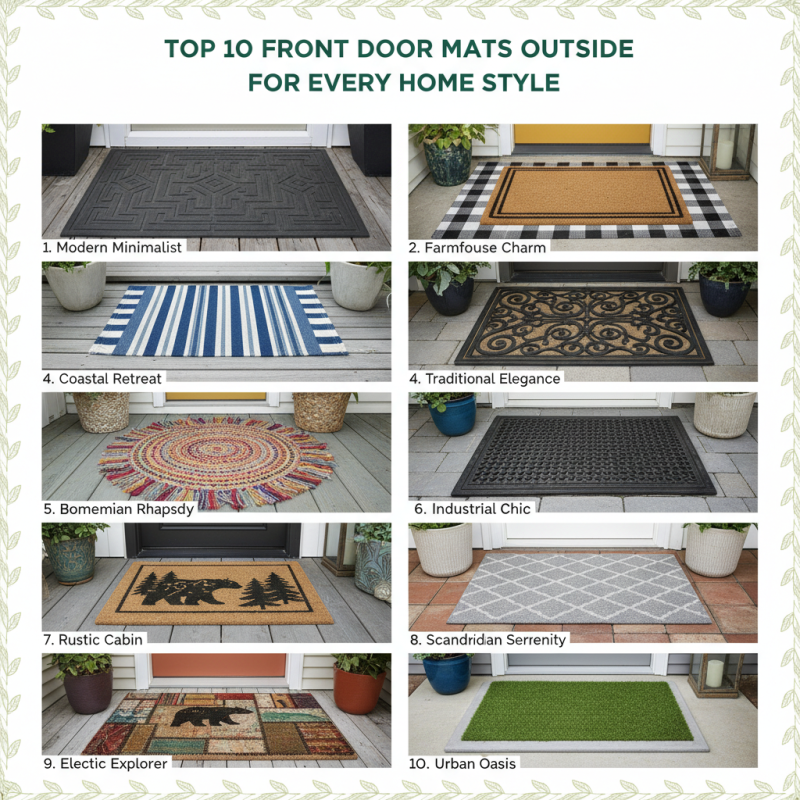
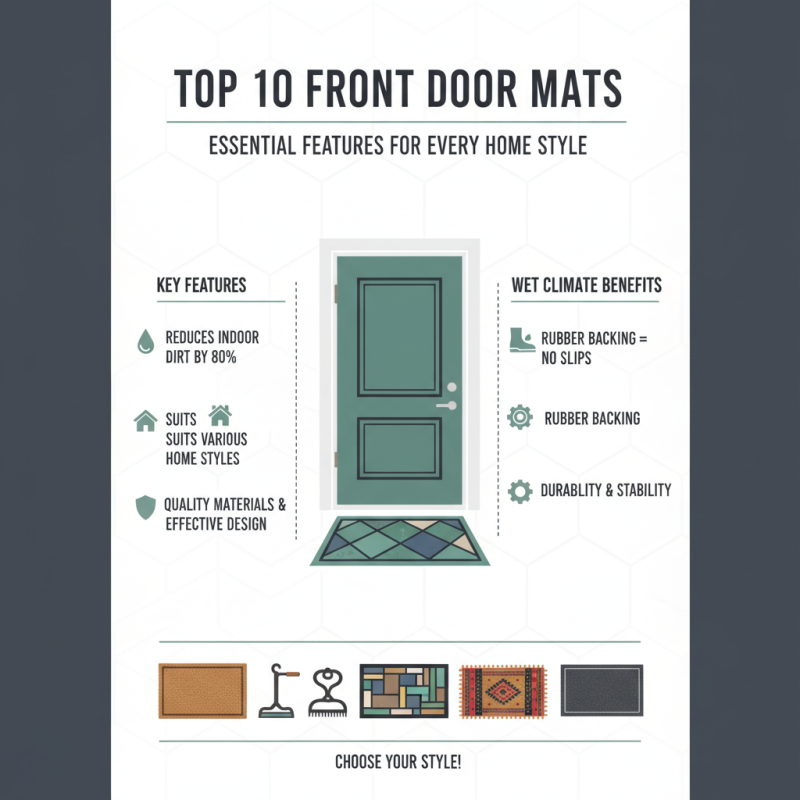
When choosing the right front door mat, it's essential to consider features that suit various home styles. Research indicates that a good door mat can reduce indoor dirt by roughly 80%. This highlights the importance of quality materials and effective design. For homes in wet climates, mats with rubber backing can prevent slips. They offer durability and stability on slick surfaces.
Additionally, visual appeal plays a significant role. A door mat often reflects your home's personality. According to a 2021 report, 70% of homeowners focus on aesthetic compatibility when selecting a mat. Options range from minimalist designs to vibrant patterns. However, striking a balance between style and function can be challenging. Some users find that decorative mats wear out quickly, losing their charm and effectiveness.
Maintenance is another critical factor. Easy-to-clean materials are preferred to ensure longevity. Studies show that homeowners who regularly clean their mats experience fewer indoor allergens. Yet, many forget this routine. Ignoring upkeep can turn a stylish mat into just another dust collector. Consider these factors when selecting a front door mat to enhance both function and beauty in your entryway.
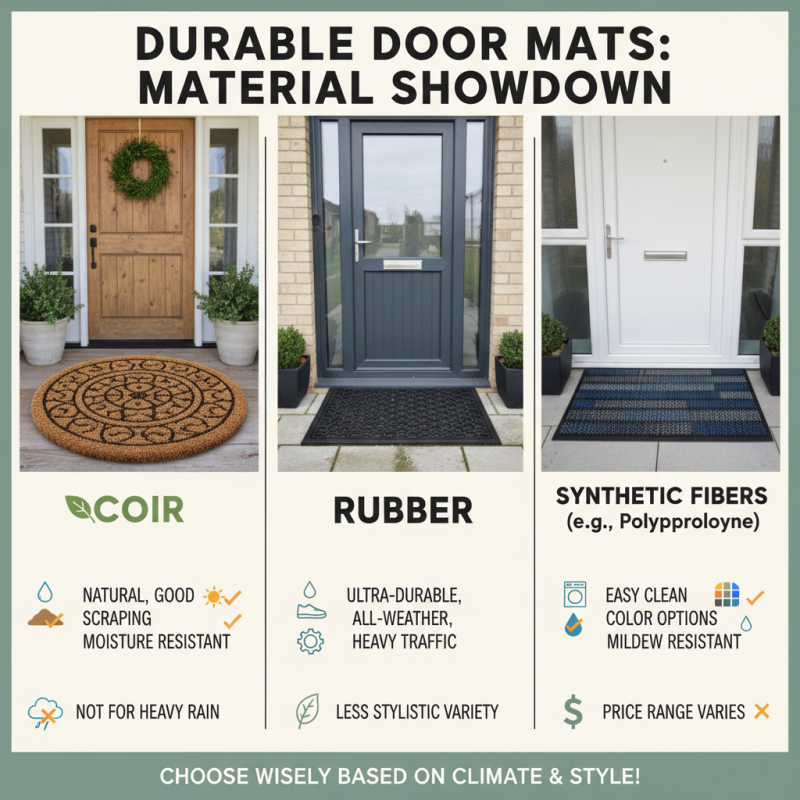
When selecting a durable front door mat, the material type significantly influences its effectiveness and longevity. Traditional options include coir, rubber, and synthetic fibers. Coir mats, made from coconut husks, offer natural resistance to moisture and dirt. They have a rustic appeal, perfect for homes with a natural or farmhouse aesthetic. However, coir can deteriorate under heavy rain and might not be the best choice for wetter climates.
Rubber mats are another popular option. They are sturdy and weather-resistant, making them suitable for all seasons. Many rubber mats feature textured surfaces that trap dirt effectively. Yet, some designs may lack aesthetic appeal. For modern or minimalist homes, synthetic mats provide the flexibility of style and soft textures. Though they are easy to clean, some synthetic materials may not be as eco-friendly as natural options.
Choosing the right door mat can be challenging. Each material has its pros and cons. Understanding your home’s style and the local climate can guide your decision. A mat should reflect personal taste while being practical. It’s important to weigh these factors thoughtfully, ensuring durability without compromising on style.
Choosing the right front door mat can significantly enhance your home's curb appeal. In 2023, design trends focus on vibrant colors and bold patterns. According to a report from the National Association of Realtors, up to 85% of home buyers consider exterior aesthetics important when purchasing a property. A well-chosen mat can set the stage for your home's overall style.
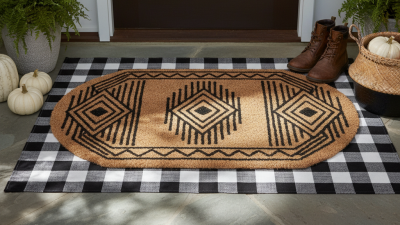
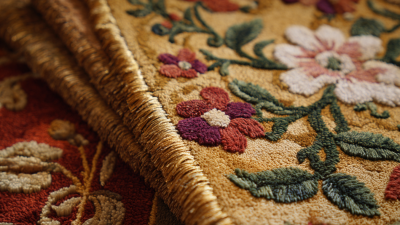
Earthy tones like terracotta and olive green are gaining popularity, resonating with the desire for nature-inspired designs. These hues complement a variety of architectural styles, from modern to rustic. While bright colors, like yellow and blue, offer a lively contrast to neutral exteriors. Patterns such as geometric shapes or floral motifs add a touch of personality, making a significant impact on first impressions.
However, not every design choice resonates well with all styles. For instance, a contemporary home might clash with overly ornate mats. Reflecting on personal style can be challenging. Reconsidering color schemes or pattern choices may be necessary to ensure cohesion. Ultimately, your mat should reflect both your home's identity and your taste, striking a balance between boldness and harmony.
When selecting door mats, consider your local climate. Different materials perform better in various weather conditions. For instance, coir mats are excellent in dry areas. They effectively trap dirt but may not hold up well in wet climates. On the other hand, rubber mats are robust and offer great durability, especially in rainy conditions. They provide a non-slip surface that ensures safety during the wet seasons.
Tip: Choose a mat with drainage holes if you live in a rainy area. This feature allows water to escape easily, preventing mold growth. If you experience extreme temperatures, like intense cold or heat, look for mats designed to withstand those conditions. Such mats often retain their shape and appearance over time.
Reflecting on personal experiences, many find that aesthetics can sometimes clash with functionality. A beautiful mat may not be effective in keeping the house clean. Striking a balance between style and practicality is crucial. Always visualize how the mat will fit into your home's entrance and what conditions it will face daily. This thought process leads to better choices for your specific environment.
Maintaining your front door mat is crucial for its longevity and overall appearance. Experts recommend regular cleaning to prevent dirt buildup. A recent study revealed that mats that are cleaned bi-weekly have a 30% longer lifespan than those that are neglected. Keeping your mat free of debris not only enhances aesthetics but also protects your floor from scratches and stains.
The material of the mat also influences its durability. Natural fibers, like coir, may require different care than synthetic options. For instance, a coir mat should be shaken out regularly and occasionally washed with a hose. Research shows that mats made from rubber last longer but may fade if left in direct sunlight. Homeowners should consider their regional climate. In areas with heavy rain or snow, quick-drying materials are essential.
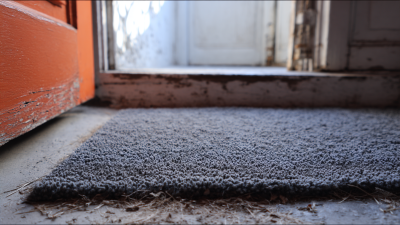
Ignoring these maintenance tips might lead to premature wear. A mat that deteriorates quickly can detract from your home's entrance. Whether it's shape, color, or odor, these can signal a need for replacement. Being attentive to your mat's condition ensures it remains a welcoming feature of your home.