2026 Best Antimicrobial Bath Mat for Your Home Needs?
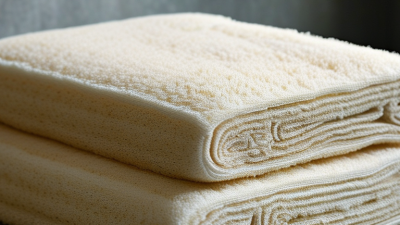
When selecting the perfect bath mat, the antimicrobial option stands out. An Antimicrobial Bath Mat not only enhances your bathroom’s aesthetic but also promotes hygiene. In 2026, advanced materials have made these mats more effective than ever. They actively resist mold and bacteria, keeping your environment safe.
Consider the everyday challenges of maintaining freshness in a damp bathroom. Traditional mats often trap moisture, leading to unpleasant odors. In contrast, antimicrobial mats dry quickly and inhibit microbial growth. They are designed to combat common household issues. This innovation ensures a cleaner and healthier space, reflecting a growing awareness of wellness in our daily lives.
Choosing the right antimicrobial bath mat is crucial for your home. Explore options that fit your decor while serving a functional purpose. By investing in a quality mat, you can improve your bathroom experience. A practical choice means prioritizing cleanliness and comfort without sacrificing style. Now is the time to rethink your bath essentials.
What to Look for in an Antimicrobial Bath Mat
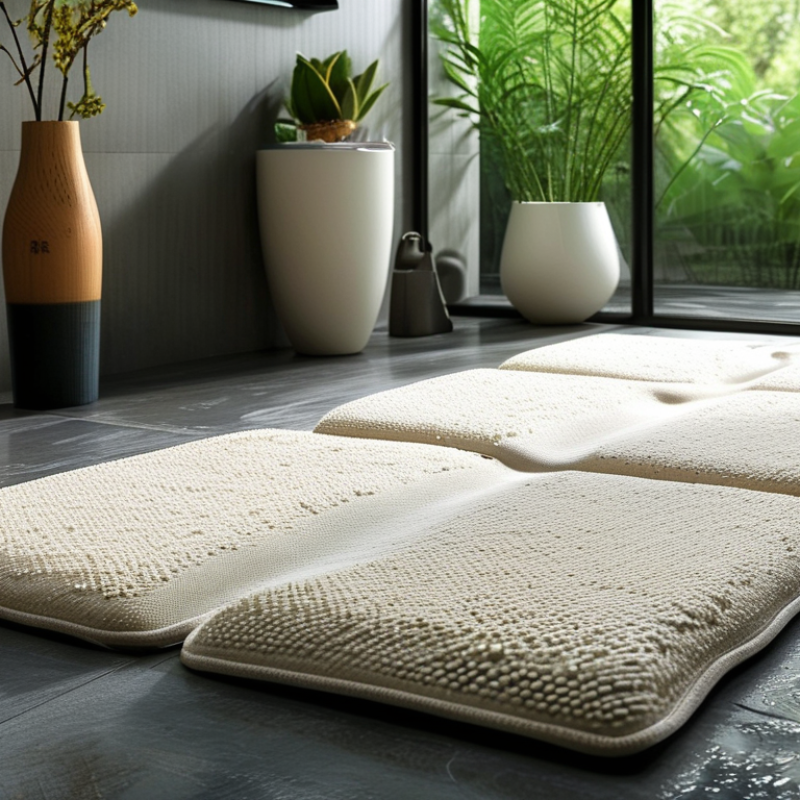
When choosing an antimicrobial bath mat, consider several key factors. First, look for materials that inhibit the growth of bacteria, mold, and mildew. Natural fibers treated with antimicrobial agents can be effective. Synthetic options, such as polyester or nylon, often provide similar benefits.
**Tips:** Examine the construction and density of the mat. A tightly woven fabric prevents moisture retention, making it harder for germs to thrive. Also, check for slip-resistant backing. Safety should always come first in wet environments.
Another essential aspect is ease of care. Select a bath mat that is machine washable. Frequent cleaning can enhance its antimicrobial properties, ensuring a healthier bathroom space.
**Tips:** Regularly inspect your mat for signs of wear. An old mat can harbor bacteria despite its antimicrobial properties. Don't ignore unpleasant odors; they may indicate underlying issues. Replace the mat if necessary to maintain hygiene standards.
Top Materials Used in Antimicrobial Bath Mats
When selecting an antimicrobial bath mat, the material plays a crucial role in its effectiveness. Common materials include
microfiber, nylon, and bamboo.
Microfiber mats are known for their high absorbency and softness. They quickly soak up moisture and dry rapidly, helping to prevent mold
and bacteria growth. However, not all microfiber is created equal. Some may wear out quickly, losing their antimicrobial properties.
Nylon is another popular choice. It’s durable and resistant to stains. Nylon mats can withstand regular cleaning without losing their shape. Yet, some users report that these can feel less plush compared to other materials.
This could affect comfort in a frequently used bathroom.
Bamboo, being eco-friendly, also offers antimicrobial properties. It has a natural resilience to moisture and bacteria.
The downside? Bamboo mats may require extra care to maintain their integrity.
Choosing the right material often comes down to personal preference and intended use.
Comfort and practicality should align with your home's needs.
Reflecting on your decision will help ensure you select a mat that truly meets your expectations.
It's a small yet significant addition to your space.
Benefits of Using Antimicrobial Bath Mats in Your Home
Antimicrobial bath mats offer several benefits that make them a valuable addition to any home.
Research indicates that over 70% of household bath mats harbor bacteria due to moisture exposure.
These mats are designed to inhibit the growth of harmful microbes, promoting a hygienic environment.
By incorporating advanced materials, these mats significantly reduce the risk of mold and mildew formation, which often complicate respiratory health.
When choosing an antimicrobial bath mat, consider its moisture-wicking properties.
These mats absorb water quickly and dry efficiently.
This feature helps maintain a less hospitable environment for germs.
Regular washing also plays a crucial role; wash your mat weekly or biweekly,
especially if you notice odors or visible mold.
Tips: For better results, place your mat in a well-ventilated area.
This practice enhances drying and further decreases microbial growth.
Additionally, selecting mats with natural fibers may improve air quality in your bathroom,
adding to their antimicrobial effectiveness. Be mindful that not all mats have the same level of protection; always look for lab-tested products.
Comparative Review of 2026's Best Antimicrobial Bath Mats
Choosing the right antimicrobial bath mat can significantly impact your home's hygiene. In 2026, several innovative options stand out. These mats are designed to resist mold and bacteria, keeping your bathroom safer. Features like quick-drying materials help minimize moisture buildup. Look for mats that encourage airflow underneath. They reduce dampness, which is key to preventing germs.
Not all mats perform equally. Some may lose their antimicrobial properties after a few washes. Quality varies, and it’s crucial to review materials used. Some mats might feel soft but offer less protection. Durability is another concern; a mat that frays quickly isn’t effective long-term. Research shows that making informed choices promotes better health at home.
Consumer feedback highlights the benefits of various designs. Many appreciate mats with textured surfaces, providing extra grip. Colors and patterns can enhance your bathroom's aesthetic appeal. However, you might find some mats slip more than expected. Balance style and functionality when making a purchase. The best antimicrobial mats can transform your bathroom into a cleaner, healthier space.
Tips for Maintaining Your Antimicrobial Bath Mat
Maintaining your antimicrobial bath mat is essential for hygiene and longevity. Regular cleaning is crucial. Wash it weekly in warm water with mild detergent to remove dirt and bacteria. This simple step prevents the buildup of mold and mildew. If your mat shows signs of wear, consider replacing it sooner rather than later.
Air drying your bath mat is ideal. Avoid direct sunlight, which can fade colors over time. When storing, roll it instead of folding it. This reduces creases that may trap moisture. Check the mat for any lingering odors or stains. If found, a quick soak in vinegar can be effective.
Pay attention to your mat’s texture and color. These can signal when it’s time for a replacement. Trust your instincts on when a mat looks and feels dirty. Sometimes, it's easy to overlook signs of wear. A good antimicrobial mat should protect your bathroom without becoming a breeding ground for bacteria.
2026 Best Antimicrobial Bath Mat Usage Trends