How to Choose the Best Outdoor Front Door Mat?
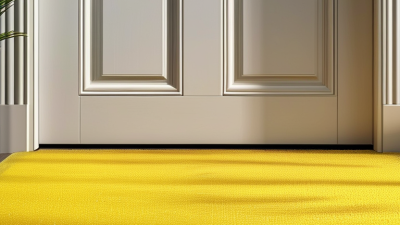
Choosing the best Front Door Mat Outdoor starts with your entrance, not a shopping list. Rainy porches need fast drainage. Dry, dusty areas need dense fibers that trap grit. A snowy doorway demands a tough, low-profile mat that will not buckle under frozen moisture. Small details matter, especially when guests wipe muddy shoes beside a pale door.
Home improvement expert Bob Vila offers a useful principle: “A doormat should work hard before it looks beautiful.” That idea guides a practical choice. Look for rubber backing, weather-resistant fibers, and enough weight to stay flat during strong winds. Coir scrapes dirt effectively, but it may shed and soften after repeated soaking. Recycled rubber handles wet conditions better, though it can feel less welcoming. No material wins everywhere.
Measure the landing area before ordering. Leave space for the door to swing freely. A mat that is too thick may catch the bottom edge. A mat that is too small may only decorate the threshold. That is an easy mistake.
Cleanability also deserves attention. Shake or vacuum the surface weekly. Rinse outdoor-safe materials when pollen and road salt build up. Let the mat dry fully before placing it back. Otherwise, trapped moisture can create odors and damage nearby flooring.
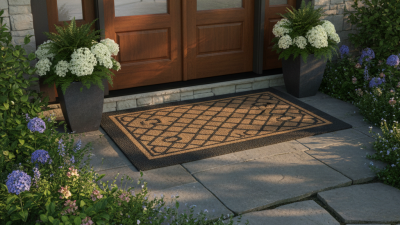
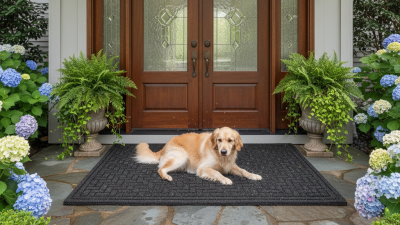
Style still matters. Charcoal hides soil, while natural brown suits brick and stone. Bright patterns show personality, but they may reveal fading sooner. The perfect Front Door Mat Outdoor may not be the most attractive one online. It is the one that matches your climate, traffic, doorway clearance, and willingness to maintain it. Even then, expectations should stay realistic. No mat catches everything.
Assess Your Outdoor Entryway and Mat Placement
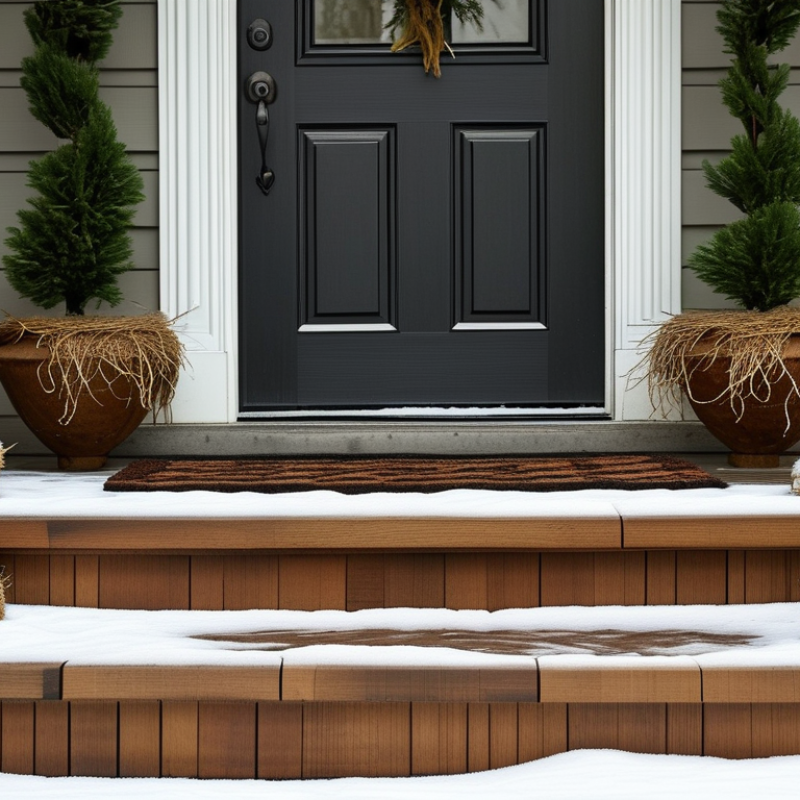
Choosing the best outdoor front door mat begins with studying your entryway, not browsing colors. Measure the door width, threshold height, and available floor space. The mat should extend beyond both sides of the door. This reduces dirt entering around the edges. Leave enough clearance for the door to open without catching the mat. A few centimeters can make a real difference.
Observe the ground after rain. Does water collect near the threshold? If so, choose a breathable mat and place it on a slightly raised, well-drained surface. Avoid positioning it where roof runoff lands directly. A wet mat can become heavy, slippery, and unpleasant. Check whether the entryway is concrete, tile, wood, or textured stone. Smooth floors may need a stable backing, while uneven surfaces require a flexible mat that sits flat.
Think about how people actually enter your home. Guests may wipe shoes quickly, while children often step across the mat. A wider placement zone gives them room to stop safely. I once placed a mat too close to an outward-swinging door, and its edge curled after repeated contact. The mistake seemed minor, but it created a tripping point. Check the corners weekly during the first month. Outdoor conditions change faster than expected. Wind, dust, and moisture may show that your original placement needs adjustment.
Choose the Right Mat Size, Shape, and Thickness
A well-chosen outdoor front door mat should fit the entrance, not merely cover empty space. Measure the door width first, then choose a mat that spans about 70–80% of it. This proportion looks balanced and gives both feet room to land. Leave enough clearance for the door to open freely. A thick mat can catch the bottom edge, especially on older doors.
Rectangular mats suit most entrances and create a clear walking path. A half-round shape works better beside curved steps or narrow porches. Thickness matters more than many shoppers expect. Low-profile mats are safer for inward-opening doors, while deeper mats can trap more soil and moisture. Look for firm backing, raised scraping fibers, and openings that help water drain. I once chose a thick mat for better cleaning, but it rubbed against the door after heavy rain. The lesson was simple: test the swing before judging the texture.
Tips: Measure twice, including the door sweep and threshold. Place a paper template outside first. Check whether the mat stays flat after bending. On rainy days, watch where water collects. If the entrance is shaded, select a material that dries quickly. A slightly smaller mat may perform better than an oversized one that curls at the edges. Retail measurements can also vary, so confirm the actual dimensions before buying.
How to Choose the Best Outdoor Front Door Mat?
Choose the right mat size, shape, and thickness for your entrance.
A front door mat should be wide enough to cover the main walking path and deep enough for at least two steps.
A 30-inch mat generally suits a standard single doorway, while wider entrances benefit from 36-inch or 48–60-inch mats.
Low-profile mats around 1/4 inch thick are practical for doors that swing inward, whereas thicker mats provide more dirt-trapping capacity but require additional clearance.
Compare Materials for Weather Resistance and Durability
Choosing the best outdoor front door mat starts with its material, not its appearance. Weather can expose weak fibers quickly. Rain, sunlight, mud, and freezing temperatures all test a mat’s construction.
Coir mats offer stiff, natural fibers that scrape dirt from shoe soles effectively. However, they absorb moisture and may shed fibers after repeated rain.
Rubber mats resist water, frost, and heavy foot traffic well. Their raised patterns can improve drainage, though some rubber surfaces become hot under strong sunlight.
Polypropylene and nylon mats usually dry faster and resist fading. They feel softer than coir, but cheaper versions may flatten sooner.
I once chose a thick mat without checking drainage. It stayed damp underneath and marked the porch. That mistake changed how I compare mats.
Tips:
Look for a textured surface, a non-slip backing, and open drainage channels. Measure the doorway before buying. Leave enough clearance for the door to swing freely. In wet climates, choose rubber or quick-drying synthetic fibers. In dry areas, coir can work well with regular shaking. Check the backing every few months. A cracked backing can become slippery, even when the top still looks usable.
No material is perfect. The best choice depends on moisture, sunlight, traffic, and cleaning habits.
Select a Surface Texture for Effective Dirt Removal
A good outdoor front door mat should remove dirt before it reaches your hallway. Surface texture matters more than appearance. Coarse, raised fibers scrape mud from shoe soles effectively. They also catch small stones and dry soil. I prefer textures with firm ridges or angled bristles because they contact the tread grooves. A flat, soft surface often looks neat but leaves dirt behind.
Consider the local weather and your entrance surface. In rainy areas, choose a mat with open channels that let water escape. Dense loops can hold moisture and develop an unpleasant smell if they dry slowly. For dusty conditions, a rough woven texture may work better. It shakes loose debris when people wipe their feet. Leave enough space for two full steps.
Test the mat with the shoes your household actually wears. Work boots need stronger scraping points than lightweight sneakers. Watch how the texture behaves after several wet days. Some aggressive fibers remove dirt well but feel uncomfortable under bare feet. That trade-off is easy to overlook. I once favored the roughest design, then noticed it trapped leaves around the doorway. Regular shaking and brushing restored its performance, but the choice was not as practical as expected. A useful mat should clean shoes without becoming another difficult chore.