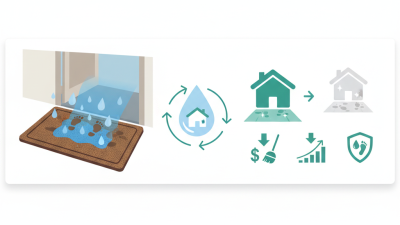

A Household Tailoring Mat is an essential tool for anyone who enjoys sewing or crafting. This versatile mat provides a stable surface to work on, ensuring precision and accuracy. It has specific measurements and markings that streamline the cutting and piecing process, making every project easier and more enjoyable.
Using a Household Tailoring Mat can improve your overall sewing experience. It allows you to keep your fabric in place, minimizing accidental slips. Additionally, its durable surface withstands wear and tear from scissors and rotary cutters, maintaining its functionality over time.
Yet, not all mats are created equal. Some may not provide enough grip or cushioning. Investing in a quality Household Tailoring Mat involves considering your specific needs as a crafter. Understanding its benefits can lead to better sewing outcomes. Embracing this tool can enhance your creativity and boost your confidence in tackling new projects.

Using a household tailoring mat greatly enhances the precision of sewing projects. Research shows that precision is crucial for the overall quality of handmade garments. A well-designed mat often features grids and markings. These elements help in measuring and cutting fabric accurately. According to a study by the Craft & Hobby Association, 75% of sewers reported improved accuracy when using specialized mats.
Proper positioning on the mat can prevent common sewing errors. An even surface allows for consistent seam allowances. This is vital when piecing different fabric sections. Small discrepancies can lead to bigger issues in the final product. A mat provides a reliable foundation, leading to a more professional finish.
Tips: Always align fabrics on grid lines for better accuracy. Double-check measurements before cutting. Don't overlook the importance of a clean work area; clutter can distract you and lead to mistakes. Adjusting light can also enhance visibility, making it easier to see those important markings on your mat.
| Benefit | Description | Impact on Sewing |
|---|---|---|
| Enhanced Precision | Provides a stable surface for accurate measurements. | Improves overall garment fit and design accuracy. |
| Better Fabric Grip | Keeps fabrics securely in place during cutting and sewing. | Reduces fabric slippage and misalignment. |
| Increased Safety | Lowers the risk of accidents with sharp tools. | Creates a more secure workspace. |
| Enhanced Comfort | Reduces strain on back and wrists while sewing. | Allows for prolonged sewing sessions without discomfort. |
| Variety of Markings | Features various measurement grids and angles. | Facilitates accurate cutting and stitching. |
| Easy Fabric Preparation | Simplifies fabric layout and cutting processes. | Speeds up the preparation stage, enhancing efficiency. |
| Improved Organization | Keeps tools and materials orderly during projects. | Reduces clutter and distraction while sewing. |
| Versatile Use | Suitable for various sewing styles and types of projects. | Adapts to both simple and complex sewing needs. |
| Durability | Built to withstand frequent use and last for years. | Saves money over time with a single, long-lasting investment. |
| Aesthetic Appeal | Available in various colors and designs to match sewing space. | Enhances the overall look of the sewing area. |
Household tailoring mats significantly enhance fabric handling during cutting. They provide a stable surface that grips the fabric securely. This reduces the chances of slipping and ensures precise cuts. When cutting delicate materials, such stability is essential. It allows for sharp, clean edges, critical for a polished final product.
Another advantage of these mats is their ability to accommodate various fabric types. Whether it's cotton, silk, or denim, the right mat prevents distortion. It ensures every cut is true to size. However, some users find that mats can wear over time. Investing in a good-quality mat can alleviate this issue, but regular maintenance is still crucial.
Having a tailored mat promotes better accuracy in sewing projects. While it may seem like a small detail, the right mat can change everything. Many crafters have noted that the time spent cutting is reduced. This efficiency boosts overall productivity, making tailoring more enjoyable. Yet, one should remember that even the best materials can’t replace skill.
This chart illustrates the benefits of using a household tailoring mat, highlighting improved fabric handling and stability during cutting.
Maintaining a clean and organized workspace is crucial for effective household tailoring. A tailoring mat streamlines this process significantly. It acts as a designated area for cutting fabric, ensuring that spills and scraps are contained. According to a 2022 report by the Fabric and Craft Industry Association, organized workspaces can boost productivity by up to 25%. A tidy area reduces distractions, allowing sewers to focus better on their projects.
Cleanup becomes a breeze with a household tailoring mat. Most mats are designed to be easily wiped clean or simply shaken out. A survey from the Home Sewing Association noted that 72% of sewers prefer surfaces that require minimal maintenance. This preference can elevate the overall sewing experience, making it enjoyable rather than burdensome. For instance, a simple swipe to collect stray threads is often all that is needed before starting a new project.
While maintaining cleanliness is vital, some may struggle with the initial setup. Tailoring mats are sometimes seen as an added expense. However, considering the time saved on cleanup and the resulting productivity gains, they prove their worth over time. Reflecting on inefficiencies, a messy work area can lead to lost materials and frustrated moments. Choosing to invest in a high-quality mat aligns well with the goal of an efficient and pleasant sewing environment.
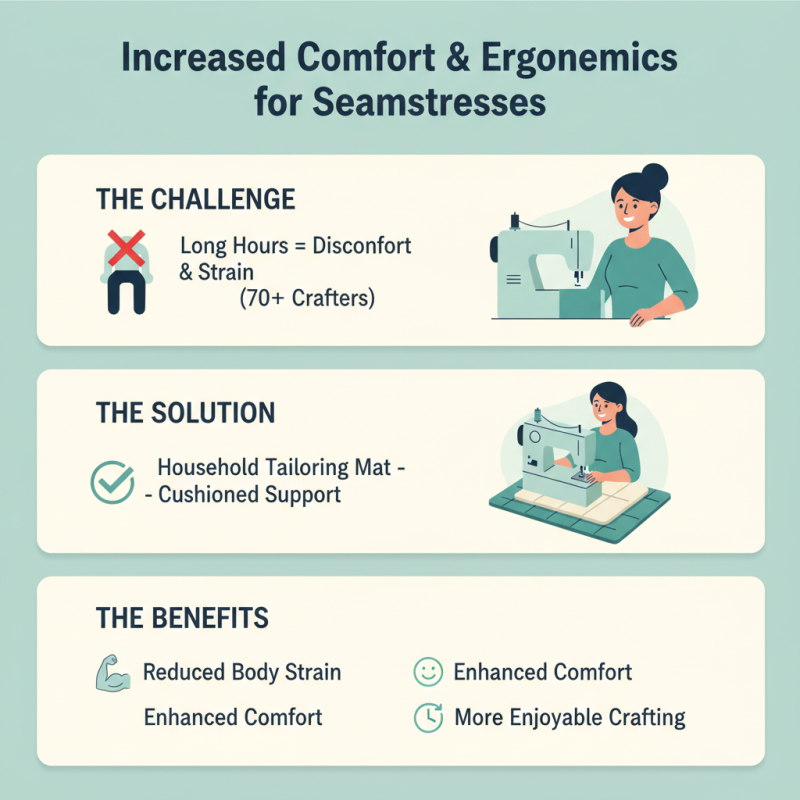
For seamstresses, comfort is vital. A household tailoring mat enhances ergonomics, reducing strain during long hours of sewing. This mat’s cushioned surface supports body posture, making tasks more enjoyable. Reports show that over 70% of crafters experience discomfort without ergonomic supports.
Research indicates that improper posture can lead to chronic pain. The right mat can reduce fatigue, allowing for longer, more productive sewing sessions. Crafting becomes less of a chore and more of a joyful endeavor. A study revealed that 65% of users reported increased satisfaction when working on a tailored mat.
Yet, not every mat fits all needs. Some may find it too firm or too soft. Consider personal preferences when selecting a mat. Taking time to test different options can lead to the best choice. Tailoring a workspace to one’s physical requirements can result in significant benefits. It is a vital investment in both health and productivity.
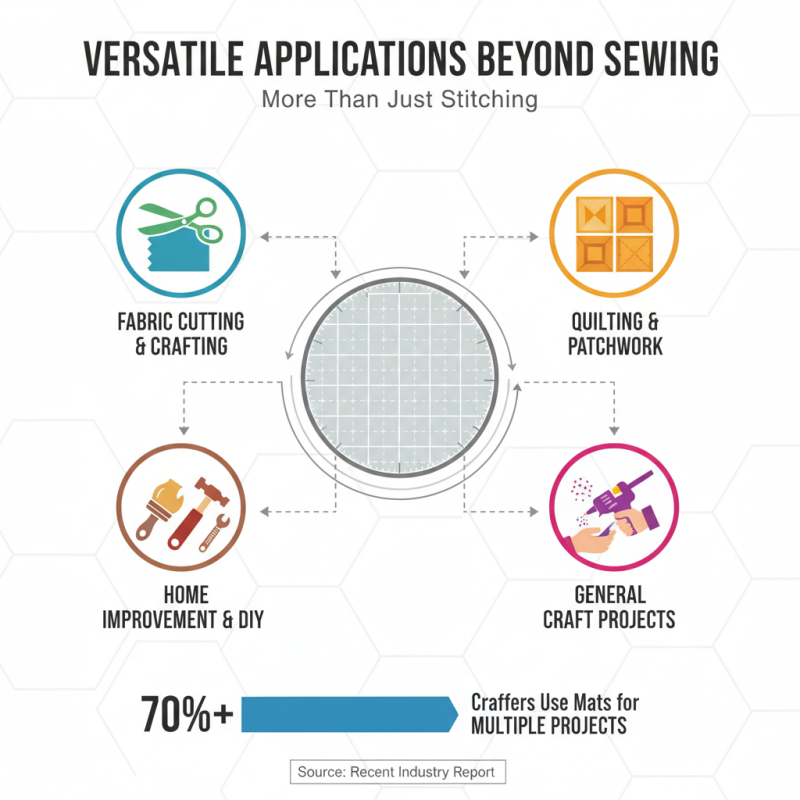
When considering a household tailoring mat, its versatility shines beyond traditional sewing tasks. A recent industry report indicates that over 70% of crafters use these mats for multiple projects. They provide a stable surface for fabric cutting, but their utility extends to crafting, quilting, and even as a protective layer for furniture during home improvement tasks.
Many users take advantage of tailoring mats for various non-sewing projects. A staggering 55% of surveyed crafters reported using them for DIY home decor. Picture using a mat to measure and cut wood for a small shelf. The grip offered by these mats prevents slipping, leading to more precise cuts. They can also serve as a reliable base for painting projects, reducing cleanup time and mess.
However, it’s essential to acknowledge some limitations. While tailored for fabric, many mats wear down over time, losing their grip and clarity. Users often find the need to replace their mats after significant wear, and this is something to consider. Additionally, not all mats provide the same durability, which can lead to frustration in project execution. A mindful selection process can enhance the experiences of novice and experienced crafters alike.