How to Choose the Best Double Door Welcome Mat?
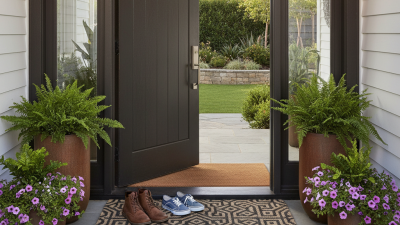
Choosing the right Double Door Welcome Mat starts with the space outside your home. Measure the doorway carefully, including the frame, threshold, and nearby walls. A mat that looks generous online may feel cramped in person. This small mistake happens often.
Material matters as much as appearance. Coir offers a firm, natural surface for scraping shoes. Rubber-backed designs provide better grip on smooth porches. Synthetic fibers can dry faster after rain. However, no material performs perfectly in every climate. A shaded entrance may need different care than a sunny doorway.
Think about daily use before choosing a pattern. Busy households need strong edges and easy cleaning. Homes with pets may benefit from dense, low-shedding fibers. In wet regions, drainage and slip resistance deserve close attention. Check the manufacturer’s care instructions and product measurements. Reliable details are more valuable than attractive photographs.
Style should support the entrance, not overpower it. Neutral colors hide ordinary dust, while darker patterns can show pale debris. Personal taste still matters. Your doorway should feel welcoming.
This guide examines size, construction, weather resistance, maintenance, and visual balance. It also considers practical lessons from real entrances. Some recommendations may need adjustment. Every porch has different traffic, moisture, and sunlight. The best Double Door Welcome Mat is the one that fits those conditions honestly.
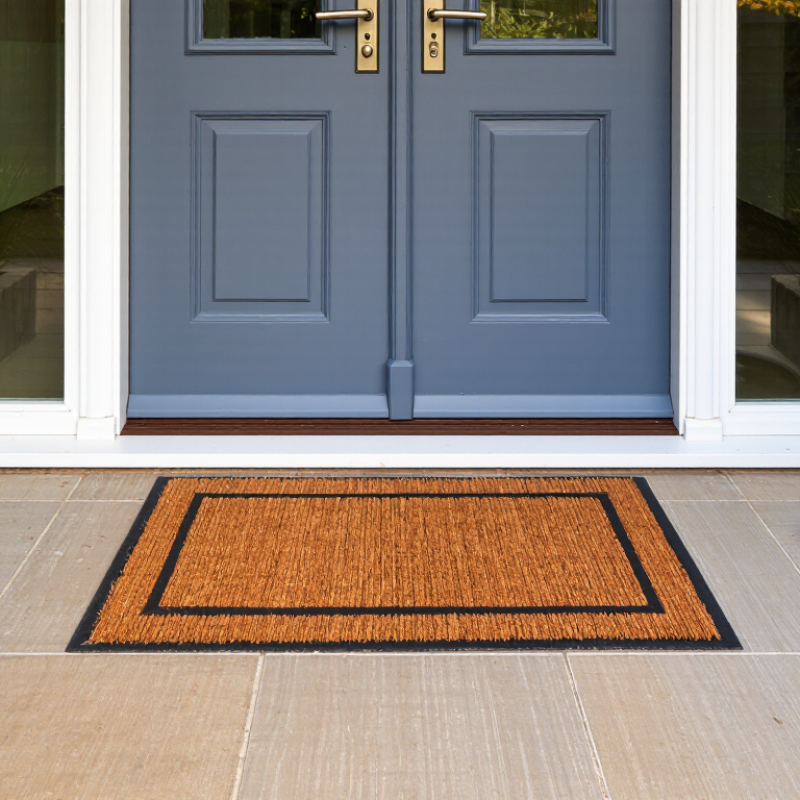
Define Your Double Door Entryway and Mat Requirements
How to Choose the Best Double Door Welcome Mat?
Define Your Double Door Entryway and Mat Requirements
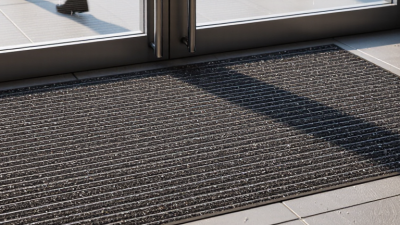
Measure the full entryway before choosing a double door welcome mat. Record the doorway width, threshold height, swing direction, and available floor depth. A mat should cover both doors without blocking them. The Carpet and Rug Institute’s Carpet Maintenance Guidelines recommend walk-off mats at entrances because they capture soil before it reaches interior flooring. However, bigger is not always better. A thick mat can catch doors, while a narrow one leaves a dirty center path.
Think about traffic, weather, and flooring. The ISSA cleaning industry estimates that footwear can bring in up to 85% of indoor soil. That figure is widely cited, but conditions vary by building and season. A practical choice combines scraping fibers outside with absorbent fibers inside. For wet climates, select a backing that resists movement and dries reasonably quickly. For smooth tile, stability matters more than decorative texture. ADA 2010 Standards also call for floor surfaces to remain firm, stable, and slip-resistant.
Tips: Leave a small clearance around each door. Test the mat with both doors open. Choose a low-profile edge. Clean it more often during rain or snow. Honestly, I once focused too much on appearance. The mat looked perfect, yet its center missed the busiest footpath. Recheck the traffic pattern after installation. Real use can challenge a careful measurement.
Sources: The Carpet and Rug Institute, Carpet Maintenance Guidelines; ISSA, cleaning-industry entrance-soil guidance; U.S. Department of Justice, 2010 ADA Standards for Accessible Design.
Choose the Right Welcome Mat Size and Door Coverage
How to Choose the Best Double Door Welcome Mat?
Choose the Right Welcome Mat Size and Door Coverage
A double door needs a mat that matches the entire entry, not just one door panel. Measure both door widths together, then include the frame and any narrow sidelights. For many double doors, a mat between 60 and 72 inches wide provides balanced coverage. Leave a small visual margin when possible. A mat that stops halfway across the entrance can look oddly undersized.
Depth matters just as much as width. Choose at least 24 inches from the threshold outward, allowing two comfortable footsteps. A 30-inch depth usually offers better protection during wet weather. Check the door swing before buying. The mat must sit flat without catching beneath the doors. Measure the threshold height, too. A thick mat may create an annoying bump.
Look at the surrounding space before deciding. Stone steps, porch rails, and wall edges can reduce the usable area. Center the mat on the doorway, unless the walkway approaches from one side. In that case, slight adjustment may improve daily foot placement. It is easy to trust standard dimensions, but real entrances are rarely perfect. Recheck your measurements after placing tape on the floor. The taped outline may reveal that a large mat feels crowded. Personally, I would rather accept a small uncovered edge than block the door swing.
How to Choose the Best Double Door Welcome Mat? — Choose the Right Welcome Mat Size and Door Coverage
| Double-Door Opening Width |
Approx. Door Configuration |
Recommended Mat Width |
Mat Width in Centimeters |
Side Coverage Beyond Opening |
Recommended Mat Depth |
Doorway Coverage |
Best Use Case |
| 60 in |
Two 30 in door leaves |
72 in W × 24 in D |
182.9 cm W × 61.0 cm D |
6 in per side |
24 in / 61.0 cm |
120% of opening width |
A balanced choice for a standard compact double-door entrance. |
| 60 in |
Two 30 in door leaves |
60 in W × 18 in D |
152.4 cm W × 45.7 cm D |
Flush with the opening |
18 in / 45.7 cm |
100% of opening width |
Suitable when porch space is limited; provides full side-to-side coverage. |
| 72 in |
Two 36 in door leaves |
84 in W × 24 in D |
213.4 cm W × 61.0 cm D |
6 in per side |
24 in / 61.0 cm |
116.7% of opening width |
A practical option for most wide residential double-door entrances. |
| 72 in |
Two 36 in door leaves |
96 in W × 30 in D |
243.8 cm W × 76.2 cm D |
12 in per side |
30 in / 76.2 cm |
133.3% of opening width |
Best for a spacious porch where extra framing and visual balance are desired. |
| 84 in |
Two 42 in door leaves |
96 in W × 30 in D |
243.8 cm W × 76.2 cm D |
6 in per side |
30 in / 76.2 cm |
114.3% of opening width |
A proportional choice for a grand or oversized double-door entry. |
| 84 in |
Two 42 in door leaves |
84 in W × 24 in D |
213.4 cm W × 61.0 cm D |
Flush with the opening |
24 in / 61.0 cm |
100% of opening width |
Useful when the mat must fit within a defined porch or threshold area. |
| Custom opening |
Any double-door configuration |
Opening width + 4–12 in |
Opening width + 10.2–30.5 cm |
2–6 in per side |
18–30 in / 45.7–76.2 cm |
Approximately 106–120% |
Measure the actual clear opening and select a mat that does not block the door swing. |
|
Measurement guide: Measure the clear space from the left edge to the right edge of the double-door opening. A mat that extends about 2–6 inches beyond each side usually creates balanced coverage, while an 18–24 inch depth suits limited spaces and a 30 inch depth provides a more generous wiping area. Always verify threshold height, door swing, nearby walls, steps, and porch clearance before purchasing.
|
Compare Mat Materials for Durability and Weather Resistance
How to Choose the Best Double Door Welcome Mat?
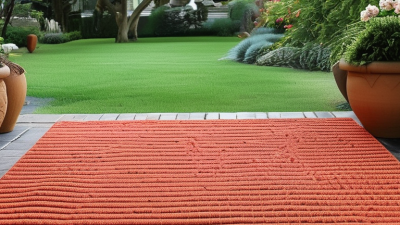
A double door needs a mat wide enough to protect both entry paths. Measure the doorway and surrounding trim twice. Small measuring errors happen. Coir offers a natural, rough surface that scrapes soil from shoes effectively. It suits covered porches and dry climates. However, coir absorbs water and may develop mildew when left in constant rain. Its fibers can also shed over time.
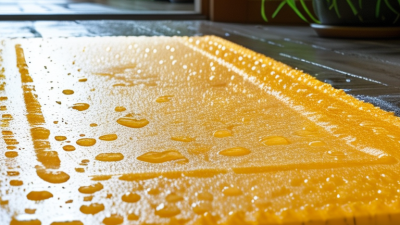
Rubber performs better in wet, snowy, and high-traffic areas. It resists water, stays flexible, and usually holds its shape through seasonal changes. A textured rubber surface improves grip, but smooth rubber can become slippery when wet. Check the underside, too. A fully sealed backing may trap water against wood or tile flooring. Drainage channels are more practical for exposed entrances.
Polypropylene dries quickly and resists fading, stains, and moderate outdoor exposure. Its fibers feel less aggressive than coir, so heavy mud may need a second cleaning step. That is not a serious flaw, but it changes daily maintenance. For a double door, choose a low-profile mat with reinforced edges, especially where the door sweeps across it.
I once preferred a thick mat for extra comfort, then found the door caught on it after rain. A thinner design worked better. Weather resistance depends on placement, drainage, cleaning, and local conditions—not material alone.
Select the Best Mat Based on Budget and Entryway Style
How to Choose the Best Double Door Welcome Mat?
Select the Best Mat Based on Budget and Entryway Style
A double door entry needs more coverage than a standard entrance. Measure the full doorway width, then leave a small border on both sides. A mat around 60 to 72 inches wide often fits well, but door swing matters more than appearance. Check the clearance underneath each door. A thick mat can catch and curl.
Budget should guide material choices. Coir offers a natural, textured look and scrapes dirt effectively. Synthetic fibers usually cost less and handle damp weather better. Rubber-backed mats improve grip, especially on polished stone or smooth tile. However, some backing materials may stain delicate flooring. Check the floor manufacturer’s care advice before buying.
Tips: Match the mat’s color with your entryway, not just your front door. Neutral shades hide dust, while darker patterns conceal muddy footprints. For a modern entrance, choose clean lines and a low-profile design. Traditional spaces can handle borders or woven textures. I once chose style over thickness, and the mat shifted after rain. That mistake taught me to test the backing, not merely admire the surface. Brush off loose dirt weekly, and dry the mat fully after heavy weather. No mat lasts well when moisture stays trapped underneath.