
• page_banner

10 Best Double Door Outdoor Mats for Every Entryway

A double-door entrance needs a mat that looks balanced and works hard. The right Double Door Outdoor Mat can catch grit, absorb light moisture, and give visitors a steadier place to pause. It should also fit the doorway without blocking either door or creating a curled edge. Small details matter. A few inches can change the whole fit.

This guide looks at ten outdoor mats for different entryways, budgets, and routines. It considers width, thickness, surface texture, backing, and how easily each mat can be cleaned. Coir can scrape away stubborn dirt, while rubber and synthetic fibers may suit wetter or busier entrances. No material is perfect. Some mats hold debris well but need frequent shaking; others rinse clean yet may feel less substantial underfoot.

Before choosing, measure the space between the door frames and check the clearance beneath both doors. Think about rain exposure, sunlight, and the kind of dirt tracked inside. A mat that works on a covered porch may not perform as well in an open, windy spot. That distinction is easy to miss. Product descriptions can help, but dimensions and care instructions deserve a close look. The picks ahead offer practical comparisons, not a universal winner, so you can choose a mat that suits your entryway and daily use.
10 Best Double Door Outdoor Mats for Every Entryway

What Defines a Double Door Outdoor Mat?

A double door outdoor mat is a wide entry mat designed to cover the shared approach to two doors. It should catch dirt from both walking paths, not just sit neatly in the middle. Measure the full doorway span, including trim, and leave room for the doors to swing. Small detail, big difference.

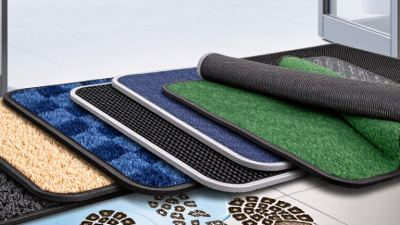
Material affects how the mat performs. Coir or stiff synthetic fibers can scrape away dry soil, while a textured rubber backing helps limit sliding on smooth paving. In rainy areas, drainage matters; water trapped beneath a mat may stain some surfaces or keep the underside damp. Check the product’s care instructions, since outdoor materials still need occasional cleaning. Grip matters.

Height is easy to overlook. A thick mat may catch a door edge, especially where the threshold sits low. Open both doors before choosing, and check that the mat lies flat without curling at the corners. A very wide mat can look balanced in a product photo but feel awkward beside narrow steps. The right size depends on the entry, not just the label.

Key Features That Improve Coverage and Entryway Safety

A double-door entrance needs more than a mat that looks wide. Measure both door swings and the walking path, then choose a mat that covers the space where people actually step. Leave enough clearance for doors to open without catching the edge. A low, beveled profile can reduce toe-catching, while a nonslip backing helps keep the mat steady on a dry, clean surface. Still, backing alone is not a guarantee.

Surface texture matters. Coarse fibers can scrape grit from shoe soles; a textured rubber border can help contain damp debris. Look for drainage openings if rain is common, and check that the mat lies flat after cleaning. CDC’s Older Adult Falls data reports that more than one in four adults aged 65 and older falls each year. That figure does not measure mat performance, but it underlines why stable footing deserves attention. Small details count.

For a shared entry, test the mat with the doors fully open and closed. Walk across it in wet-weather shoes, then inspect the edges for curling or trapped water. Replace a mat that shifts or stays slick. I would not assume a heavier mat is automatically safer; the floor underneath matters, too. A little gap can remain, especially on uneven thresholds, so check the fit after installation.

10 Best Double Door Outdoor Mats for Every Entryway - Key Features That Improve Coverage and Entryway Safety

# Mat Type Suggested Size (W × D) Typical Material Coverage and Cleaning Entryway Safety Considerations Best For
1 Wide rubber mat 48 × 30 in Molded rubber A broad, easy-to-rinse surface for wiping shoes at a shared entrance. A heavy mat is less likely to shift than a lightweight one; check that it lies flat and does not obstruct the door. High-traffic double doors and rainy climates.
2 Coir-and-rubber mat 48 × 30 in Coir fiber with rubber backing or border Coir bristles help scrape dirt from shoe soles; shake or brush clean. Coir can shed, especially when new. Use on a firm, level surface and keep the mat dry enough to avoid a slick, damp entry area. Covered porches and entrances where scraping performance matters.
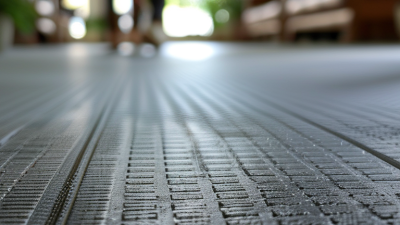
3 Drainage-hole rubber mat 48 × 30 in Open-grid or perforated rubber Openings let water and debris pass through; lift the mat to clear the surface underneath. Choose a stable, nonslip installation area and make sure the mat sits flush without curled edges. Wet or muddy entrances that need drainage.
4 Low-profile ribbed mat 48 × 30 in Rubber or weather-resistant PVC Raised ribs help catch surface dirt; a low profile is easier to sweep or hose off. A thinner edge can reduce a trip point, but verify clearance with the door swing and threshold. Doorways with limited clearance.
5 Wide coir scraper mat 48 × 24 in Natural coir fiber, often with a rubber or PVC backing Firm fibers scrape dry dirt from footwear; shake out or brush away collected debris. Coir fibers may loosen over time; inspect the edges and keep the mat from becoming a moisture hazard. Covered entrances and moderate foot traffic.
6 Brush-style scraper mat 48 × 30 in Polypropylene bristles with a rubber or PVC base Separated bristles collect grit between them; shake or rinse the mat to remove debris. Check that the base grips the floor and that the bristles do not create an uneven walking surface. Entrances exposed to dry soil, grit, or lawn debris.
7 Water-absorbing textile mat 48 × 30 in Polyester or polypropylene pile with a nonslip-style backing Pile absorbs surface moisture and can trap fine dirt; follow care instructions for washing and drying. Keep the backing and floor clean and dry; damp mats may move more easily on some surfaces. Sheltered entries where moisture absorption is useful.
8 Large-format entry mat 60 × 36 in Rubber, coir, or synthetic fiber, depending on construction Extra width and depth create a larger landing area; confirm the size fits the porch and door swing. A larger mat can cover more walking space, but must not block the threshold, steps, or accessible route. Wide double doors and spacious porches.
9 Interlocking modular rubber tiles About 48 × 24 in when assembled; depends on tile size and layout Molded rubber tiles Individual sections can be rearranged or replaced; lift sections to clean below them. Connect the sections securely and check periodically for separation, curled edges, or movement. Entrances needing a customizable footprint.
10 Scraper-and-wiper combination mat 48 × 30 in Textured synthetic fibers with a rubber or PVC backing Textured areas scrape debris while pile helps wipe moisture; vacuum, shake, or rinse according to care instructions. Look for flat edges and a backing suited to the floor surface; keep the mat clean to maintain contact with the ground. Entrances that encounter both dirt and light moisture.

Sizes are suggested coverage examples, not guaranteed product dimensions. Measure the available landing area, check door clearance, and follow the mat maker’s care and installation instructions.

Common Materials and Their Outdoor Performance

Coir mats feel firm under muddy shoes and trap grit well, but their plant fibers absorb water. After a storm, a shaded porch can keep coir damp, causing slow drying and a musty smell. Polypropylene is less absorbent, so it suits exposed doorways where rain regularly blows in. Its fibers can flatten with heavy foot traffic, though. There is no perfect material.

Rubber-backed mats grip smooth concrete, but trapped moisture beneath them may stain some surfaces. Check the backing and lift the mat periodically. ASTM D3884-21 measures textile abrasion resistance using abrasive wheels; it does not predict years of outdoor service. For colorfastness, AATCC TM16.3 uses xenon-arc light exposure, a useful clue for comparing test results rather than a guarantee of porch performance. Sun exposure matters: the U.S. Environmental Protection Agency classifies UV Index readings of 6–7 as high and 8–10 as very high. A sunny entry can fade dyed fibers faster. Polyester offers a practical middle ground for color retention and drying, but weave density and drainage still matter. I would check the underside after wet weather; small design details often matter more than a material label.

How to Choose a Mat for Your Entryway’s Size and Conditions

A double door needs a mat that fits the opening, not just the space in front of it. Measure the full width of both doors, then check how far they swing outward. Leave enough clearance so the mat does not catch beneath the door edges. For a broad entry, a narrow mat can look oddly undersized and miss muddy footprints near the sides. A longer mat gives guests more steps to wipe their shoes, but it should not block the threshold or create a raised edge. Measure twice. It is easy to misjudge the door sweep, especially when the entry has uneven paving.

Consider the weather and the surface beneath the mat. In a rainy spot, choose a design that allows water to drain and has a backing suited to wet conditions. For dusty paths, a firm, textured surface can help loosen grit from shoe soles. Direct sun may fade some materials, while leaf litter can collect in deep grooves. Check how easily the mat can be lifted and cleaned; a heavy mat may stay put, but it can be awkward to shake out. One detail people sometimes overlook is the step itself. A mat that feels stable on a flat porch may shift on sloped stone.

Tips: Trace the open-door arc with chalk, then place a temporary mat inside it. Test the swing before buying. Recheck after rain, since puddles reveal drainage problems quickly.

Ten Double Door Outdoor Mats for Different Entryway Needs

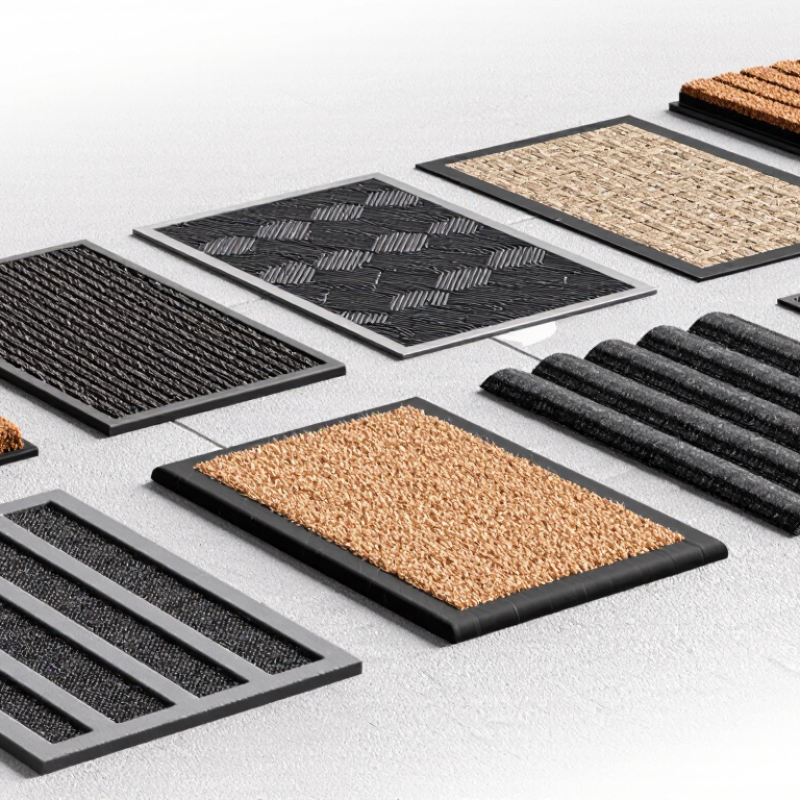
A double-door entrance needs a mat wide enough to welcome both doors, not just the busiest side. Measure the clear space and check door clearance before buying. Measure twice. A broad coir mat traps dry soil with stiff natural fibers, though it may shed after heavy use. A molded rubber mat handles rain well and stays put on many hard surfaces. A coir-and-rubber design combines scraping texture with a grippy base. A recycled-PET mat offers a softer woven surface and is often easier to shake clean.

For muddy paths, a raised-ridge scraper mat catches clumps before they reach the threshold. A polypropylene mat dries quickly and resists everyday moisture, but fine grit can lodge in its weave. A drainage-lattice rubber mat lets water pass through instead of pooling underneath. A low-profile outdoor mat suits doors that swing close to the floor. Check the edge height in person if possible. Tiny clearance differences matter.

A generously sized woven mat creates one continuous landing for both doors, while two matching smaller mats let each entrance stay separate. Choose a UV-resistant outdoor weave for a sunny porch; darker colors can hide dirt, but may show dust. For a sheltered entry, a softer textured mat may feel more inviting. No option is perfect. Inspect stitching, backing, and stated cleaning instructions, then brush or rinse the mat regularly so grit does not turn its surface slick.

Double Door Outdoor Mat Sizes for Different Entryways

Compare example mat footprints by width. Measure your doorway and available landing space before choosing a mat; leave room for the door to swing freely.