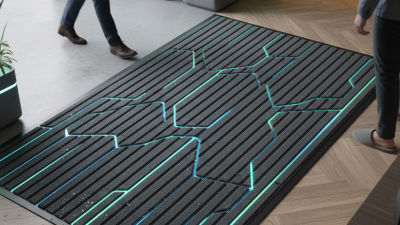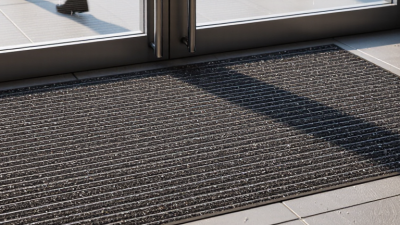

Global buyers are entering 2026 with stricter expectations for safety, durability, and responsible sourcing. Industry reports support this shift. Grand View Research identifies commercial flooring as a market shaped by renovation, hygiene, and higher-performance material demand. Fortune Business Insights also highlights rubber flooring’s resilience, slip resistance, and suitability for busy facilities. These findings give the Double-Ribbed Floor Mat a practical position in entrances, workshops, retail stores, kitchens, and transport areas.
Its raised ribs create channels for water, dust, and light debris. That detail matters on a rainy loading dock or beside a wet supermarket entrance. Rubber versions often provide strong traction, while PVC and recycled blends can reduce weight and procurement costs. However, performance depends on rib depth, backing stability, edge design, temperature range, and cleaning routines. A thick mat is not automatically a better mat.
This 2026 guide compares the top Double-Ribbed Floor Mat types for global buyers. It considers material quality, drainage performance, wear resistance, odor control, customization, packaging, and supply consistency. Buyers should also review technical datasheets, test methods, and certificates before placing large orders. ISO 9001 quality systems may support process reliability, but certification alone cannot prove field performance. Ask for samples.
Small details decide results.
A mat that curls after one cold season creates a trip risk and replacement cost. Some product claims also sound stronger than the available evidence. That deserves careful review. The best choice balances site conditions, traffic intensity, maintenance labor, and total cost over service life, rather than relying on appearance or price alone.
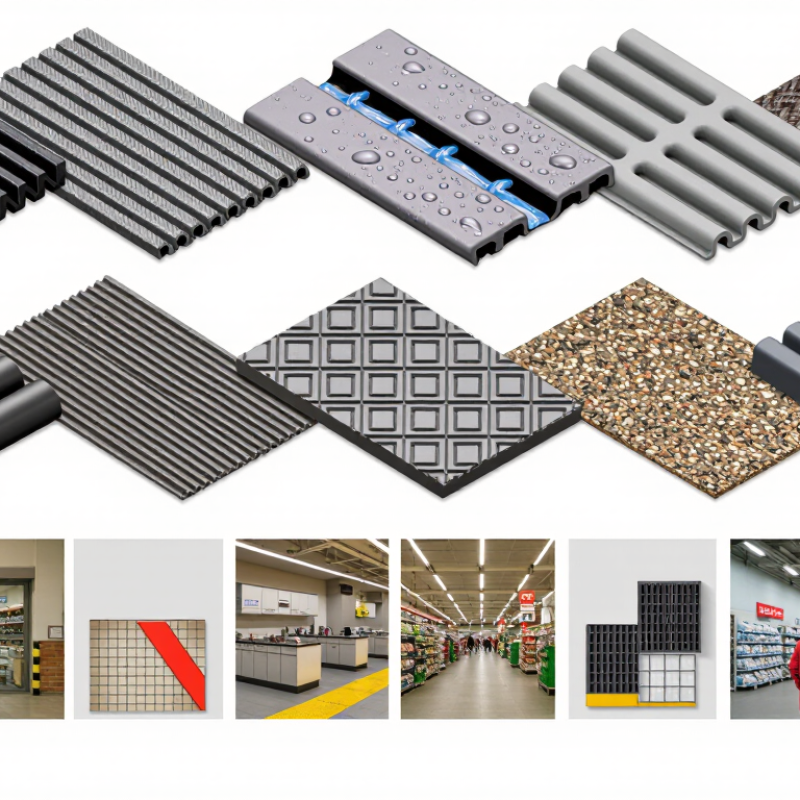
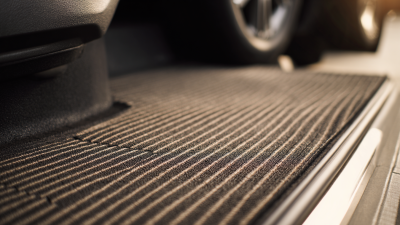
In 2026, a double ribbed floor mat is defined by function, not appearance alone. It usually has two raised rib patterns running across its surface. These ribs guide water, dust, sand, and small stones into deeper channels. The design should also include a stable backing, raised edges, and accurate floor coverage. Without these features, “double ribbed” may be only a sales phrase.
From practical product evaluations, the best mats balance grip, flexibility, and cleaning speed. Rubber, TPE, and similar materials can provide useful resilience in cold or wet conditions. The surface should resist curling after storage and remain stable under frequent foot pressure. For global buyers, drainage performance matters in rainy regions, while dust release matters in dry climates. A textured underside is also important. Smooth backing can slide on polished floors.
Small details reveal quality. A good mat lies flat after unrolling. It should not produce a strong chemical odor or leave residue on the floor. Buyers should check thickness, rib depth, edge height, and temperature resistance before placing large orders. Packaging also needs review, because tightly folded mats may develop permanent bends. The definition is not perfect. Some attractive designs clean poorly, while heavier mats can be harder to handle. That trade-off deserves honest testing.
Double ribbed floor mats use parallel raised channels to scrape shoes and hold loose moisture. Their structure suits entrances, corridors, workshops, and service areas. Selection should follow the location, not appearance alone.
Molded rubber double ribbed mats work well at building entrances. They resist frequent foot traffic and remain stable near doorways. Their deep ribs can catch sand, leaves, and small stones. However, rubber may release a noticeable odor when newly unpacked. Ventilation helps.
PVC double ribbed mats are lighter and easier to move. They fit offices, retail aisles, and indoor corridors where routine cleaning matters. Softer PVC can feel comfortable, but it may flatten faster under heavy carts.
Drainage-style double ribbed mats suit kitchens, washrooms, pools, and covered outdoor areas. Raised channels allow water to move beneath the walking surface. Open edges still need regular cleaning. Otherwise, trapped dirt can become slippery.
Heavy-duty industrial versions often use thicker rubber and reinforced backing. They support workshops, loading zones, and entrances exposed to grease or metal dust.
Yet, extra thickness can create a trip risk if the surrounding floor is uneven.
During purchasing checks, buyers should compare rib height, mat thickness, backing grip, cleaning method, and temperature tolerance.
A sample test is valuable. Place it beside the actual doorway, then inspect movement, drainage, and edge curling after several days.
No design is perfect for every climate or floor condition.
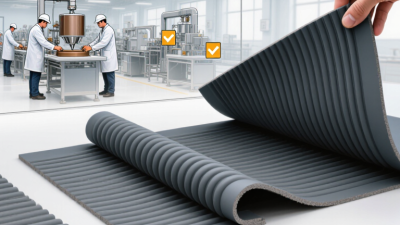
Double ribbed floor mats need more than a convincing surface pattern. Global buyers should compare the base material, rib design, and production consistency. Natural rubber offers strong grip and flexible performance in changing temperatures. PVC can provide firm structure, lower cost, and easier color control. However, its flexibility may decline in cold storage areas. Thermoplastic rubber sits between both options, but quality varies by formulation.
Construction details matter during daily use. Look for dense ribs with clean edges and even spacing. These channels should trap water, dust, and small debris without becoming difficult to clean. A stable backing helps prevent curling on smooth floors. Reinforced edges can reduce splitting, especially near doorways and vehicle entrances. Check thickness across several points. Uneven sections often reveal weak process control. I have found that heavier mats are not always better; excessive weight can complicate handling and installation.
Tips: Request material specifications, hardness data, and sample pieces before ordering. Bend the sample repeatedly. Inspect the backing after washing and drying. Ask whether tests cover slip resistance, abrasion, odor, and dimensional stability. Results should come from identifiable laboratories or documented internal procedures. Packaging also deserves attention. Rolled mats need proper protection against permanent creases. One overlooked detail: rib height can affect wheelchair movement and trolley handling. Choose the pattern for the actual site, not only for appearance. Separting performance claims from verified evidence remains essential.
2026 Top Double Ribbed Floor Mat Types for Global Buyers
How Global Buyers Can Evaluate Safety, Durability, and Maintenance
Double ribbed floor mats are designed to scrape dirt and hold moisture beneath footwear. For global buyers, the key question is not appearance. It is performance under real traffic, weather, and cleaning conditions. In site inspections, mats with closely spaced ribs usually remove fine grit effectively. Wider channels often handle heavier water and mud. A stable backing is essential. Check slip resistance on both dry and wet surfaces. Also inspect whether edges curl after repeated rolling or temperature changes.
Material selection affects service life. Rubber-like compounds often tolerate abrasion, but chemical resistance still varies. Test the mat against oils, detergents, and de-icing residues used at the destination. Cold climates require flexibility at low temperatures. Hot regions demand resistance to softening and fading. Ask for independent test reports, dimensional tolerances, and batch traceability. Do not rely on a single laboratory value. Installation conditions can change results.
Maintenance should be practical for local staff. Lift the mat regularly, remove trapped grit, and wash the underside. A smooth, sealed floor beneath it reduces hidden moisture and odor. Some mats clean well with low-pressure water; others need brushing between ribs. We have seen buyers underestimate drying time. That mistake encourages mildew in poorly ventilated entrances. A perfect mat does not exist. Recheck performance after several months, because traffic patterns and cleaning habits may differ from the original plan.
| Mat Type | Typical Construction | Recommended Use | Common Thickness | Safety and Traction Factors | Durability Profile | Maintenance Requirement | Environmental and Temperature Considerations | Buyer Evaluation Priority |
|---|---|---|---|---|---|---|---|---|
| Nitrile Rubber Double-Ribbed Mat | Dense nitrile rubber compound with raised ribs on the walking surface and a textured or cleated underside. | Commercial entrances, kitchens, production areas, workshops, and locations exposed to oils or grease. | 8–12 mm | Rib geometry helps channel small amounts of liquid; underside traction depends on cleat design and floor compatibility. Request slip-resistance test results for the intended wet condition. | Very high | Shake or vacuum loose dirt, then wash with neutral detergent. Dry fully before returning to the floor. Inspect edges and underside regularly. | Generally suitable for demanding indoor use. Verify the supplier’s temperature range and resistance to specific oils, solvents, and cleaning chemicals. | Best choice where oil resistance, long service life, and frequent cleaning are more important than low initial weight. |
| Natural Rubber Double-Ribbed Mat | Flexible rubber sheet with parallel raised ribs and a non-slip backing pattern. | Office entrances, corridors, retail areas, and general indoor traffic zones. | 6–10 mm | Provides good flexibility and grip on many hard floors, but performance varies with moisture, floor finish, contamination, and backing condition. | High | Vacuum or sweep frequently. Clean with mild soap and water; avoid petroleum-based cleaners unless compatibility is confirmed. | Performs well indoors. Prolonged sunlight, ozone, extreme heat, or some chemicals may accelerate aging. | Choose when flexibility and a natural-rubber material profile are preferred; confirm odor and chemical-resistance requirements. |
| PVC Double-Ribbed Mat | Flexible polyvinyl chloride with molded ribs, commonly produced in solid or foamed formats. | Retail entrances, utility rooms, light industrial spaces, and covered outdoor areas. | 5–10 mm | Ribs can improve shoe contact and scrape light dirt. Check the backing for migration, curling, and compatibility with sealed wood, vinyl, or coated floors. | Medium to high | Easy to hose or mop. Use a neutral cleaner and remove standing water. Avoid sharp scraping tools that can damage the rib surface. | Suitable for many general applications. Verify low-temperature flexibility, plasticizer migration, and resistance to UV exposure for outdoor use. | Suitable for buyers seeking a cost-efficient, lightweight mat with simple cleaning requirements. |
| TPE Double-Ribbed Mat | Thermoplastic elastomer with molded ribs and a flexible, often low-odor structure. | Healthcare, offices, schools, transport interiors, and environments where low odor is important. | 5–9 mm | Can provide consistent flexibility and traction, but the actual slip performance must be confirmed through standardized testing on the selected floor surface. | Medium to high | Clean with warm water and neutral detergent. Avoid aggressive solvents and excessive heat during washing or drying. | Often performs well across normal indoor temperatures. Confirm resistance to disinfectants, oils, and low-temperature exposure. | Prioritize when low odor, easy handling, and material recyclability options are relevant purchasing criteria. |
| Recycled Rubber Double-Ribbed Mat | Granulated or reclaimed rubber bonded into a resilient sheet with a molded ribbed surface. | Gyms, workshops, loading areas, entrances, and high-impact service locations. | 8–15 mm | Usually offers strong underfoot cushioning and good resistance to movement. Surface texture, particle bonding, and edge finish should be checked for trip hazards. | Very high | Sweep or vacuum first, then damp mop or rinse. Allow sufficient drainage and drying to control odor and microbial growth. | Good impact resistance. Verify odor emissions, recycled-content documentation, UV stability, and temperature performance before outdoor installation. | Best for heavy traffic and impact protection when verified recycled content is part of the purchasing specification. |
| Polypropylene-Faced Ribbed Mat with Rubber Backing | Ribbed textile face for scraping and absorption, combined with a rubber or polymer backing to limit movement. | Building entrances, reception areas, hotels, offices, and other locations where dirt and moisture control are important. | 7–12 mm | Textile ribs remove and retain dirt; backing traction depends on floor cleanliness and contact area. Keep the surface flat and replace mats with curled edges. | Medium to high | Vacuum frequently and use periodic extraction or low-moisture cleaning. Dry completely to prevent odor and backing deterioration. | Primarily intended for indoor or sheltered use. Confirm colorfastness, backing stability, and compatibility with moisture-sensitive floors. | Choose when entrance cleanliness and moisture capture are more important than resistance to oil and heavy industrial chemicals. |
| Aluminum-Linked Double-Ribbed Mat | Aluminum support bars linked with replaceable ribbed inserts, usually mounted in a recessed frame or heavy-duty border. | High-traffic commercial entrances, airports, shopping centers, and public buildings. | 12–22 mm | Strong scraping action and stable installation when correctly framed. Confirm load capacity, insert retention, ramped edges, and accessibility requirements. | Very high | Lift or roll sections as designed, remove trapped debris, and clean inserts separately. Inspect fasteners, hinges, and frame edges. | Suitable for demanding indoor entrances. Confirm corrosion resistance for wet or de-icing-salt environments and thermal movement allowances. | Best for permanent, high-traffic installations where serviceability and replaceable components justify a higher project cost. |
For global buyers in 2026, double ribbed floor mats are selected less by appearance and more by measurable performance. Common options include PVC, natural rubber, and thermoplastic compounds. PVC suits cost-sensitive indoor projects, while rubber offers stronger grip near entrances and work areas. TPE can provide easier cleaning and lower odor, but its price may rise. Ask suppliers for material specifications, rib height, backing structure, and dimensional tolerances. Small details matter. A mat that curls after temperature changes can create a real trip hazard.
A reliable sourcing process should include sample testing before bulk production. Check slip resistance on wet ceramic, tile, and sealed concrete. Measure drainage, compression recovery, edge flatness, and color consistency. Request production photos, batch records, and independent laboratory reports when safety claims matter. These documents help, though paperwork alone proves little. I have seen attractive samples fail after repeated rolling and cleaning. The weakness was not visible at first.
Customization should match the destination market, not merely the buyer’s logo. Buyers may request custom lengths, drainage channels, beveled edges, packaging, or metric dimensions. High-traffic entrances need dense ribs and stable backing. Kitchens may need grease-resistant surfaces and fast drainage. Cold regions require flexibility at lower temperatures. Humid markets need materials that resist odor, supported by verified testing. Local installers should confirm floor sizes and cleaning methods. Oversized mats look impressive, but they are harder to lift, wash, and store. Selection improves when total use cost is compared with purchase price.
Sourcing comparison based on common commercial construction, thickness, drainage, and application requirements. Values are representative procurement benchmarks and should be confirmed against the supplier’s technical data sheet.
PVC double-ribbed mats are typically selected for lightweight indoor use and easy roll handling. Rubber-backed and all-rubber options generally provide higher durability and slip resistance for entrances, commercial buildings, and wet areas. Buyers should also verify rib height, total thickness, backing stability, drainage performance, chemical resistance, and compliance requirements such as REACH and RoHS where applicable.