The Ultimate Guide to Choosing the Best Antimicrobial Bath Mat for Your Home
When it comes to maintaining a clean and healthy home, the importance of choosing the right bath mat cannot be overstated. An increasing number of homeowners are turning to the innovative solution of an antimicrobial bath mat, designed to inhibit the growth of mold, mildew, and bacteria. According to Dr. Emily Rosen, a leading expert in home hygiene, "Investing in an antimicrobial bath mat is not just about comfort, but about safeguarding your family’s well-being."
Antimicrobial bath mats not only provide a soft landing for your feet after a shower but also play a crucial role in preventing the spread of pathogens in one of the most moisture-prone areas of your home. As moisture accumulates, it creates an ideal environment for harmful microorganisms to thrive. Hence, selecting the right antimicrobial bath mat is essential for ensuring that your bathroom remains a safe space.
In this guide, we will navigate through the key factors to consider when choosing the best antimicrobial bath mat for your home. From material selection to maintenance tips, our aim is to equip you with the knowledge necessary to make an informed decision, ultimately enhancing your household hygiene and comfort.
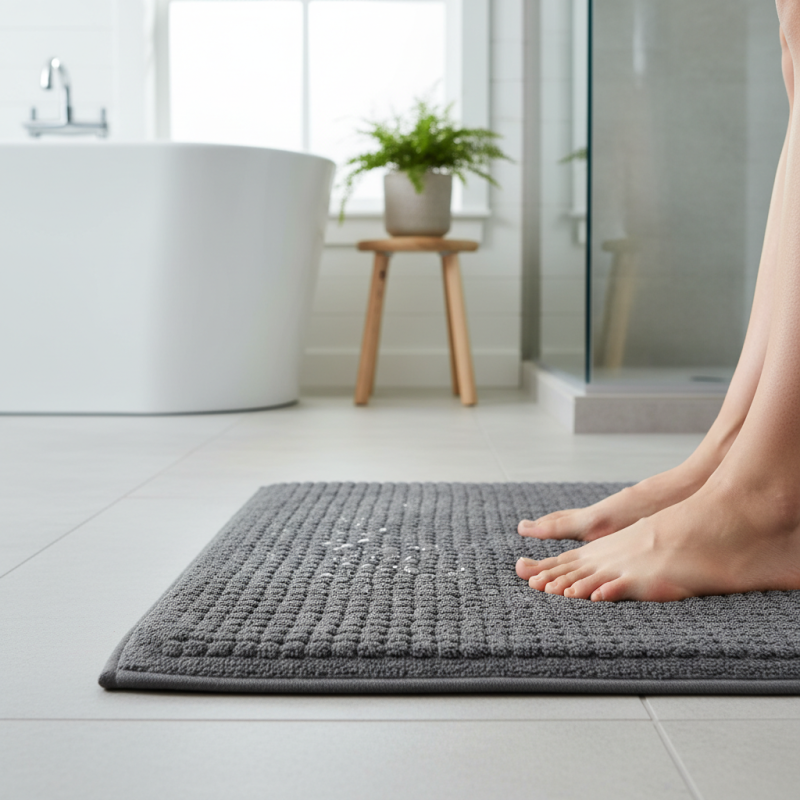
Understanding Antimicrobial Materials: What to Look For
When selecting an antimicrobial bath mat, the choice of materials is crucial in ensuring that the product effectively reduces the growth of harmful microorganisms. Antimicrobial materials are treated with agents that inhibit microbial growth on the surface, thereby minimizing the risk of mold, mildew, and bacteria. According to a report by the American Society for Microbiology, surfaces treated with antimicrobial agents can reduce bacterial counts by up to 99.9%, making them a smart choice for moisture-prone areas like bathrooms.
When evaluating different antimicrobial materials, look for those that specifically mention the type of antimicrobial agent used and its effectiveness. Common choices include silver ions, which are known for their long-lasting antimicrobial properties, and copper materials, which can act against a broad range of pathogens. The Global Antimicrobial Coatings Market report highlights the increasing use of such materials in home textiles, predicting a 12% annual growth rate due to rising awareness of hygiene. It's also important to consider the mat's construction; those made with tighter weaves or denser foam tend to better resist water accumulation, further enhancing their antimicrobial effectiveness.
Key Features of an Effective Antimicrobial Bath Mat
When selecting an effective antimicrobial bath mat, there are several key features to consider that will enhance both hygiene and comfort in your bathroom. Firstly, look for materials that are inherently resistant to mold and mildew, such as certain synthetic fabrics or treated natural fibers. These materials inhibit the growth of bacteria and fungi, ensuring that your bath mat remains cleaner for longer. Additionally, a quick-drying feature is essential; mats designed with moisture-wicking properties help prevent dampness, further reducing the risk of microbial buildup.
Another important factor is the mat's non-slip backing. Safety is paramount in any bathroom setting, and choosing an antimicrobial bath mat with a secure grip can prevent unnecessary falls. Moreover, a mat that is easy to clean and maintain will save you time and effort. Ideally, it should be machine washable or easily wipeable, ensuring that hygiene can be maintained with minimal inconvenience. Lastly, consider the mat's durability; an effective antimicrobial bath mat should not only resist the growth of unwanted organisms but also withstand regular use and washing without compromising its integrity.
Comparing Different Types of Antimicrobial Bath Mats
When selecting an antimicrobial bath mat, it’s crucial to understand the different types available, as each offers unique benefits tailored to various needs and preferences. One popular option is the microfiber bath mat, which not only absorbs water effectively but also boasts antimicrobial properties that inhibit the growth of mold and bacteria. The soft texture provides comfort underfoot, making it an excellent choice for everyday use, especially in households with children or pets.
Another type to consider is the rubberized bath mat. Typically used in shower stalls or bathtubs, these mats prevent slipping while featuring antimicrobial treatments that help maintain hygiene. Their durable nature ensures a longer lifespan and resilience against water-related wear and tear. Additionally, there are eco-friendly bath mats made from natural materials, which often utilize plant-based antimicrobial treatments. These mats appeal to environmentally conscious consumers, providing a sustainable option without compromising on safety and cleanliness.
Ultimately, the best choice depends on individual preferences regarding comfort, aesthetics, and maintenance requirements. By comparing the characteristics of these different types of antimicrobial bath mats, homeowners can find the perfect fit for their bathroom, enhancing both safety and decor while promoting a healthier living environment.
The Ultimate Guide to Choosing the Best Antimicrobial Bath Mat for Your Home
| Type of Antimicrobial Bath Mat |
Material |
Effectiveness |
Drying Time |
Price Range |
| Memory Foam Bath Mat |
Polyester, TPU |
High |
3-5 hours |
$25 - $45 |
| Cotton Bath Mat |
Cotton |
Moderate |
4-6 hours |
$10 - $30 |
| Microfiber Bath Mat |
Microfiber |
High |
2-4 hours |
$15 - $35 |
| Vinyl Bath Mat |
Vinyl |
Moderate |
1-2 hours |
$10 - $20 |
Cleaning and Maintenance Tips for Longevity
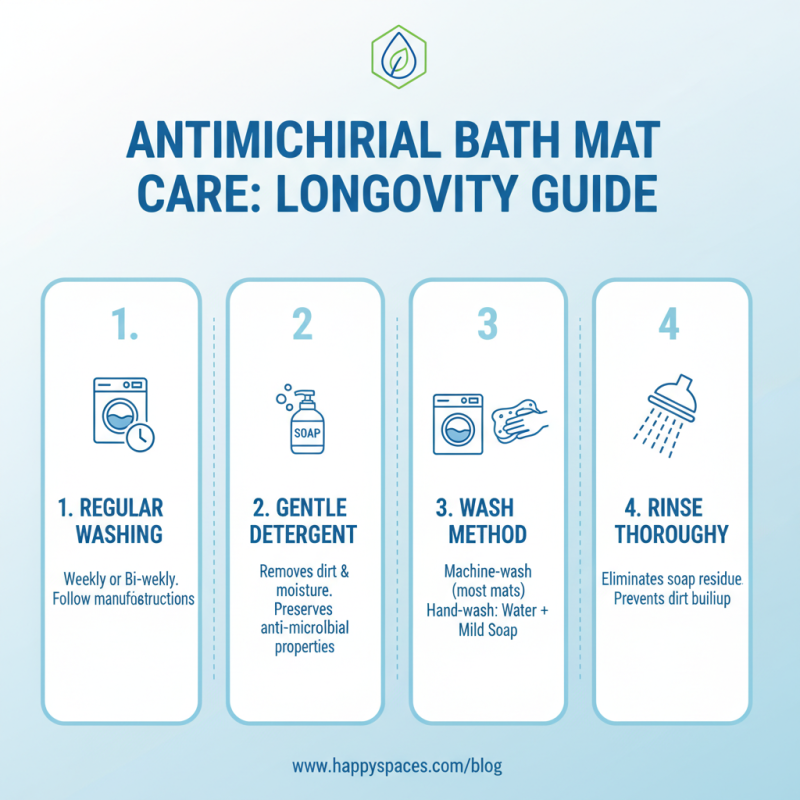
To ensure the longevity of your antimicrobial bath mat, proper cleaning and maintenance are essential. Start by regularly washing the mat according to the manufacturer's instructions, typically once a week or bi-weekly. Use a gentle detergent that effectively removes dirt and moisture without damaging the antimicrobial properties. Most mats can be machine-washed, but for those that require hand washing, a simple mix of water and mild soap will suffice. Rinse thoroughly to eliminate any soap residue, which can attract dirt over time.
Additionally, allow your bath mat to dry completely after each use. This can be achieved by hanging it in a well-ventilated area or placing it outside in the sun, as sunlight can help to further reduce microbial growth. Avoid placing the mat in damp areas, as continuous exposure to moisture can compromise its effectiveness. It's also wise to periodically inspect the mat for any signs of wear or damage; replacing it when necessary will ensure that you maintain a clean and hygienic bathroom space. By following these simple maintenance tips, you can extend the lifespan of your antimicrobial bath mat while keeping your home a healthier environment.
Top Brands and Products in the Antimicrobial Bath Mat Market
When selecting an antimicrobial bath mat, understanding the top brands and products in the market can significantly elevate the shopping experience. The antimicrobial bath mat market has seen substantial growth, facilitated by increasing consumer awareness about hygiene and the proliferation of mold and bacteria in moist environments. According to a recent industry report, the market for antimicrobial bath mats is projected to grow at a CAGR of 5.8% through 2026, reflecting an escalating demand for products that enhance household cleanliness while providing comfort and safety.
Leading brands in the antimicrobial bath mat segment often incorporate innovative materials that effectively inhibit the growth of bacteria and fungi. These mats typically feature compounds such as silver or copper, which have been scientifically proven to offer superior antimicrobial properties. Market research suggests that consumers are gravitating towards products that not only boast stylish designs but also utilize eco-friendly and sustainable materials, highlighting a dual trend toward wellness and environmental consciousness. Furthermore, the expansion of e-commerce platforms has made it easier for brands to showcase their latest technologies and receive consumer feedback, ultimately guiding purchasing decisions based on effectiveness and user experiences.
The Ultimate Guide to Choosing the Best Antimicrobial Bath Mat