Top 10 Plastic Green Grass Mats for Perfect Landscaping Solutions?
The landscaping industry continuously seeks sustainable and efficient solutions. Among these, the "Plastic Green Grass Mat" has gained significant traction. Data from the Landscaping and Ground Maintenance Association indicates that artificial turf solutions have seen a 25% increase in usage over the past five years. This shift highlights a growing awareness of water conservation and maintenance cost reduction.
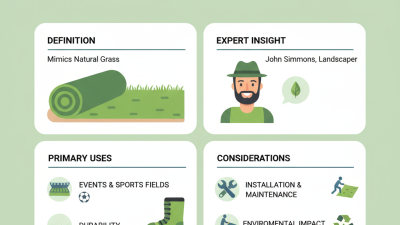
According to John Holloway, a leading expert in sustainable landscaping, “Plastic Green Grass Mats provide an excellent alternative for homeowners who want lush greenery without the hassle.” His insights shed light on the practical benefits these mats offer—from durability to aesthetic appeal. However, it is essential to consider the environmental impact of plastic materials. While they offer convenience, the reliance on non-biodegradable components raises questions about long-term sustainability.
The demand for visually appealing landscaping solutions will only increase. Yet, choosing the right product, like a Plastic Green Grass Mat, requires careful consideration. Prospective users must weigh benefits against potential environmental concerns. The balance between aesthetics and eco-friendliness remains a crucial discussion in the industry.
Overview of Plastic Green Grass Mats and Their Benefits
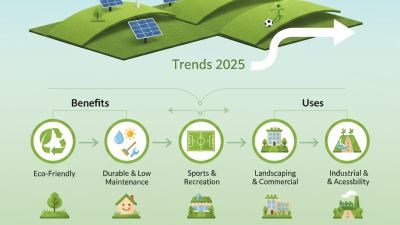
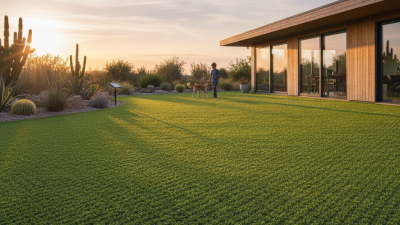
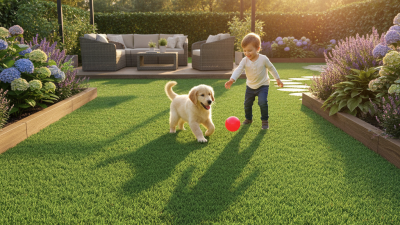
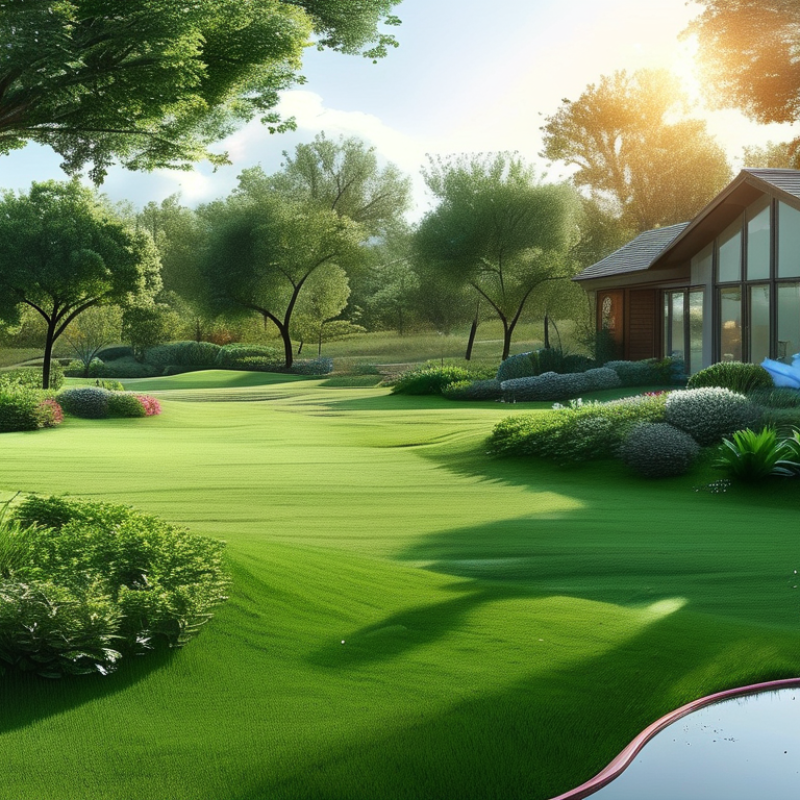
Plastic green grass mats are increasingly popular for landscaping. They provide a lush, natural look without the maintenance required for real grass. These mats are not only visually appealing but also durable and weather-resistant. They can withstand heavy foot traffic, making them suitable for various outdoor spaces.
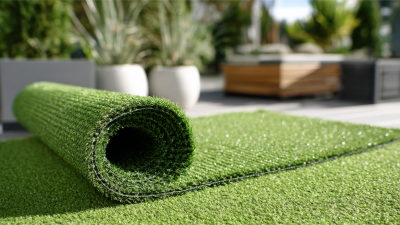
One major benefit is their versatility. They can be used in gardens, patios, and playgrounds. Installation is typically straightforward, requiring minimal tools and time. You can cut the mats to fit any space. They also help in controlling soil erosion.
Tips: Before laying down the mats, ensure the ground is level. This will prevent water pooling and enhance durability. Regularly check for debris or dirt buildup, which can affect the mat's appearance. Consider using padding underneath if placing in high-traffic areas.
Top Considerations for Selecting the Right Grass Mat for Landscaping
When selecting the right plastic green grass mat for landscaping, several key factors must be considered. The synthetic turf market is projected to grow significantly, reaching $3.2 billion by 2025, according to a report from Grand View Research. This statistic highlights the increasing preference for artificial solutions over traditional grass due to maintenance benefits and environmental considerations.
First, examine the material quality. Not all plastic grass mats are created equal. Some products use recycled materials, which can impact performance and durability. A study by the American Society for Testing and Materials indicates that high-quality mats last over 10 years with proper care, while lower-quality options may degrade within five years. UV protection is also crucial to prevent fading. Installations subjected to intense sunlight need to resist ultraviolet rays effectively.
Another essential factor is drainage. Proper drainage prevents water pooling and becomes crucial in avoiding mold growth. Mats with perforated backing allow rainwater to flow through easily. According to the Turfgrass Water Conservation Alliance, effective water management can reduce maintenance needs by up to 30%. Always assess the specific requirements of your landscaping project, considering factors like climate, sun exposure, and foot traffic on the grass mat. Making informed choices can lead to a sustainable and visually appealing outdoor space.
Top 10 Plastic Green Grass Mats for Perfect Landscaping Solutions
| Grass Mat Type |
Dimensions (ft) |
Material |
Color |
Weight (lbs) |
UV Resistant |
Drainage Capability |
| Realistic Grass Mat |
5 x 8 |
Synthetic Plastic |
Bright Green |
3 |
Yes |
Excellent |
| Heavy Duty Grass Mat |
6 x 10 |
Commercial Grade Vinyl |
Dark Green |
5 |
Yes |
Good |
| Soft Touch Grass Mat |
4 x 6 |
Polyethylene |
Lush Green |
2 |
Yes |
Excellent |
| Lightweight Grass Mat |
3 x 5 |
Recycled Material |
Olive Green |
1.5 |
No |
Fair |
| Commercial Grade Mat |
8 x 12 |
Polypropylene |
Deep Green |
6 |
Yes |
Excellent |
| Eco-Friendly Grass Mat |
5 x 5 |
Bamboo Fiber |
Natural Green |
2.5 |
Yes |
Good |
| Artificial Turf Mat |
10 x 10 |
Nylon |
Vibrant Green |
7 |
Yes |
Excellent |
| Waterproof Grass Mat |
6 x 8 |
PVC |
Forest Green |
4 |
Yes |
Good |
| Indoor/Outdoor Mat |
4 x 8 |
Polyethylene |
Bright Green |
3.5 |
Yes |
Excellent |
| Roll Out Grass Mat |
3 x 16 |
Plastic Composite |
Emerald Green |
8 |
Yes |
Excellent |
Review of the Top 10 Plastic Green Grass Mats in the Market
In the realm of landscaping, plastic green grass mats have gained undeniable popularity. They offer an attractive and low-maintenance solution for gardens, parks, and commercial spaces. According to a recent report, the artificial grass market is expected to grow at a CAGR of 10% from 2023 to 2030. This rapid growth reflects an increasing demand for eco-friendly landscaping options.
The plastic grass mats come in various textures and colors, making them versatile for aesthetic applications. However, one must be cautious about durability. Some cheaper options do not withstand harsh sunlight or heavy foot traffic. A study found that mats made from high-density polyethylene (HDPE) last longer and perform better. Investing in quality mats can prevent frequent replacements, but they often come with a higher upfront cost.
Many users appreciate the ease of installation, turning any space into greenery without extensive preparation. Yet, the maintenance required to keep these mats clean is sometimes underestimated. Regular cleaning can enhance their lifespan, but it can also become tedious. Users express a mix of satisfaction and frustration regarding upkeep. The balance between beauty and practicality is something every buyer should reflect on carefully.
Comparative Analysis of Durability and Cost of Grass Mats
When considering grass mats for landscaping, durability and cost play crucial roles. Many plastic green grass mats are available, but not all are created equal. Some mats can withstand harsh weather, while others may fade or tear easily. The quality of the material directly impacts longevity. Higher-grade materials tend to be more expensive. However, investing in quality can save costs in the long run.
Cost can vary widely depending on thickness and brand reputation. Some budget options may appear attractive initially but could require replacements sooner. The lifecycle of a grass mat must also be taken into account. Mats that need frequent replacement increase maintenance costs. It's essential to balance immediate savings with future expenses.
It's important to understand that not every mat will meet the desired criteria. Some may perform well in aesthetic appeal but fail in durability. This discrepancy can lead to dissatisfaction. Weighing your options carefully can help in selecting a product that balances cost and longevity.
Top 10 Plastic Green Grass Mats: Durability vs Cost
Maintenance Tips for Prolonging the Lifespan of Grass Mats
Proper maintenance of plastic green grass mats is essential for longevity. Research from the Synthetic Turf Council suggests that well-maintained mats can last up to 15 years. However, neglect can lead to faster deterioration. Regular cleaning is crucial. Dirt and debris can trap moisture and encourage mold growth. Use a soft broom to sweep away debris. A gentle wash with soap can keep surfaces clean. Ensure mats are drained to avoid water pooling.
Proper installation also influences lifespan. Mats should be placed on a solid, well-draining base. This prevents shifting and minimizes wear. Some mats may fade due to UV exposure. Regularly rotating the mats can help distribute wear evenly. The use of protective covers during harsh weather can provide additional protection.
Monitoring usage is important. Heavy foot traffic can accelerate wear. Consider designated pathways to limit direct contact. Inspect mats frequently for signs of wear. Early detection of damage can prevent larger issues. While plastic grass mats offer a low-maintenance solution, they are not entirely maintenance-free. Being proactive can help maintain their beauty and functionality over time.