Top 10 Floor Matting For Room Solutions You Need to Know?
Choosing the right floor matting for room solutions is essential for both comfort and functionality. Floor matting can transform the ambiance of a space while providing safety and support. This guide highlights the top 10 options available today.
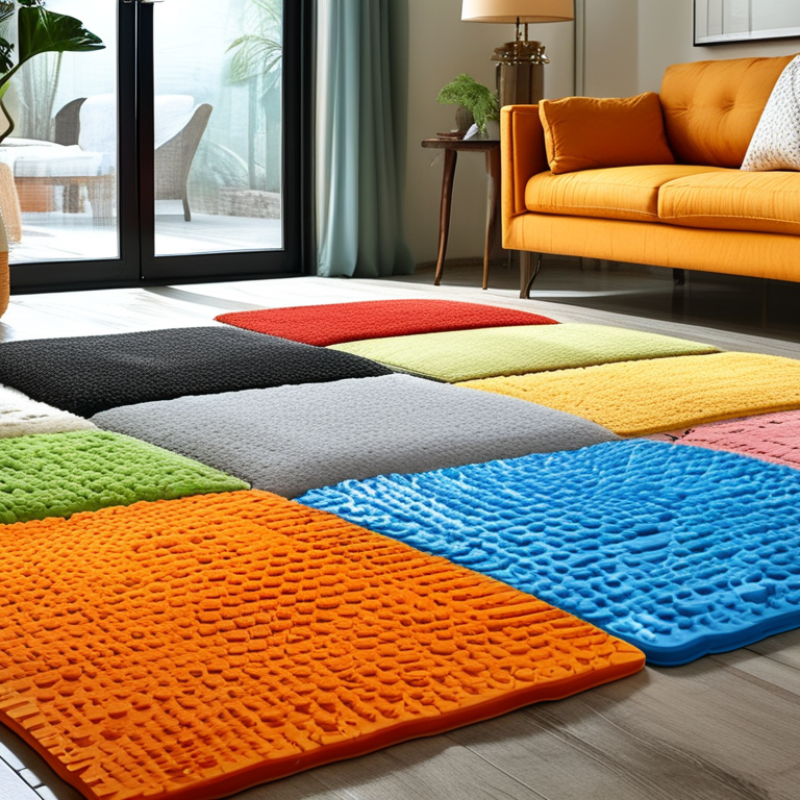
The versatility of floor matting for room applications is impressive. From entryways to playrooms, each type serves a distinct purpose. For example, rubber mats are ideal for high-traffic areas, providing durability and slip resistance. On the other hand, plush carpet tiles can add warmth to living spaces.
However, selecting the perfect matting isn’t always straightforward. Some options may not suit your needs or style preferences. It is crucial to consider factors like maintenance, texture, and color. In some cases, the wrong choice can lead to dissatisfaction. So, reflecting on your personal needs and space requirements is vital.
Essential Benefits of Floor Mats in Home Environments
Floor mats provide various benefits that enhance the comfort and functionality of home environments. According to a report by the National Floor Safety Institute, around 85% of slips and falls can be prevented with proper matting solutions. This statistic highlights the importance of choosing high-quality floor mats. They can significantly reduce accident risks, especially in areas prone to moisture, such as kitchens and bathrooms.
Moreover, floor mats can improve indoor air quality. A study from the Carpet and Rug Institute shows that mats can trap up to 80% of dirt and debris from shoes. By capturing contaminants, they help maintain a clean home and reduce allergens. Many people overlook this aspect, but air quality is crucial for health, especially for children and the elderly.
Another essential benefit is sound absorption. Mats can dampen noise and echo, making living spaces more peaceful. Reports indicate that proper flooring solutions can reduce noise levels by up to 30%. Picking the right mat can enhance your home’s acoustics and overall ambiance. While floor mats offer numerous advantages, selecting the wrong type can diminish these benefits. Consider the material and design carefully.
Different Types of Floor Matting Materials and Their Uses
Choosing the right floor matting material can greatly influence a room’s functionality and aesthetic. There are various types to consider, each suited for different needs. Rubber mats are excellent for high-traffic areas. They provide grip and comfort. Foam mats, on the other hand, are perfect for playrooms or workout spaces. Their cushioning offers optimal support and safety.
Tips: When selecting floor mats, think about the specific function they will serve. Would they be exposed to moisture? If so, opt for moisture-resistant options. Consider factors like slip resistance and ease of cleaning. Different materials can also impact noise reduction. Carpets can absorb sound, while vinyl mats tend to amplify echoes.
When contending with various styles, not all mats will suit every decor. For instance, industrial mats can clash in a home environment. If aesthetic is a priority, lean towards decorative options that match your interior design. Remember, the choice of material can reflect your style and also affect maintenance levels. Reflect on how much time you’re willing to invest in cleaning and upkeep.
Key Features to Look for When Choosing Floor Mats
Choosing the right floor matting can significantly enhance your space. One essential feature is durability. Look for mats designed to withstand heavy foot traffic. The material should resist wear and tear. Rubber and vinyl are often good choices. They provide longevity and are easy to clean.
Another critical aspect to consider is safety. Non-slip surfaces greatly reduce the risk of falls. If your area is prone to spills, mats with absorbent properties are beneficial. They help manage moisture effectively, keeping your floors safer. Additionally, consider the design. Aesthetic appeal can transform a room. Patterns and colors should complement your decor.
Lastly, think about maintenance. Some mats require more care than others. A quick-dry feature is advantageous in high-moisture areas. Reflect on your specific needs. Wrong choices can lead to frequent replacements and added costs. Prioritize practicality to make an informed decision.
Top 10 Floor Matting Solutions
Top 10 Recommended Brands for Quality Floor Matting
When it comes to floor matting, choosing the right brand can make a significant difference. Quality matting not only enhances aesthetics but also contributes to safety and comfort. The market offers various brands, each with unique features and materials. Some specialize in eco-friendly options, while others focus on durability and ease of cleaning. These distinctions can help you make a more informed decision.
Certain brands are known for their expertise in various environments, like commercial spaces or homes. They often utilize advanced technology to improve traction and moisture absorption. Some mats might claim to be anti-microbial, which can be a vital factor for those concerned about hygiene. However, it's essential to verify these claims through reliable resources or reviews.
While many options exist, it's crucial to reflect on your specific needs. Consider where the mat will be used and how often it will be cleaned. Not all mats perform equally in heavy traffic areas or in damp settings. Balancing aesthetics, functionality, and durability can be challenging. Prioritize quality over price, but don't overlook the feedback from real users. Real-life experiences can often unveil the strengths and weaknesses of each brand.
Maintenance Tips for Prolonging the Life of Your Floor Mats
Maintaining floor mats is crucial for durability and performance. Regular care can extend their life significantly. According to a report by the National Floor Safety Institute, properly maintained mats can last up to five years longer than those neglected. Therefore, a solid maintenance routine is essential.
Start with routine cleaning. Vacuuming daily helps remove dirt and debris. Use a mild detergent and warm water for deeper cleans. This prevents built-up grime, which can damage the material. It's interesting that many people skip this step, thinking occasional washing is enough. Yet, consistent care is vital.
Check for wear and tear. Frayed edges or discoloration indicate that mats need replacement. Ignoring these signs can lead to safety hazards. A study showed that worn mats can reduce slip resistance by 30%, increasing slip-and-fall accidents. Regular inspection fosters safety in your environment, encouraging a healthier approach to maintenance.
Top 10 Floor Matting For Room Solutions You Need to Know
| Mat Type |
Material |
Ideal Use |
Maintenance Tips |
Lifespan |
| Anti-Fatigue Mat |
Rubber |
Workstations |
Regular cleaning, avoid excess moisture |
5-10 years |
| Entrance Mat |
Nylon |
Entryways |
Vacuum regularly, wash periodically |
3-5 years |
| Carpet Mat |
Polyester |
Indoor Areas |
Shampoo regularly, rotate regularly |
1-3 years |
| Outdoor Mat |
Polypropylene |
Patios |
Rinse with water, shake off debris |
5-7 years |
| Rubber Mat |
Vulcanized Rubber |
Industrial Areas |
Inspect for damage, clean with soap |
10-15 years |
| Eco-Friendly Mat |
Natural Fiber |
Sustainable Spaces |
Dust with a brush, avoid harsh chemicals |
3-8 years |
| Chair Mat |
Polycarbonate |
Office Chairs |
Wipe clean, check for scratches |
5-10 years |
| Kitchen Mat |
Vinyl |
Kitchens |
Clean spills immediately, wash with soapy water |
3-6 years |
| Safety Mat |
Foam |
Slippery Areas |
Replace if torn, clean with mild detergent |
2-5 years |
| Decorative Mat |
Cotton |
Living Rooms |
Spot clean, avoid direct sunlight |
2-4 years |