Top 10 Antimicrobial Bath Mats for Global Buyers to Consider
In today's world, hygiene is more important than ever. The bathroom, often overlooked, is a hotspot for bacteria and germs. An antimicrobial bath mat is a practical solution. It can significantly reduce the presence of harmful microorganisms.
Choosing the right antimicrobial bath mat involves careful consideration. There are many options available, each boasting unique features. Quality, material, and effectiveness are critical factors. Buyers should not rush this decision. Reflect on the specific needs of your bathroom space before purchasing.
These mats offer protection and peace of mind. However, not all products perform equally. Some may claim antimicrobial properties, but effectiveness varies. It is essential to invest time in research. Ensure that the mat you choose delivers on its promises. In the end, a reliable antimicrobial bath mat enhances safety and comfort in your home.
Overview of Antimicrobial Bath Mats and Their Benefits
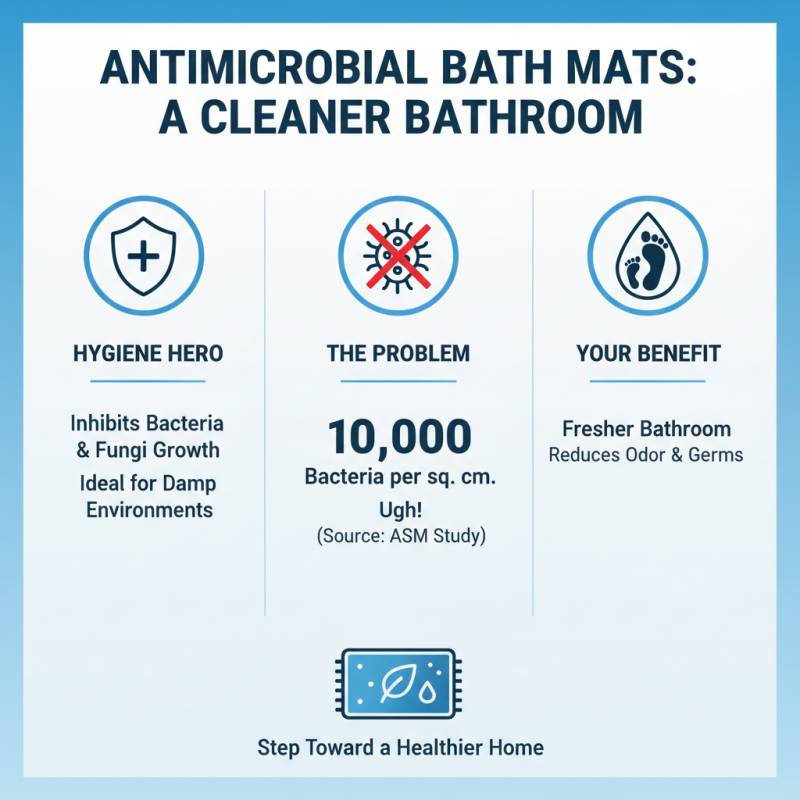
Antimicrobial bath mats are essential in maintaining a hygienic bathroom environment. They inhibit the growth of bacteria and fungi, which can thrive in damp areas. According to a recent study by the American Society for Microbiology, bath mats can harbor up to 10,000 bacteria per square centimeter. This statistic alone underscores the importance of using mats with antimicrobial properties.
The benefits of antimicrobial bathroom mats extend beyond just cleanliness. These mats can help reduce allergens and odors, contributing to a more pleasant atmosphere. A report from the National Institute of Health noted that minimizing microbial growth can also reduce the risk of infections, particularly for individuals with compromised immune systems. Moreover, using such mats can enhance safety by providing better traction and stability, especially in wet conditions.
While the effectiveness of antimicrobial materials is well-documented, not all products are equally reliable. Some may lose their efficacy over time, especially after several washes. Consumers need to be cautious and research their options. The sustainability of materials, and the long-term effectiveness of the antimicrobial properties, often require scrutiny. This reflection may reveal opportunities for improvement in product development, ensuring that consumers receive durable and effective solutions.
Key Features to Look for in Antimicrobial Bath Mats
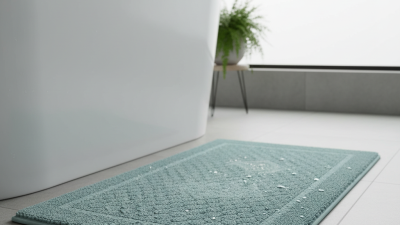
When selecting antimicrobial bath mats, several key features are crucial. Fabric composition matters significantly. Look for mats made from synthetic materials known for their resistance to mold and bacteria. Microfiber is a popular choice due to its absorbency and quick-drying properties. A mat that dries quickly can reduce the risk of microbial growth.
Grip is essential for safety. A non-slip backing helps prevent accidents in wet areas. Test the grip on a variety of surfaces to ensure effectiveness. This feature is frequently overlooked, yet it plays a key role in maintaining safety in the bathroom.
Consider the ease of cleaning. Mats that are machine-washable save time and effort, ensuring hygiene is maintained. Regular washing helps keep spores and bacteria at bay. Using hot water can enhance the cleaning process, but be mindful of the mat's heat tolerance.
Tip: Monitor your bath mat for signs of wear. If it shows fading or loses its texture, it's time to replace it for optimal performance.
Another factor to ponder is the aesthetic. Finding a mat that complements your bathroom decor can enhance your space. However, don’t prioritize style over function. Always ensure the mat’s antimicrobial properties are intact.
Tip: Test various designs and colors to find one that resonates with your style while still protecting your health.
Top Antimicrobial Materials Used in Bath Mats
When selecting a bath mat, antimicrobial materials are essential. These materials help prevent the growth of bacteria, mold, and mildew. Common options include bamboo, which is naturally resistant to microbial growth. It offers a sustainable alternative that also feels warm underfoot.
Another popular choice is microfiber. This fabric absorbs water efficiently and dries quickly. Microfiber mats often incorporate additional antimicrobial treatments. This helps maintain cleanliness and extends the mat’s lifespan. Using these mats can reduce the frequency of washing required.
Additionally, some mats are made from treated polyester. This material is durable, and effective against bacteria. However, not all treated mats perform equally. Consumers should research product specifications before purchasing. Careful consideration of these details is crucial when choosing a bath mat for hygiene and comfort.
Review of the Top 10 Antimicrobial Bath Mats Available Globally
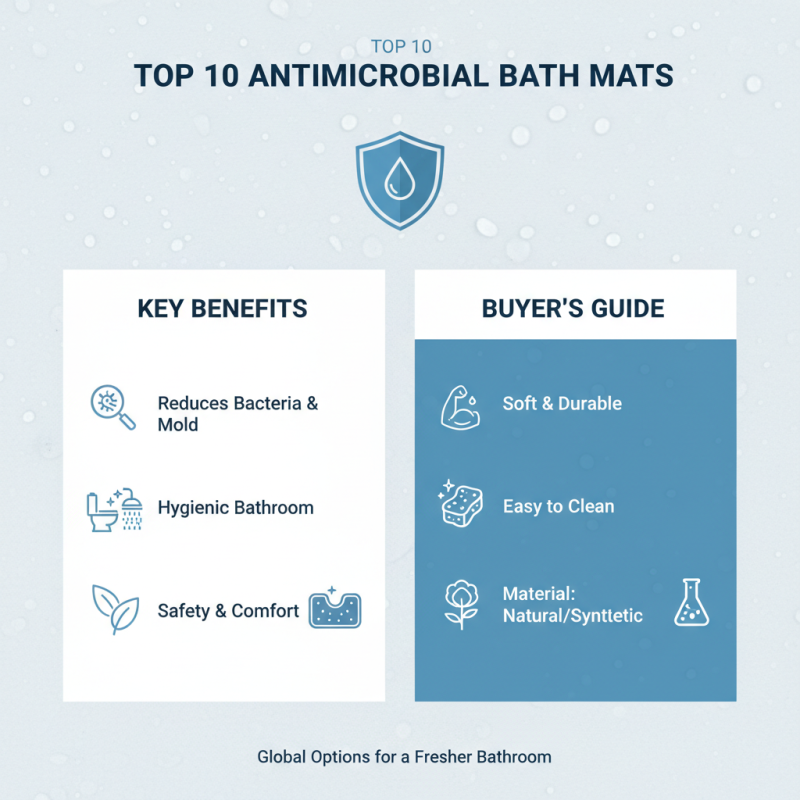
When choosing an antimicrobial bath mat, buyers seek options that combine safety and comfort. Antimicrobial properties help reduce bacteria and mold growth. This is crucial for maintaining a hygienic bathroom environment. Customers want mats that are soft, durable, and easy to clean. Mats made from natural fibers or advanced synthetic materials can meet these demands effectively.
Several options are available globally. They vary in design, size, and texture. Some mats come with extra cushioning for comfort underfoot. Others offer slip-resistant features, which enhance safety when wet. It's important for buyers to consider their specific needs. Measuring the bathroom space before purchase can avoid mistakes. Checking care instructions ensures longevity and effectiveness, which often gets overlooked.
While there are many great choices, not every mat lives up to expectations. Certain materials might not provide the intended antimicrobial benefits. Customer reviews can help highlight these discrepancies. Some buyers may find that their choice does not match their needs, requiring them to make a second purchase. Being informed and cautious is beneficial in making a satisfactory selection.
Buying Considerations for International Customers of Bath Mats
When selecting antimicrobial bath mats, international customers should prioritize material and effectiveness. Look for mats made from high-quality, moisture-resistant materials. These materials can prevent mold and bacteria growth, ensuring a healthier bathroom environment. A mat's texture also influences its antimicrobial properties. Choose mats with a textured surface for better water drainage.
Warranty and product reviews play a crucial role in the decision-making process. Check for manufacturers' warranties that can offer assurance about longevity. Customer reviews provide real-life insights into the mat's performance. However, some reviews may be biased or exaggerated. Weigh the feedback carefully to make informed choices.
Consider the size that fits your bathroom. Mats come in various dimensions, so it's essential to measure your space accurately. An ill-fitting mat can be inefficient, leading to damp areas. Personal preferences like color and design should also factor into your choice. Aesthetic appeal enhances your bathroom. However, the primary focus should always be on functionality. This balance can be challenging but is vital for purchase satisfaction.