10 Essential Tips for Choosing a Ribbed Outdoor Door Mat?
Choosing the right Ribbed Outdoor Door Mat can significantly enhance your home’s entrance. These mats are not just practical; they add character to your outdoor space. Understanding which features to prioritize can make your selection process less overwhelming.
Consider the material. A good ribbed mat usually consists of durable rubber or strong fibers. These materials handle weather changes effectively. They keep dirt outside and provide safety by reducing slip hazards. Look for mats that can withstand rain and sun exposure.
Another important factor is size. Your Ribbed Outdoor Door Mat should fit your door perfectly. It should be wide enough to cater to foot traffic but not overwhelm the space. A well-sized mat is visually appealing and functional. Overall, remember that a mat reflects your style. Choose wisely, and it may protect your home for years.
Understanding the Purpose of Ribbed Outdoor Door Mats
Ribbed outdoor door mats serve several crucial purposes. They effectively trap dirt, mud, and moisture before entering your home. This helps maintain cleanliness and protects your flooring. The ribbed texture enhances the mat's ability to collect debris. As people wipe their shoes, the grooves catch the dirt, making it less likely to spread inside.
Choosing the right ribbed mat can also improve safety. Wet or muddy floors can become slippery hazards. A good mat provides traction, reducing the risk of slips. However, not all mats are created equally. Some may not effectively manage water, leading to puddles at your doorway. It’s vital to assess the material and construction of the mat. Durable options resist wear and tear from outdoor elements.
The appearance of ribbed mats is another consideration. They often come in various colors and sizes. Aesthetics can complement your home’s entrance. However, personal preference should not overshadow practicality. It's easy to get caught up in design while overlooking essential functions. Striking a balance between looks and effectiveness is key.
Key Materials Used in Constructing Ribbed Door Mats
When selecting a ribbed outdoor door mat, understanding the materials is crucial. These mats are commonly crafted from rubber, coir, and synthetic fibers. Rubber is known for its durability and excellent traction. A report by the International Journal of Environmental Science estimates that rubber mats can last up to 10 years under outdoor conditions. This longevity makes them a reliable option for high-traffic areas.
Coir mats, made from coconut husk fibers, offer natural water resistance. They can absorb moisture, preventing water from seeping into your home. However, coir may degrade faster than rubber in harsh weather conditions, lasting around 3 to 5 years. Choosing coir can be ideal for milder climates where longevity is less critical.
Synthetic fibers like polypropylene offer versatility and color options. They resist fading and absorb water well. However, in terms of ecological impact, synthetic options may pose environmental concerns. While they are resilient, review their lifespan based on usage and weather exposure. Each material has its pros and cons, and understanding these can help in making an informed choice.
Evaluating Size and Dimensions for Your Entryway
When selecting a ribbed outdoor door mat, the size and dimensions are crucial. Measure your entryway carefully. A mat too large may overwhelm the space, while one too small might be ineffective in trapping dirt. Consider a mat that extends at least 24 inches wide. This provides ample room for multiple footwear types, especially in bustling households.
Think about the thickness of the mat too. A robust mat can withstand frequent use and harsh weather. However, if it’s too thick, the door might not open easily. Simplicity and function must go hand in hand. Look for mats that match your home’s style but also focus on practicality.
Reflect on how the size impacts the look of your entrance. A mat should enhance, not detract from your doorway. Evaluate the dimensions alongside your existing decor. This thoughtful assessment can help avoid a mismatch that feels out of place. Pay attention to placement; a well-positioned mat appears inviting and serves its purpose effectively.
10 Essential Tips for Choosing a Ribbed Outdoor Door Mat - Evaluating Size and Dimensions for Your Entryway
| Tip |
Description |
Recommended Size |
Material |
Color Options |
| Measure Your Entryway |
Ensure the mat fits the space without covering it entirely. |
36 x 24 inches |
Coir, Rubber |
Brown, Black |
| Consider Thickness |
Opt for a thickness that suits your door clearance. |
0.5 to 1 inch |
Foam, Vinyl |
Grey, Green |
| Select a Durable Material |
Choose materials that can withstand weather and wear. |
Varies by product |
Nylon, Polypropylene |
Beige, Blue |
| Check for Non-Slip Features |
Safety is vital; look for mats with secure backing. |
N/A |
Rubber |
Red, Charcoal |
| Choose an Easy to Clean Option |
Maintenance is easier with washable materials. |
N/A |
Coir |
Natural, Earth Tones |
| Evaluate Absorbency |
A mat that absorbs moisture helps keep your home cleaner. |
N/A |
Microfiber |
Light Colors, Dark Colors |
| Match Your Decor |
Choose colors and styles that complement your entryway. |
N/A |
Various |
Seasonal Colors |
| Consider Weight |
Heavier mats stay in place better but are harder to clean. |
N/A |
Coir, Rubber |
Rich Colors |
| Check For Weather Resistance |
Assess the mat's performance in different weather conditions. |
Varies |
Synthetic Materials |
Multiple Options |
Choosing the Right Color and Design for Your Home
Choosing the right color and design for your outdoor door mat can significantly enhance your home's aesthetic. A ribbed door mat can be both stylish and functional. Look for colors that complement your exterior. If your home is painted in warm tones, a rich earth color mat can create harmony. Dark colors hide dirt well but might absorb more heat. On the other hand, lighter shades can brighten the entryway.
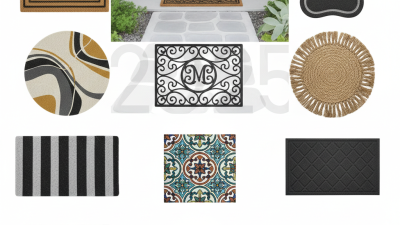
Consider patterns that reflect your personal style. A simple striped design can be modern, while a floral pattern can add a touch of warmth. Additionally, think about seasonal changes. A mat that fits well in summer may feel out of place in winter. It’s okay to think outside the box. Sometimes, choosing a mat that looks good but doesn’t fit perfectly can spark creativity.
When picking a mat, choose a material that’s easy to clean and durable. This will ensure it withstands weather elements. Don’t hesitate to mix textures for added interest. Ultimately, even if you feel uncertain about your choice, trust your instincts. A door mat is an opportunity to showcase your home’s unique character.
Maintenance Tips for Longevity of Ribbed Outdoor Door Mats
Ribbed outdoor door mats are practical and stylish. To ensure they last, proper maintenance is essential. According to a report by the American Cleaning Institute, regular cleaning can extend the life of door mats by up to 50%. Dirt and moisture can quickly wear down materials, leading to premature replacement.
Regularly shake or vacuum your ribbed mat to remove debris. This simple action prevents dirt from becoming ingrained. For deeper cleaning, rinse with a hose and use a mild detergent. This helps maintain the mat's appearance without damaging its fibers. Allow it to dry completely before placing it back at your door.
Watch for wear and tear. Look for frayed edges or discoloration. These can indicate that the mat needs replacement. While a new mat may seem like a hassle, frequent check-ups can save money in the long run. Be mindful of your environment; mats near high-traffic areas may need more frequent maintenance. Adapting care routines can lead to a longer-lasting product.
10 Essential Tips for Choosing a Ribbed Outdoor Door Mat
This chart illustrates the importance of various factors to consider when selecting a ribbed outdoor door mat. The ratings range from 1 to 10, with higher values indicating greater importance. Factors like material quality and weather resistance are deemed essential, while eco-friendliness and price are rated lower comparatively.