
Choosing the right Extra Large Welcome Mat is more complicated than matching its color to your front door. A large mat must handle muddy shoes, rainwater, pet hair, and constant foot traffic. It should also sit firmly on the floor, without curling at the corners or blocking the doorway. Small details matter here. A few extra inches can protect an entryway better. They can also create an awkward trip hazard when measurements are rushed.
Textile conservator and rug-care educator Lisa Wagner has often stressed this practical point: “A rug is a textile, not a disposable accessory.” Her advice applies to every Extra Large Welcome Mat. Look beyond appearance. Check the fiber, backing, pile height, drainage ability, and cleaning instructions. Coir offers a rough surface for scraping shoes, while recycled rubber can provide stronger outdoor resistance. Yet neither material suits every climate or floor type.
This guide explores ten useful tips for choosing a mat that feels welcoming and works hard. It considers size, placement, weather exposure, safety, maintenance, and design. The best choice may not be the most expensive one. It may be the mat that dries quickly beside a rainy porch and stays flat through winter. That sounds simple. It is not always simple.
Even careful shoppers can overlook door clearance or drainage. I have done that myself. A beautiful mat can fail when its backing stains stone or traps water underneath. These imperfections deserve attention. A practical decision begins with honest questions about your entrance, your habits, and the mess your household actually brings home.
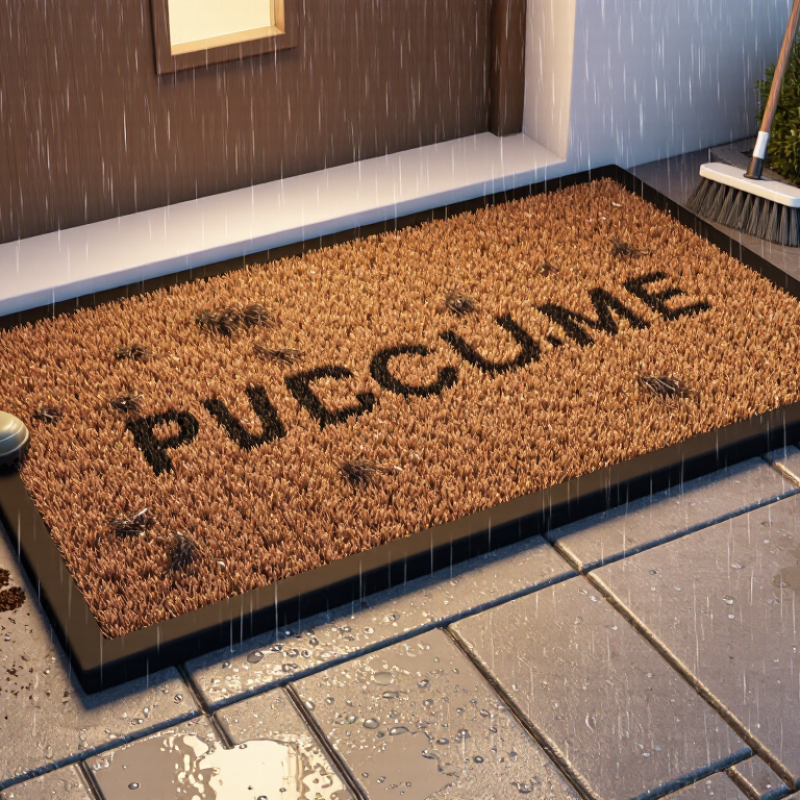
An extra large welcome mat does more than greet visitors. It creates a cleaning zone before dirt reaches your floor. A wider surface also gives guests room to wipe both shoes comfortably. This matters near busy entrances, especially during rain or muddy seasons. The mat can define the doorway visually. It should support the entry, not overpower it.
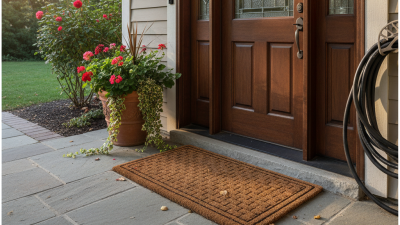
The ideal size depends on the door and surrounding space. Measure the complete door width, including sidelights or nearby trim. The mat should extend beyond the opening on both sides when possible. A depth of 30 to 36 inches usually gives enough wiping space. Larger entries may suit a 4-by-6-foot mat. Leave enough clearance for the door to swing freely. An attractive mat becomes a problem if it folds under the door.
I once chose a mat that looked generous in a product photo. It blocked the storm door and collected water underneath. That mistake changed my checklist. Check the threshold height, floor slope, and drainage area before buying. For covered porches, a dense absorbent surface can work well. Exposed entrances need weather-resistant fibers and a stable backing. A mat should lie flat, dry reasonably fast, and resist sliding. Still, no size solves every entry problem. Some doorways need a smaller mat and a second one indoors. Measure twice. Test the swing.
A large welcome mat succeeds or fails at the doorway. The material must match the conditions there.
The Carpet and Rug Institute estimates that up to 85% of building dirt enters on footwear. That makes fiber design important. For outdoor entrances, choose solution-dyed polypropylene or tightly woven recycled fibers. These materials resist moisture, grit, and fading better than ordinary cotton. A rubber or thermoplastic backing should stay flat during temperature changes. Check the edges carefully. Raised corners create trip risks.
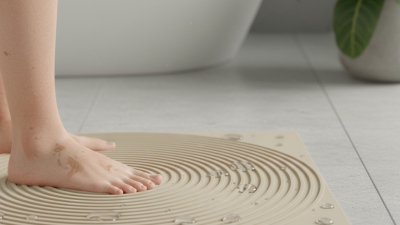
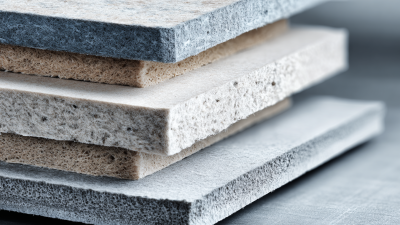
Indoor mats need a different balance. Nylon or dense polyester can capture fine dust without feeling rough underfoot. The U.S. Environmental Protection Agency’s mold guidance warns that damp porous materials can become difficult to clean. Therefore, select a mat with drainage, washable fibers, or a quick-drying construction near wet doors. Avoid thick foam layers where water can hide. They feel comfortable, but they may retain moisture.
I once favored plush pile for a more welcoming appearance. That choice was not always practical. Low-profile loops usually release dirt more easily during vacuuming. Look for documented abrasion testing, colorfastness results, and slip-resistance data, rather than vague claims. ASTM test methods can support comparisons, but laboratory performance will not perfectly mirror muddy boots, salt, or constant sunlight. Measure the doorway, leave clearance for the door swing, and inspect the backing every few months. Small maintenance details matter.
Comparing mat designs, textures, and cleaning performance matters more than appearance. The U.S. Environmental Protection Agency reports that indoor pollutant levels can be two to five times higher than outdoors. A strong entrance mat cannot solve everything, but it can reduce tracked soil and moisture. Look for a wide design that covers the full doorway path.
Material changes cleaning performance. Polypropylene dries quickly, while cotton-like fibers may absorb more water but need longer drying. Rubber or vinyl backing improves stability, although some backings curl after repeated temperature changes. That detail is easy to overlook.
The Carpet and Rug Institute recommends frequent vacuuming and prompt spot cleaning for entrance textiles. Its maintenance guidance supports a practical routine: vacuum high-traffic areas daily and clean deeper as needed. In my experience, oversized mats perform best when they receive enough clearance around every edge. Still, a larger mat is not automatically better. A poor texture may trap grit, while a beautiful flat weave can spread water across the floor.
Safety should guide your choice, not appearance alone. The World Health Organization reports about 684,000 fatal falls worldwide each year. A mat cannot prevent every accident, but it can reduce tracked moisture and loose debris. Look for a wide, low-profile design with beveled edges. It should lie flat against the floor. Raised patterns may improve grip, though overly deep textures can catch small wheels or shoes.
Check whether the manufacturer provides slip-resistance testing based on recognized ASTM methods. OSHA’s walking-working-surfaces guidance also stresses clean, orderly, and dry floors where feasible. Place the mat securely, especially near outward-opening doors. I once chose a very thick mat for extra comfort. It interfered with the door swing. That mistake was avoidable.
Weather resistance matters outdoors. NOAA climate data shows major differences in rainfall, snowfall, and temperature across regions. Choose rubber or tightly woven fibers for wet climates. Confirm resistance to fading, freezing, and repeated saturation. Drainage holes can help, but they also collect grit.
Maintenance needs deserve equal attention. The National Floor Safety Institute emphasizes prompt removal of spills and walking-surface hazards. Vacuum or shake the mat regularly. Rinse it when dirt builds up, then dry it completely. A huge mat is useful only when one person can move and clean it safely.
10 Tips for Choosing the Best Extra Large Welcome Mat
Price is only the opening number. Compare cost per year, not the checkout total. A $140 mat lasting seven years costs about $20 annually. A $60 mat replaced yearly costs more. I have learned this after watching cheap backing curl near wet doorways. Tip 1: Measure the threshold, swing, and walking path. Leave clearance for doors and wheelchairs. Tip 2: Check drainage, backing grip, and edge height. A beautiful mat becomes a hazard when it slides.
Placement affects performance more than decoration. Place one mat outside for grit and another inside for moisture. The U.S. Environmental Protection Agency reports indoor pollutant levels can be two to five times higher than outdoor levels. Entry mats cannot solve indoor air quality, but they can reduce tracked dirt when cleaned regularly. Tip 3: Match the surface to local weather. Choose dense scraping fibers for mud and absorbent fibers for rain. Tip 4: Confirm cleaning requirements before buying. Some large mats need commercial washing, which changes long-term value.
Safety deserves a practical check. The CDC reports that more than 3 million older adults receive emergency treatment for fall injuries annually in the United States. Tip 5: Press every corner after installation. Tip 6: Avoid loose fringe and raised borders. Tip 7: Ask for tested slip resistance, not vague marketing language. Tip 8: Inspect backing after heavy rain. Tip 9: Keep a replacement budget. Tip 10: Reconsider the size after real foot traffic; I once chose too large, and the door never opened cleanly.
Coverage area is calculated from each mat’s standard dimensions: width × length ÷ 144. Larger mats provide more entryway coverage, but they also require more floor space and typically cost more. Confirm your doorway clearance, swing path, and available placement area before choosing the largest option.