How to Choose the Best Imitation Grass Matting for Your Space?
When selecting the best imitation grass matting for your space, it’s essential to make an informed choice. Renowned landscape designer Mark Johnson emphasizes, “Quality matters when choosing imitation grass matting; it impacts both aesthetics and durability.” As more people embrace the beauty of artificial grass, understanding your options becomes vital.
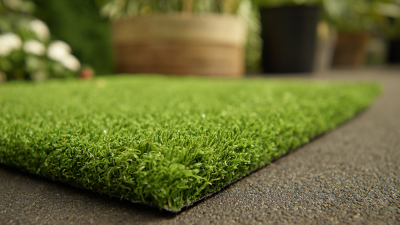
Imitation grass matting can enhance patios, gardens, and play areas. It adds a touch of green without the need for constant maintenance. However, many choices can overwhelm buyers. Not all products are created equal, and the right fit depends on your specific needs.
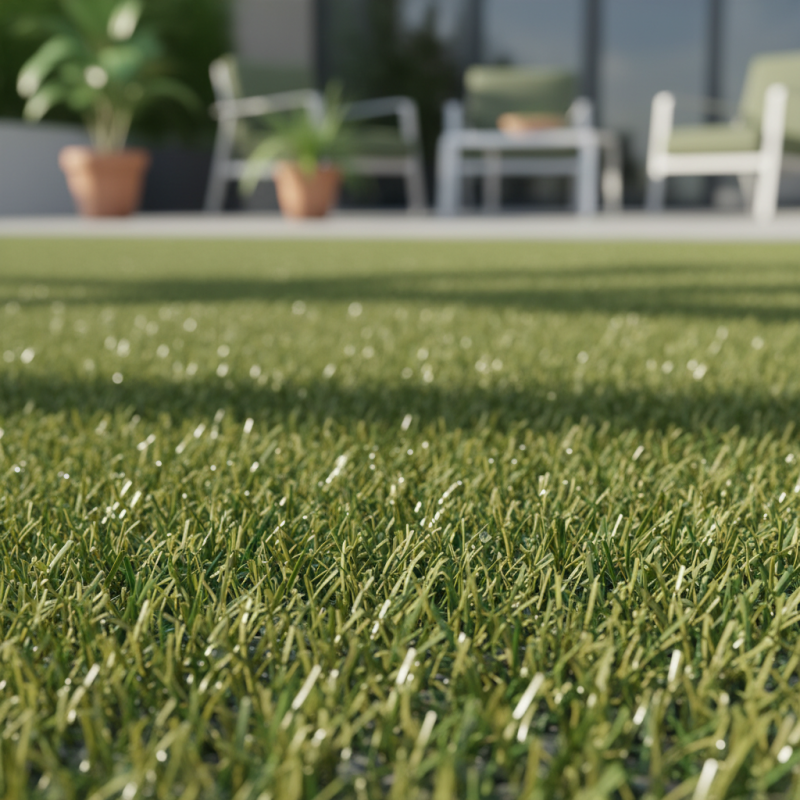
Consider factors like pile height, color, and texture. The wrong selection can lead to disappointment. Pay attention to UV resistance and drainage features as well. The ideal imitation grass matting should reflect the look and feel of natural grass while suiting your lifestyle. Making the right choice requires time and research.
Factors to Consider When Selecting Imitation Grass Matting for Outdoor Spaces
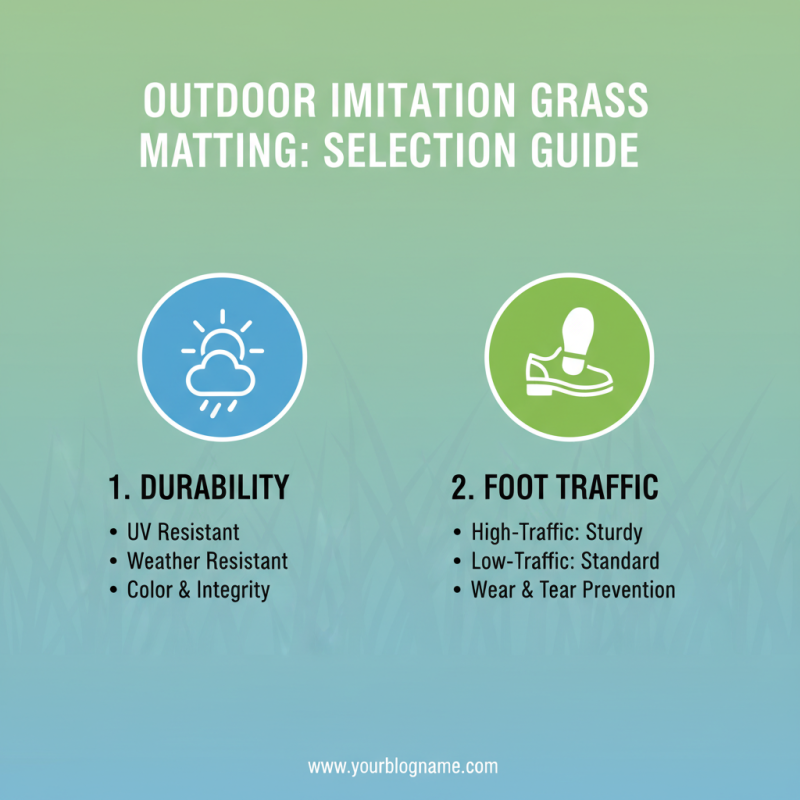
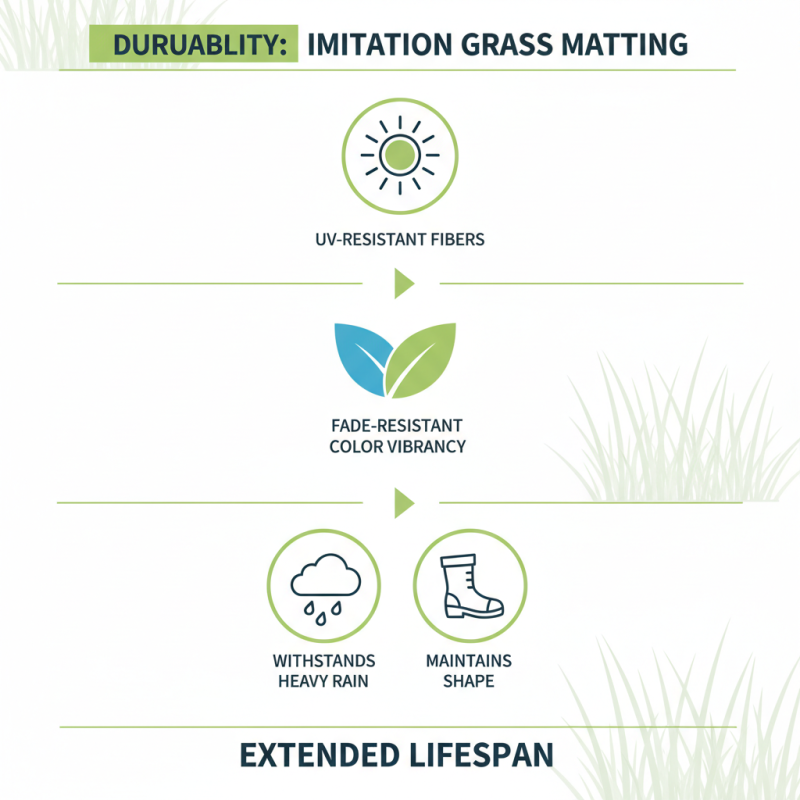
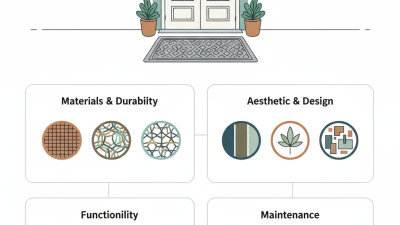
When selecting imitation grass matting for outdoor spaces, several factors should be in focus. The first consideration is durability. Look for materials that withstand UV exposure and harsh weather. This ensures your matting retains its color and integrity over time. Think about the foot traffic in the area. High-traffic zones need a sturdier option to prevent wear and tear.
Next, consider the aesthetic appeal. Color and texture play a significant role. Choose a shade that complements your landscape and enhances the overall look. Sometimes, the wrong choice feels glaring or out of place. Pay attention to the pile height as well. A thicker matting might feel cushier, but it may attract dirt and require more maintenance.
Finally, think about installation and maintenance. Some products are easier to install than others. This choice impacts your budget and time. For instance, some mats need special adhesives or tools. Assess your skills and whether you need professional help. Remember, the best imitation grass matting should fit your balance between functionality and beauty while meeting your unique needs.
Understanding Different Types of Imitation Grass Materials and Their Uses
Choosing the right imitation grass matting begins with understanding the materials available. Most products fall into three main categories: polyethylene, polypropylene, and nylon. Polyethylene is popular for its durability and softness. This type is often used in residential lawns and play areas. In contrast, polypropylene is budget-friendly and suitable for light foot traffic spaces. It is ideal for temporary installations and event venues.
Nylon, while generally more expensive, offers the strongest and most resilient option. According to a recent industry report, over 50% of users preferred nylon for commercial landscaping due to its resistance to wear and UV damage. However, not all nylon products are created equal. Some may fade or flatten over time, especially under heavy use. Users should always verify longevity claims.
Additionally, the pile height affects the appearance and usability of the grass matting. Shorter piles look neat but may be less comfortable for lounging. Taller piles provide a lush look but can be harder to maintain. Users must weigh aesthetics against practicality. Engaging with different samples before making a decision is encouraged. It can reveal defects or issues that a photo might not show.
Analyzing Cost-Effectiveness: Long-Term Benefits of Quality Imitation Grass
When evaluating the cost-effectiveness of imitation grass, quality plays a critical role. While cheaper options are available, they often wear out quicker. A report by the Artificial Turf Council indicates that high-quality synthetic grass can last up to 15 years with minimal maintenance. In contrast, lower-end products might need replacement in as little as five years. This discrepancy significantly affects long-term investment.
Maintenance costs also differ. Quality mats typically require less water and no mowing, leading to lower utility bills. A study from Green Roofs for Healthy Cities showed that quality grass could save homeowners 50% on landscape maintenance costs. In urban areas, these savings become even more impactful given the rising cost of water and labor.
Choosing quality imitation grass might seem expensive upfront, but the long-term benefits are clear. However, it's essential to assess your specific needs and space limitations. Sometimes, what appears to be a bargain can lead to ongoing expenses. This decision needs careful consideration to ensure you invest wisely.
Sustainability and Environmental Impact of Synthetic Grass Solutions
Choosing the right imitation grass matting isn't just about aesthetics. Sustainability and environmental impact should be at the forefront of your decision. Synthetic grass has gained popularity for its lush appearance and low maintenance needs. However, its environmental footprint merits exploration.
The production of synthetic grass involves petrochemicals, which contribute to pollution. This type of grass isn’t biodegradable, leaving behind plastic waste at the end of its life cycle. It raises questions about long-term effects on soil and water. Transitioning to better materials seems vital. Some manufacturers are now exploring eco-friendly options. These materials can mimic grass while being more sustainable.
Water usage is another critical concern. Natural grass requires significant watering, leading to resource depletion. Conversely, synthetic options save water. Yet, they can heat up and impact local climates. It’s important to weigh the benefits against potential drawbacks. Each choice you make influences both the environment and your space. So, think critically about your selection.
Environmental Impact of Synthetic vs. Natural Grass