Best Large Outdoor Door Mats for Every Home Entrance?
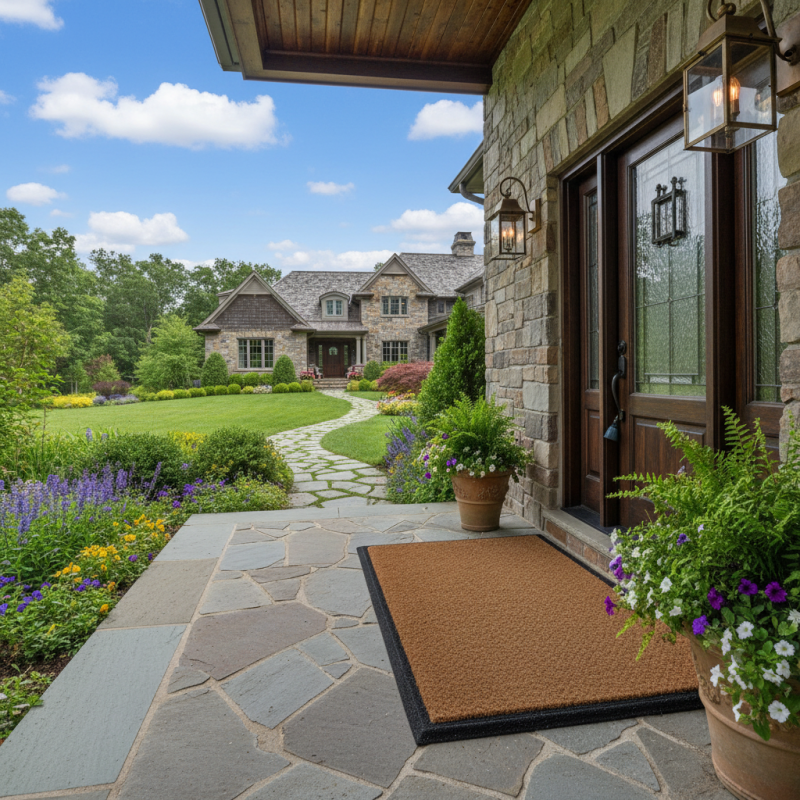
Large Outdoor Door Mats are essential for every home entrance. They provide functionality and enhance curb appeal. Choosing the right mat can transform your entryway into a welcoming space.
The size and material of Large Outdoor Door Mats matter. A good mat traps dirt and moisture, helping to keep your floors clean. Consider options made from durable materials like coir or rubber. These choices withstand weather and foot traffic well.
While aesthetics are important, practicality should lead your decision. A beautiful mat might not perform well if it fails to absorb water properly. Reflect on your needs. Striking the right balance between style and function can be tricky, yet it's vital for lasting satisfaction.
Factors to Consider When Choosing Large Outdoor Door Mats
When choosing a large outdoor door mat, consider the material. Options range from coir to rubber. Coir mats are durable and eco-friendly. However, they might not hold up in extreme weather. Rubber mats offer excellent traction but can retain dirt. Think about your entrance's environment.
Size is another factor. A mat should fit the space without overwhelming it. Measure the area before purchasing. Too small a mat looks awkward. On the other hand, overly large mats can hinder foot traffic. Color and design are equally crucial. A bright mat can enhance your entrance's appeal. However, intricate designs may show dirt more easily.
Finally, ease of cleaning is vital. Look for mats that are easy to shake out or wash. Some mats require more care to maintain their appearance. Regular cleaning can prevent the mat from looking worn. Reflect on your needs before making a choice. It’s easy to rush the decision, but spending time can pay off in the long run.
Materials Used in Large Outdoor Door Mats: Pros and Cons
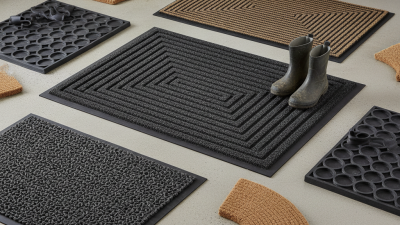
When selecting large outdoor door mats, the material significantly influences performance and longevity. Rubber mats are popular for their robust nature. They effectively trap dirt and moisture, making them ideal for rainy regions. According to a recent industry report, rubber mats have a lifespan of over five years with proper care. However, they can retain unpleasant odors and may not be ideal for warmer climates.
Coir mats, made from coconut fibers, offer a natural aesthetic. They excel in scraping dirt off shoes. Their eco-friendly nature appeals to many homeowners. A study found that coir mats can absorb up to 30% of their weight in moisture. Despite this, they may wear out more quickly and require frequent replacement.
Synthetic fibers, such as polypropylene, present a versatile option. They are durable and resistant to fading, making them suitable for various weather conditions. However, while they may look pristine, they often lack the deep cleaning capabilities of natural materials. Less than 40% of consumers prefer synthetic options, as their performance can feel uninspiring. Each material has strengths and weaknesses, making it essential to choose based on specific needs.
Material Comparison of Large Outdoor Door Mats
Top Styles of Large Outdoor Door Mats for Various Home Designs
Choosing the right outdoor door mat can enhance your home’s entrance. Different styles can complement various architectural designs.
For modern homes, sleek and minimalistic mats provide a clean look. They often feature geometric patterns or are made of industrial materials. These choices resonate with the contemporary aesthetic.
On the other hand, traditional homes benefit from classic, ornate mats. Rich colors and intricate designs can create a warm welcome.
Natural fibers, like coir, also add to the charm. They’re durable and perfect for any weather. However, these mats may fade or get worn over time, needing periodic updates.
For a rustic vibe, consider mats with earthy tones and textures. Handcrafted designs often tell a story. They’re unique but can clash if not chosen wisely. When it comes to choosing, think about your home’s character.
Overlooking details can lead to mismatched entrances. It’s important to find a balance between style and functionality.
Maintenance Tips to Extend the Life of Your Outdoor Door Mat
Maintaining outdoor door mats is crucial for extending their lifespan. A recent report indicates that properly cared-for mats can last up to 50% longer than those neglected. Regular cleaning is key. Shake out the mat weekly to remove dirt and debris. For deeper cleaning, use a vacuum or hose it down every month. This simple routine helps retain its appealing look.
Weather can be tough on outdoor door mats. Damp conditions promote mold growth, which weakens the fibers. A 2022 study suggests that mats made from synthetic materials resist moisture better than natural fibers. Consider rotating mats seasonally. This allows them to dry out completely. Keeping your mats in shape isn't just about cleanliness; it's about maximizing their effectiveness at trapping dirt and moisture.
Take a moment to inspect your mats regularly. Look for fraying edges or fading colors. These damage signs can compromise their functionality. Even the best mats wear down over time, and noticing small issues early can prevent costly replacements later. Adapting your maintenance routine is essential for preserving these home essentials.
Trends in Large Outdoor Door Mats: What’s Popular Right Now
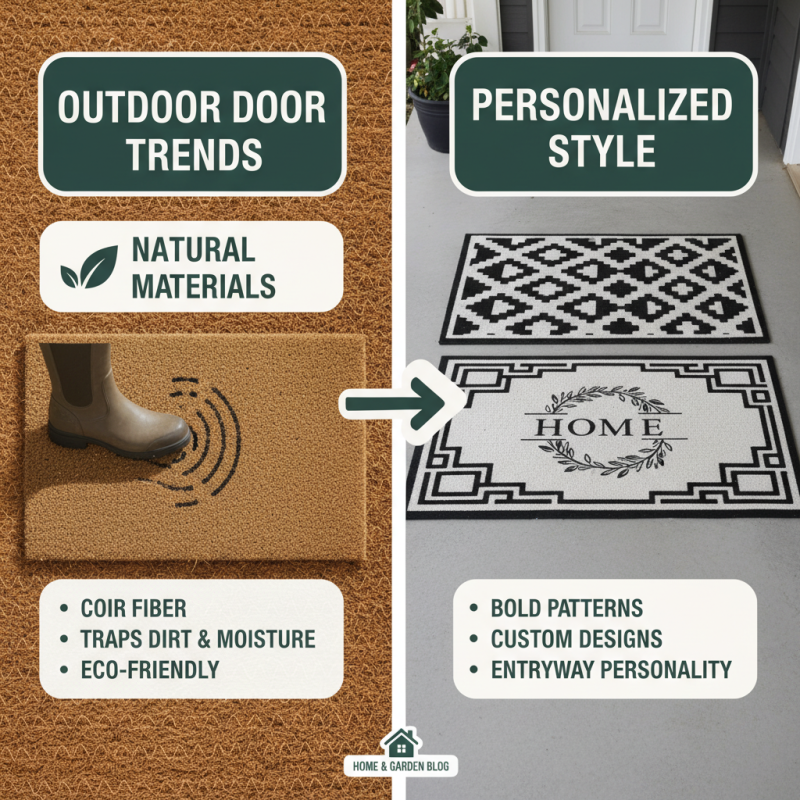
When it comes to large outdoor door mats, trends are shifting to natural materials. Coir, with its earthy texture, is gaining popularity. It effectively traps dirt and moisture. Many homeowners appreciate its eco-friendliness. Also, large mats are now often adorned with bold patterns or personalized designs. This adds a touch of personality to any entryway.
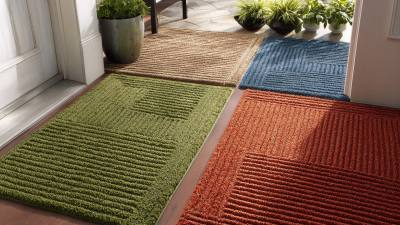
Color schemes are evolving too. Neutral tones are still favored, but bright colors are emerging. These eye-catching hues can illuminate your outdoor space. Popular motifs include geometric shapes or floral prints. They bring life to an otherwise dull area. However, one must consider maintenance. Vibrant colors may fade over time in the sun.
Another trend involves functional designs. Some mats double as decorative pieces and offer durability. But do they really withstand heavy foot traffic? Many mats claim longevity, yet not all live up to expectations. It's crucial to choose wisely. Think about your specific needs and space. Reflect on what style suits your home best. There’s beauty in simplicity, but a little flair never hurts.