Best Floor Matting Options for Every Room in Your Home?
Choosing the right floor matting for room settings is essential for both functionality and aesthetics. According to a report by Market Research Future, the global floor matting market is projected to grow at a CAGR of 5.4% from 2021 to 2027. As homeowners increasingly focus on comfort, safety, and cleanliness, the selection of floor mats has gained significance.
Floor matting for room applications not only enhances interior design but also plays a vital role in preventing slips and improving air quality. High-quality mats can trap dust and allergens, leading to healthier living environments. For instance, anti-fatigue mats are becoming popular in kitchens and workspaces, promoting better posture and reducing fatigue during prolonged standing.
Yet, many individuals overlook the diverse options available. Materials like rubber, carpet, and vinyl each have unique benefits and ideal applications. Evaluating the specific needs of each room can be challenging but is crucial for optimal use. Homeowners must consider factors like durability, maintenance, and style to make informed decisions in their floor matting choices.
Best Floor Matting Options for Living Rooms: Styles and Materials
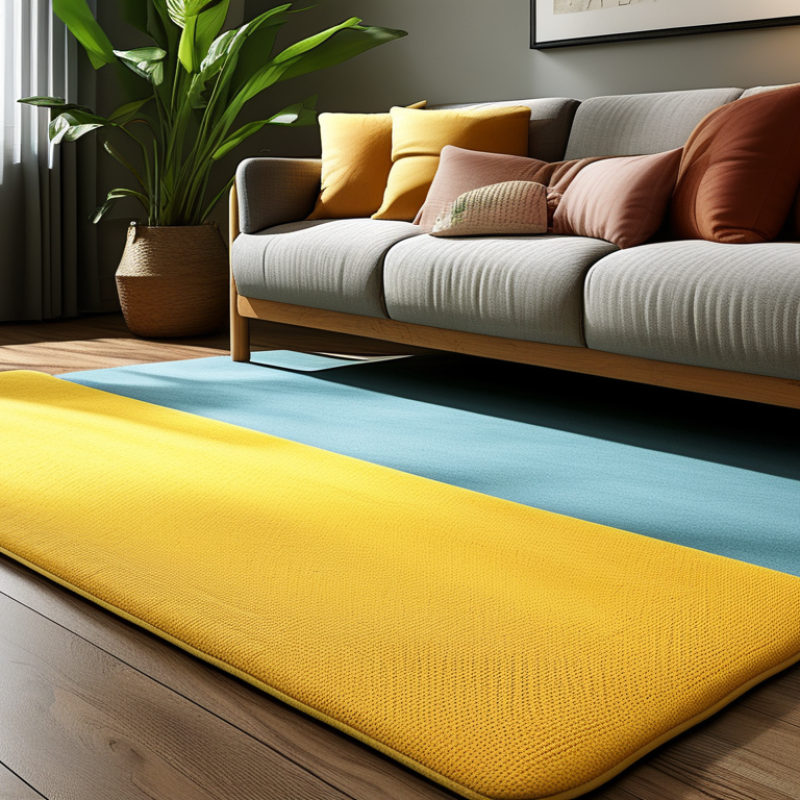
Choosing the right floor matting for your living room can enhance the space significantly. Consider styles like area rugs, which can tie the room together. Bold patterns or soft textures create a welcoming atmosphere. Natural fibers, such as jute or wool, are excellent for comfort and durability. They add warmth and can be easily maintained.
Another option is vinyl flooring mats. They are practical and versatile. Available in various designs and colors, they can mimic wood or stone. This option is especially good for high-traffic areas. It is easy to clean and resistant to stains. Many prefer this for its affordability.
However, selecting the perfect matting requires thought. Think about your lifestyle and the room's function. A family with pets may need different materials than a quiet space for reading. Reflect on the balance between aesthetics and practical needs. The right choice should serve both style and purpose efficiently.
Essential Floor Matting Choices for Kitchen Areas: Durability and Safety
When choosing floor matting for kitchen areas, durability and safety are paramount. The kitchen is a high-traffic zone, demanding a mat that withstands spills, stains, and constant wear. The National Floor Safety Institute suggests that properly chosen mats can reduce slip-and-fall incidents by up to 80%. Selecting the right materials can significantly enhance safety in this crucial space.
Many options exist, including rubber, vinyl, and anti-fatigue mats. Rubber mats are excellent for slip resistance and easy cleaning. Vinyl mats, on the other hand, offer great durability and variety in design. Anti-fatigue mats are vital for those who stand for long periods, helping to alleviate discomfort. When choosing a mat, consider how often it will be cleaned and its exposure to moisture.
Tips: Always measure your kitchen layout to ensure a good fit for the mat. Look for mats with beveled edges to minimize tripping hazards. Regularly inspect mats for wear; replacing them can prevent accidents. Remember, a worn mat can be just as hazardous as having no mat at all.
Best Floor Matting Options for Every Room in Your Home
| Room |
Material |
Durability (Years) |
Safety Features |
Maintenance |
| Kitchen |
Rubber |
5-10 |
Slip-resistant, waterproof |
Easy to clean, hosed down |
| Bathroom |
Vinyl |
3-7 |
Water-resistant, textured surface |
Wipe clean with a damp cloth |
| Living Room |
Carpet |
5-15 |
Soft, cushioned |
Vacuum regularly, spot clean |
| Entryway |
Coir |
2-5 |
Natural fiber, good traction |
Shake or vacuum to clean |
| Home Office |
Anti-fatigue mat |
3-10 |
Stability, comfort |
Wipe clean, no special care |
Ideal Bathroom Floor Mats: Moisture Resistance and Comfort
When selecting the perfect bathroom floor mats,
moisture resistance is paramount. Bathrooms are often wet environments where water can accumulate. Mats made from materials like
microfiber or rubber are great at absorbing moisture.
This helps prevent slips and keeps your feet dry when stepping out of a shower or bath. The right mat can also provide comfort
underfoot. A plush, cushioned surface can make a significant difference, especially when you're standing for extended periods.
Another factor to consider is maintenance. Some mats are
machine washable, ensuring hygiene is easy to maintain. Others may require more care, and
it’s essential to balance aesthetics with practicality. Vibrant colors or intricate patterns add style, but they may show stains
or wear over time. It’s worth reflecting on how these choices align with your lifestyle and cleaning habits. Choosing the
right mat involves not just the immediate appeal but also long-term usability and comfort.
Bedroom Floor Mats: Aesthetic Appeal and Softness Options
When choosing floor mats for the bedroom, aesthetics and comfort are key factors to consider. A soft mat can add warmth to the space.
Natural fibers, like wool or cotton, often offer a plush feel. These materials are also breathable, which is essential for maintaining a comfortable atmosphere.
Color and design should complement your bedroom decor. Earthy tones can create a calming environment. Alternatively, vibrant patterns may add personality to the room.
Texture plays a significant role in selecting the right mat.
Shaggy rugs provide a cozy sensation underfoot. In contrast, low-pile options are easier to clean and maintain. However, some may find low-pile mats less inviting.
It is essential to find a balance between style and functionality.
Positioning the mat beside your bed can help create a welcoming space. It invites you to step onto something soft in the morning. Each choice should reflect your personal style while enhancing your bedroom’s ambiance.
Home Office Floor Matting: Ergonomics and Productivity Features
When creating an effective home office environment, selecting the right floor matting is crucial for both comfort and productivity. Research shows that ergonomic floor mats can reduce fatigue by up to 40% for individuals who stand while working. This is especially important as many remote workers spend long hours on their feet. Soft, supportive mats help improve not only comfort but also posture and overall well-being.
Choosing the right material is essential. Anti-fatigue mats made of polyurethane offer excellent cushioning and durability which supports prolonged use. These mats also help to absorb shock, reducing strain on the legs and lower back. The right mat can even enhance productivity by making it easier to focus on tasks without discomfort.
Tips for selecting the perfect floor mat include evaluating the height of your desk. For standing desks, choose mats that are 3/4 inch thick to provide adequate support. Be mindful of aesthetics too; mats come in various designs that complement your workspace. The wrong choice can affect both mood and work quality. Remember, a poorly chosen mat might not offer the desired benefits and can lead to unnecessary distractions.