
Choosing the best Extra Large Welcome Mat for a business involves more than finding the largest available size. A commercial entrance faces constant traffic, wet shoes, dust, cart wheels, and occasional spills. The right mat should capture moisture, trap grit, and remain stable under frequent use. It should also fit the doorway without blocking doors or creating a trip hazard. Small details matter.
In practical settings, entrance mats with dense nylon or polypropylene fibers often perform well because they dry quickly and resist repeated compression. Rubber-backed designs can improve floor protection, especially near glass doors exposed to rain. However, no material solves every problem. A heavy-duty mat may last longer but feel difficult to move during cleaning. A highly absorbent surface may require more drying time in humid climates. Business owners should compare dimensions, backing quality, edge construction, cleaning requirements, and warranty terms. Manufacturer specifications help, but real-world maintenance experience deserves equal attention. A mat that looks impressive on delivery may curl if stored poorly or fail when its backing reacts to certain floor finishes. That possibility is easy to overlook.
This guide examines how different Extra Large Welcome Mat designs perform across offices, retail stores, hotels, schools, and busy service entrances. It considers safety, appearance, durability, accessibility, and total ownership cost. The goal is not to promote one universal winner. It is to identify the most dependable choice for a business’s traffic level, climate, flooring, and cleaning routine. A clean entrance speaks quietly. It still speaks.
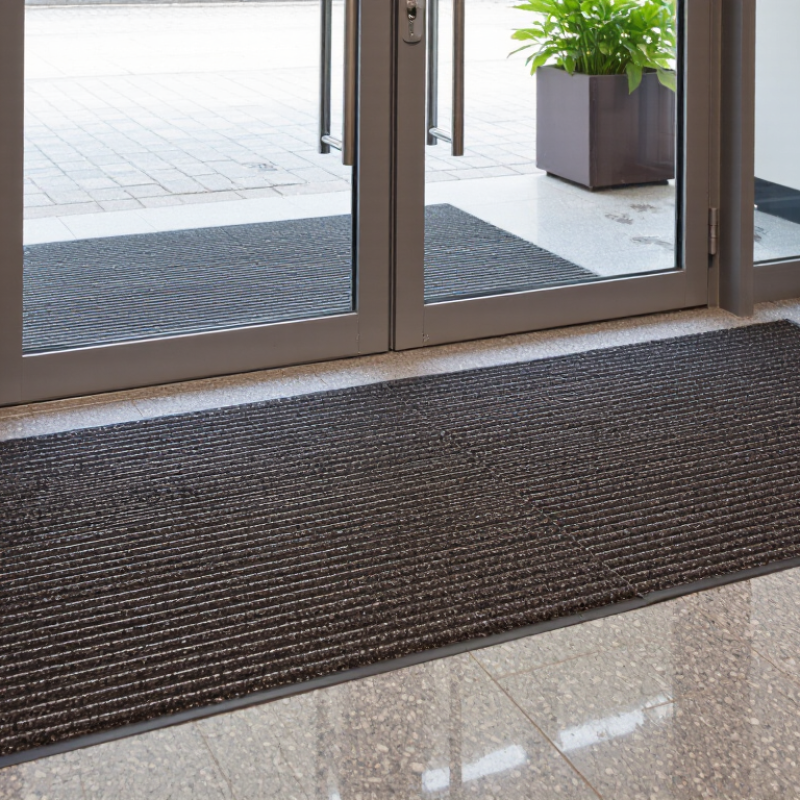
An extra large welcome mat for business use is more than a wider doormat. It is a floor-protection tool designed for steady, repeated foot traffic. In practice, the right size begins at the entrance and extends beyond the first few steps. A mat that only covers the doorway may leave wet footprints across polished flooring. For many offices, shops, and public facilities, a length of six to ten feet creates a more useful cleaning zone. Exact dimensions depend on the doorway, traffic direction, and available floor space.
A commercial-grade mat should combine dense fibers, strong edge binding, and a slip-resistant backing. Surface texture matters. Grooves can catch grit, while absorbent fibers hold rainwater and melting snow.
The backing should stay flat on the floor, even when carts or wheelchairs cross it. Safety teams should check for curled corners, shifting, and moisture beneath the mat during routine inspections. Small failures become expensive distractions.
Maintenance defines performance as much as construction. Staff may need to vacuum daily, remove loose debris, and wash the mat according to its material. A very large mat can reduce cleaning work indoors, but it also takes more effort to move and dry. That trade-off is easy to underestimate. I have seen entrance plans favor maximum coverage, then struggle with storage and laundering. Measure the doorway, map the walking path, and test the mat during the busiest hours. Comfort, appearance, and practical upkeep must fit the building, not just the product description.
For a busy commercial entrance, size matters as much as material. An extra-large mat should cover the full approach, not stop at the doorway. The Carpet and Rug Institute reports that up to 85% of building dirt arrives on footwear. That supports longer walk-off zones, especially where rain, grit, or snow are common. A narrow mat fails quickly.
For heavy traffic, solution-dyed nylon offers strong resilience and color retention. Polypropylene provides effective scraping and practical stain resistance. Choose a dense, low-profile surface that traps grit without creating a trip edge. A nitrile or similarly durable rubber backing helps resist curling and movement. Avoid loose vinyl edges. U.S. Bureau of Labor Statistics data recorded more than 200,000 workplace cases involving falls, slips, and trips in 2022. Mat stability deserves serious attention.
Maintenance affects performance as much as construction. Specify 10 to 15 feet of continuous walk-off coverage when space allows. Use modular sections when cleaning access matters. Inspect edges daily during wet weather, and vacuum or launder according to soil load. This is where attractive designs disappoint: some mats become saturated before lunch. I would test one sample through a busy week before ordering a full installation. The entrance may behave differently than expected.
| Mat Type | Primary Material | Typical Construction | Main Entrance Strength | Moisture and Soil Performance | Cleaning Method | Recommended Features | Best Commercial Use |
|---|---|---|---|---|---|---|---|
| Nylon Carpet Mat | Solution-dyed or continuous-filament nylon | Dense tufted or needlepunch face with rubber or vinyl backing | Very good wear resistance and effective dirt scraping through repeated foot traffic | Good water absorption; solution-dyed fibers provide strong color retention | Daily vacuuming; periodic extraction or commercial laundering when permitted | Low-profile edge, beveled perimeter, non-slip backing, stain-resistant treatment | Office buildings, retail stores, hotels, schools and public facilities |
| Polypropylene Carpet Mat | Solution-dyed polypropylene | Molded or tufted loop pile with rubber or PVC-free backing | Good resistance to fading, moisture and many common stains | Resists water absorption better than nylon; useful in damp entry areas | Vacuuming, hosing where the product permits, and low-moisture cleaning | Drainage-friendly backing, UV resistance, reinforced edges and slip resistance | Covered entrances, supermarkets, service counters and high-use corridors |
| Rubber Scraper Mat | Natural or synthetic rubber | Raised rubber ribs, cleats or molded scraping patterns | Excellent for removing coarse dirt, grit and mud from shoe soles | Water-resistant and suitable for wet or exposed entrances; does not provide high absorbency | Shake, sweep, vacuum or hose; allow the underside and floor to dry | Open-grid drainage, beveled borders, oil-resistant rubber and strong anti-slip texture | Loading areas, factories, garden centers and exterior vestibules |
| Vinyl Loop Mat | Vinyl or PVC looped surface | Continuous loop construction designed to trap particles below the walking surface | Good durability with a firm surface suited to carts and frequent pedestrian traffic | Limited absorbency; performs best as a scraper or as the first stage of a two-mat system | Vacuuming, sweeping and damp mopping; follow the product cleaning instructions | Tight loops, beveled edges, textured backing and compatibility with wheeled traffic | Retail entrances, healthcare facilities, warehouses and transit buildings |
| Aluminum Scraper Insert Mat | Anodized aluminum rails with replaceable textile or rubber inserts | Rigid modular sections joined by flexible connectors | Excellent structural stability for very heavy traffic and wheeled loads | Depends on the insert; scraper inserts handle debris while textile inserts improve drying | Lift or roll sections for floor cleaning; replace worn inserts individually | Recessed installation, ramped frame, corrosion-resistant rails and replaceable inserts | Airports, hospitals, shopping centers and large corporate entrances |
| Coir Fiber Mat | Natural coconut husk fiber | Dense woven or tufted natural fibers with latex, PVC or rubber backing | Effective dry scraping but generally less suitable for continuous wet, heavy-duty traffic | Absorbs moisture, but prolonged dampness can encourage odor or fiber deterioration | Frequent vacuuming and dry cleaning; avoid saturating unless specifically approved | Firm backing, low-profile border, secure placement and indoor or sheltered installation | Decorative business entrances, boutique shops and low-to-moderate traffic areas |
Choosing an extra large welcome mat starts with measuring the entrance, not guessing from a product photo. Record doorway width, swing clearance, traffic direction, and available interior space. A mat should cover the main walking path, allowing several steps before visitors reach hard flooring. In a busy lobby, a narrow mat leaves wet footprints around its edges. That defeats its purpose. From site checks, I have found that an oversized mat can also create problems when doors drag or emergency routes become crowded. Measure twice. Then test the layout with temporary tape.
Safety depends on more than thickness. Look for a stable backing, low beveled edges, strong floor contact, and a surface that remains grippy when damp. The mat should lie flat after delivery and resist curling at the corners. Ask for tested slip-resistance data when available, rather than trusting vague claims. Consider wheelchair users, carts, strollers, and people carrying boxes. A deep, soft pile may feel luxurious, but it can slow wheels and trap debris. Local accessibility and fire-safety requirements still need checking. I would not assume one specification suits every entrance.
Cleaning requirements often decide whether a large mat remains an asset. Compare vacuuming frequency, spot-cleaning methods, drying time, and whether staff can safely move it. A heavy mat may perform well but become impractical without lifting equipment. Inspect edges and backing weekly during rainy seasons. That habit catches curling early. My own comparison would include a small trial, because estimates rarely reflect muddy weather, delivery traffic, or understaffed shifts.
An extra large welcome mat should match the business setting, not merely fill the entrance. In a corporate office, choose a low-profile mat with a dense surface. It captures dust while allowing wheeled chairs and carts to pass smoothly. Neutral colors also support a polished reception area. For retail stores, a broader, stain-resistant mat works well near busy doors. It should handle shopping carts, frequent foot traffic, and occasional spills without curling.
Restaurants and hotels need mats with strong moisture absorption. Place them inside the entrance, especially during rainy seasons. A rubber-backed option can improve stability on smooth flooring.
Industrial facilities require tougher designs with textured surfaces and drainage channels. These mats can trap grit, oil residue, and water before they spread across the building.
Healthcare entrances need easy-clean materials and secure edges. Small details matter there. A loose corner can create an unnecessary hazard.
Tips: Measure the full doorway width first. Extend the mat beyond the main walking path when possible. Leave enough clearance for doors and mobility devices. Check the backing regularly for wear or trapped moisture. I have seen attractive mats fail because they were too thin for the traffic. That mistake is easy to repeat. A slightly heavier mat may cost more, but replacing a damaged floor costs far more. Review the entrance after bad weather, then adjust the mat size or placement if needed.
Choosing an extra large welcome mat starts with the entrance itself. Measure the full doorway width and walking path, not just the threshold. A mat should allow several footsteps, so visitors remove moisture before reaching the floor. For a busy shop, choose dense, water-absorbing fibers with a firm, low profile. High piles may trap more dirt, but they can catch wheels, shoes, or mobility aids. Safety matters more than appearance.
I once saw a large mat curl because the doorway stayed damp underneath. It looked harmless. It was not. Select a slip-resistant backing, then place the mat on a clean, level surface. Keep doors from scraping its edges. Leave enough clearance for opening and closing. In rainy areas, use a recessed mat well or add a drainage layer when suitable.
Maintenance needs a written routine. Vacuum daily near entrances and shake or extract the mat as conditions require. Blot spills quickly. Do not oversaturate the backing unless it can dry completely. Inspect corners, seams, and raised edges every week. A damaged mat should leave the entrance promptly. Delaying replacement can create a trip hazard and damage the floor below. Keep a spare if the business receives heavy foot traffic. That small detail is easy to overlook.
Surface area is calculated from standard rectangular mat dimensions. A 6 × 10 ft mat provides 60 square feet of coverage, while an 8 × 12 ft mat provides 96 square feet for wider entrances and heavier foot traffic. Choose a mat that fits the doorway without blocking doors, install it flat on a stable surface, and vacuum or clean it regularly to preserve traction and moisture absorption.