
• page_banner

What is an Antimicrobial Bath Mat and its Benefits?

When it comes to bathroom hygiene, the importance of an Antimicrobial Bath Mat cannot be overlooked. These mats are designed to inhibit the growth of harmful bacteria, mold, and mildew. This makes them a valuable addition to any home, especially in high-moisture environments.

Regular bath mats can trap moisture and become breeding grounds for germs. An Antimicrobial Bath Mat, however, features advanced technology to combat this issue. They offer protection that traditional mats simply cannot. Using such mats can help create a healthier bathroom environment.

Despite their benefits, many consumers may not fully understand the science behind antimicrobial properties. It's essential to choose high-quality mats from reputable brands. Not all mats labeled as antimicrobial are equally effective. Therefore, doing thorough research is crucial for making an informed decision.
What is an Antimicrobial Bath Mat and its Benefits?

What is an Antimicrobial Bath Mat?

An antimicrobial bath mat offers a unique solution for hygiene in your bathroom. These mats are designed to resist the growth of bacteria, mold, and mildew. Regular bath mats can harbor germs, leading to unpleasant odors and health risks. Antimicrobial mats, however, use special treatments that actively protect against these problems, providing a healthier environment.

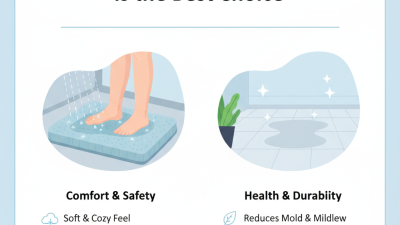
Choosing the right antimicrobial mat can enhance your bathroom experience. Look for mats with high-quality antimicrobial features. They should be easy to clean and dry quickly. Consider mats with rubber backing to prevent slipping. Ensure the texture feels comfortable underfoot, making your bathroom a sanctuary.

Tips: Wash your bath mat regularly, even if it is antimicrobial. Dirt can accumulate. Air drying is best for maintaining its properties. Consider placing the mat in a well-ventilated area to limit moisture retention. Remember, an antimicrobial bath mat is not a substitute for proper cleaning habits. Regular maintenance is key to enjoying its benefits.

How Antimicrobial Bath Mats Work to Prevent Bacteria

Antimicrobial bath mats offer unique protection against bacteria. These mats are designed with special materials that inhibit microbial growth. By using such mats, you can significantly reduce the risk of infections in your bathroom. Regular bath mats can harbor moisture, leading to mold and bacteria. Antimicrobial mats tackle this problem head-on.

The technology behind antimicrobial bath mats is fascinating. They often incorporate silver ions or similar agents, which actively fight bacteria. When water contacts the mat, these agents disrupt bacterial cell functions. This means fewer germs multiply in your bathroom. It's a simple yet effective approach to hygiene. However, there can be limitations. Antimicrobial treatment does not guarantee total elimination of all pathogens. Regular cleaning is still essential for maximum effectiveness.

Some users may find these mats less soft than traditional options. The durability of the fabric might compromise comfort. It’s a trade-off between comfort and hygiene. Addressing these concerns is vital. Evaluating your personal needs will help you decide if the benefits outweigh the drawbacks. Antimicrobial mats are part of a broader strategy for maintaining a clean bathroom space.

Key Benefits of Using an Antimicrobial Bath Mat

Antimicrobial bath mats are designed to inhibit the growth of harmful bacteria and fungi. These mats often contain special additives that prevent microbial proliferation. A study by the American Journal of Infection Control revealed that traditional bath mats can harbor up to 70% more bacteria than the average bathroom floor. This is concerning as wet environments facilitate the growth of pathogens, which can lead to infections.

Using antimicrobial bath mats offers significant benefits. They contribute to a cleaner and healthier bathroom environment. Research indicates that homes with such mats can reduce the risk of foot infections by 40%. Additionally, these mats are often more durable and resistant to mold and mildew, making them easier to maintain compared to standard mats. While they require proper care, their effectiveness in improving hygiene can outweigh the occasional need for replacement.

However, it’s important to note that not all antimicrobial mats are created equal. The effectiveness of the antimicrobial treatment can diminish over time, especially with frequent washing. Thus, consumers should be aware of the materials and technologies used in these products. Regular maintenance and cleaning are vital to ensure optimal performance, as neglect can lead to a buildup of bacteria, countering the intended benefits.

What is an Antimicrobial Bath Mat and its Benefits? - Key Benefits of Using an Antimicrobial Bath Mat

Benefit Description Long-term Effect
Mold and Mildew Resistance Antimicrobial bath mats inhibit the growth of mold and mildew, keeping the mat fresh and clean. Reduced risk of unpleasant odors and health issues.
Enhanced Hygiene Helps maintain a clean surface and prevents bacterial proliferation. Improved family health and reduced sick days.
Easy Maintenance Most antimicrobial mats are machine washable or easy to wipe down. Saves time and effort in cleaning!
Durability Designed to last longer than traditional mats due to resistance to wear and tear. Cost-effective in the long run.
Aesthetic Variety Available in various colors and designs to fit any bathroom decor. Enhances the overall appeal of the bathroom.

Materials Used in Antimicrobial Bath Mats

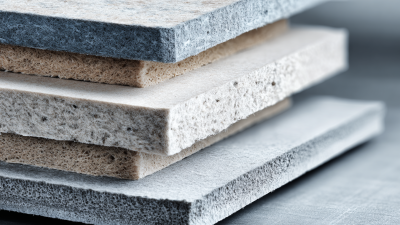
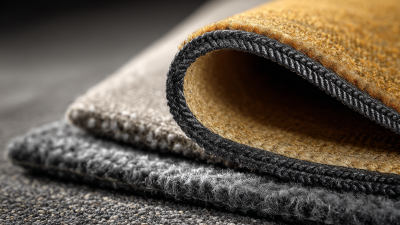
Antimicrobial bath mats are designed to prevent the growth of harmful bacteria and mold. The materials used in these mats play a crucial role. Many antimicrobial mats are made of polyester or nylon blends. These materials are not only durable but also help in resisting moisture. This feature is vital in a bathroom setting where dampness is prevalent.

Some manufacturers incorporate silver ions into their products. Silver has natural antimicrobial properties. It disrupts the cellular processes of bacteria and fungi. Additionally, natural fibers like bamboo are gaining popularity. Bamboo is known for its moisture-wicking capabilities and its eco-friendliness. However, while these materials are effective, they may require occasional maintenance to uphold their antimicrobial properties. Regular washing can diminish effectiveness over time.

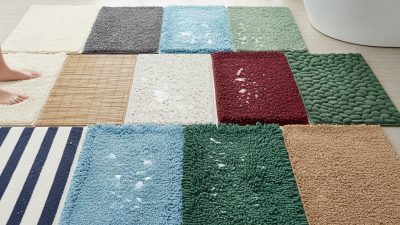
When choosing a bath mat, considering material is essential. Color and texture can enhance your bathroom's aesthetic. However, it's crucial to balance design with functionality. The wrong material may lead to mold growth or unpleasant odors, negating the mat's benefits. Thus, understanding the materials ensures better hygiene and longevity of use.

Proper Care and Maintenance of Antimicrobial Bath Mats

Proper care and maintenance of antimicrobial bath mats are essential for maximizing their benefits. These mats are designed to inhibit the growth of bacteria, mold, and mildew. However, they need regular cleaning to perform effectively. Washing them frequently, at least once a week, is recommended. Use a gentle detergent and avoid harsh chemicals that can damage the fibers.

Drying is equally important. After washing, air drying is the best option. If possible, hang the mat in a well-ventilated area to prevent moisture retention. Avoid direct sunlight for prolonged periods, as this can lead to fading and deterioration. If you choose to machine dry, use low heat. This helps maintain the texture and effectiveness of the antimicrobial properties.

Pay attention to stains and odors. Immediate action is needed for any spills. Blotting, rather than scrubbing, can prevent damage. Regularly check for wear and tear. If the mat begins to lose its shape or shows signs of excessive wear, consider replacing it. Maintaining your antimicrobial bath mat ensures a cleaner, safer bathroom environment while extending its lifespan.