
2026 Top Plastic Green Grass Mat Suppliers for Global Buyers
The 2026 market for Plastic Green Grass Mat products is becoming more practical, competitive, and specification-driven. Global buyers now assess suppliers beyond catalog photos and attractive pricing. They examine material consistency, backing strength, drainage performance, color stability, packaging, and long-term service. A reliable supplier should explain whether the mat uses virgin or recycled polymers, how the surface is produced, and which tests support its claims. Clear documentation matters.
Real purchasing experience shows that small details often affect project results. A mat installed beside a hotel pool needs better drainage than one used for an exhibition booth. A balcony installation may require accurate cutting, stable edges, and resistance to sunlight. Suppliers should provide samples, technical data sheets, production photographs, and realistic lead times. Certifications can strengthen confidence, but buyers should verify their scope and validity rather than accept every badge at face value.
Not every supplier fits every project.
This guide reviews leading Plastic Green Grass Mat suppliers for global buyers in 2026. It considers manufacturing capability, product customization, quality control, export experience, communication, and after-sales support. The evaluation is not perfect. Public information can change, and factory performance may vary between batches. Buyers should request current samples and confirm specifications before placing large orders. A lower price may look attractive, yet weak backing or uneven color can create replacement costs later. Careful comparison remains essential, especially when importing across different climates, standards, and delivery conditions.
What Is Plastic Green Grass Mat and How Is It Used?
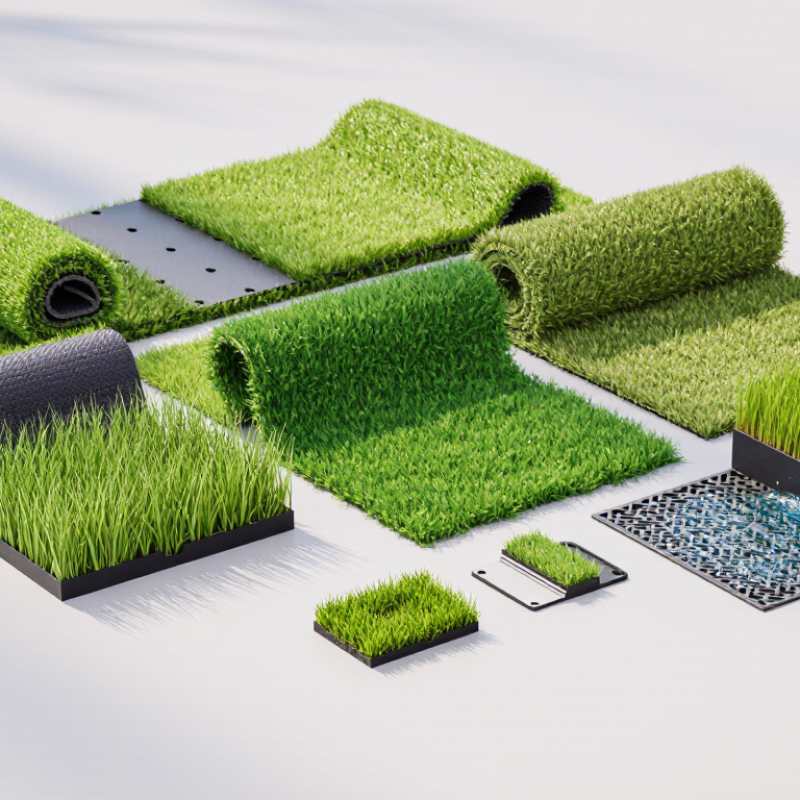
Plastic green grass mat is a manufactured surface made from plastic grass fibers and a flexible backing. Common fibers include polyethylene or polypropylene. The backing often contains drainage holes, which help rainwater pass through. Unlike living turf, it needs no soil, mowing, or daily watering. It is not a perfect lawn. Its main purpose is creating a clean, green-looking surface with limited maintenance.
For balconies, patios, exhibitions, cafés, and temporary event areas, the mat can soften hard flooring. It also helps define walking zones and improves visual comfort. During installation, the floor should be clean, dry, and reasonably level. A sharp utility knife makes accurate cuts. Secure edges carefully, especially in windy outdoor locations. Loose corners can create trip hazards. In wet climates, poor drainage may cause odors or algae beneath the mat.
Regular brushing removes leaves and restores flattened fibers. Mild soap and water usually handle common stains. Avoid harsh chemicals, open flames, and excessive heat. Darker surfaces may become hot under strong sunlight. I have found that low-cost mats often look convincing in photos but feel thin underfoot. That difference matters. Before buying, check pile height, backing thickness, UV resistance, drainage design, and cleaning guidance. Request samples, then inspect them after bending, wetting, and walking across them. Supplier claims still need practical checking.
2026 Top Plastic Green Grass Mat Suppliers for Global Buyers - What Is Plastic Green Grass Mat and How Is It Used?
| Data Dimension | Verified General Information | Typical Buyer Requirement | Procurement Notes for Global Buyers |
|---|---|---|---|
| Product definition | Plastic green grass mat is a synthetic surface made from polymer yarns or molded plastic strands designed to resemble natural grass. | A consistent green appearance with easy installation and limited routine maintenance. | Confirm whether the product is tufted artificial turf, woven matting, molded grass mat, or drainage-backed carpet. |
| Common polymers | Polyethylene (PE), polypropylene (PP), and polyamide (nylon) are commonly used in synthetic grass products. | PE is often selected for a soft, natural appearance; PP can be used for economical or firmer surfaces; nylon is known for high resilience. | Request the polymer type, yarn structure, recycled content, and safety documentation before ordering. |
| Typical pile height | Decorative mats commonly use shorter piles, while landscape and recreational turf generally use longer pile heights. Commercial products are often available from approximately 10 mm to 50 mm. | Short pile for balconies, exhibitions, and events; medium or long pile for gardens, terraces, play areas, and visual landscaping. | Pile height should be matched with foot traffic, drainage needs, cleaning frequency, and the desired visual effect. |
| Primary backing | The primary backing holds the synthetic yarns in place and may be manufactured from woven or non-woven polymer materials. | Stable dimensions, secure tuft retention, and resistance to tearing during handling and installation. | Ask for backing composition, weight, stitch or tuft density, and dimensional stability test results. |
| Secondary backing | Latex, polyurethane, or other coating systems may be applied to improve tuft lock, strength, and dimensional stability. | A backing that supports the intended environment without blocking required water drainage. | Verify coating type, odor performance, drainage holes, recyclability, and compatibility with adhesives. |
| Typical widths | Roll widths vary by product and production line; approximately 2 m to 4 m widths are common for many artificial turf applications. | Width that minimizes seams and reduces cutting waste at the installation site. | Confirm roll width tolerance, roll length, core diameter, net weight, and container loading dimensions. |
| Drainage performance | Perforated backings and open structures allow rainwater or wash water to pass through when installed over a suitable permeable base. | Fast drainage for outdoor landscaping, pet areas, balconies, and temporary events. | A drainage-capable mat cannot compensate for an impermeable or poorly graded sub-base; test the complete installation system. |
| UV resistance | Outdoor synthetic grass normally requires UV stabilizers to reduce fading and polymer degradation caused by sunlight. | Color retention appropriate for the intended climate and exposure duration. | Request accelerated weathering data, color-change limits, and the warranty conditions for outdoor use. |
| Surface applications | Common uses include balconies, patios, rooftops, gardens, walkways, exhibitions, retail displays, hospitality areas, and temporary events. | A surface selected according to traffic level, weather exposure, appearance, and cleaning requirements. | Do not use decorative matting for sports or playground applications unless it has been specifically tested and certified for those uses. |
| Installation methods | Depending on the site, mats may be loose-laid, secured with edging, fixed with tape or adhesive, or mechanically anchored. | A stable, flat, clean, and adequately drained base with neat seams and safe edges. | Include seam tape, adhesive compatibility, edge restraints, sub-base preparation, and installation labor in the landed-cost calculation. |
| Maintenance | Routine care generally includes removing debris, brushing flattened fibers, cleaning spills, and controlling weeds around the edges. | Low water consumption and no mowing, fertilizing, or routine pesticide application. | Maintenance requirements depend on traffic, dust, pets, weather, infill, and the drainage system. |
| Fire performance | Synthetic polymers can melt or burn; fire behavior varies according to yarn, backing, coating, infill, and installation assembly. | Compliance with the fire regulations applicable to the destination country and building type. | Obtain a current fire-test report for the exact product and installation configuration rather than relying on a generic claim. |
| Safety and chemical compliance | Material safety depends on polymer additives, coatings, dyes, infill, and manufacturing controls. | Documentation appropriate for the destination market, especially for public, child-accessible, or indoor installations. | Request declarations and laboratory reports covering restricted substances, emissions, heavy metals, and applicable local regulations. |
| Packaging and shipping | Grass mats are commonly rolled and protected with plastic film, woven bags, cartons, or other transport packaging. | Packaging that prevents crushing, moisture damage, contamination, and roll deformation during international transport. | Confirm harmonized tariff classification, pallet or roll dimensions, gross weight, moisture protection, and export documents. |
| Supplier evaluation criteria | A reliable supplier should provide consistent specifications, samples, production quality control, test reports, and transparent commercial terms. | Repeatable quality, clear lead times, responsive communication, and traceable documentation. | Compare samples, technical data sheets, inspection procedures, minimum order quantity, payment terms, warranty scope, and after-sales support. |
Note: Product specifications vary by construction, application, installation method, and destination-market requirements. Buyers should verify the exact model, test documentation, and compliance status before placing an order.
Related Posts
-
How to Buy Plastic Green Grass Mats Wholesale?
-
Why Choose Plastic Green Grass Mat for Your Lawn Needs?
-
2026 Top Trends in Imitation Grass Matting for Outdoor Spaces?
-
Exploring the Versatility of the Best Plastic Green Grass Mat for Diverse Applications
-
The Ultimate Guide to Choosing the Best Plastic Green Grass Mat for Your Business Needs
-
Top 10 Benefits of Using Plastic Green Grass Mat for Your Lawn and Garden