2026 Top Commercial Kitchen Mats Benefits and Features Explained?
The importance of proper flooring in commercial kitchens cannot be overstated. Commercial kitchen mats play a vital role in ensuring safety and comfort for employees. According to a recent industry report, slip-and-fall accidents account for nearly 25% of all workplace injuries in food service establishments. By investing in quality mats, kitchens can significantly reduce these risks.
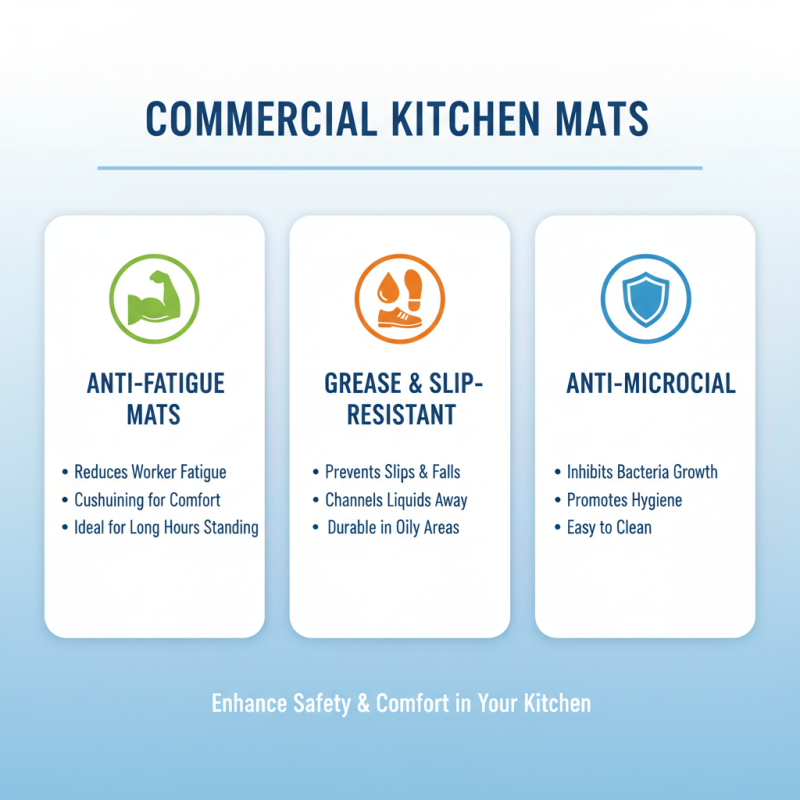
In addition to safety, comfort is a key feature of commercial kitchen mats. Employees often spend long hours on their feet. Studies suggest that anti-fatigue mats can reduce fatigue by up to 50%. This ultimately boosts productivity and employee satisfaction. Many mats also have added benefits, such as being slip-resistant and easy to clean, which are crucial in busy kitchen environments.
However, not all mats are created equal. Selecting the right type can be overwhelming, with options ranging from rubber to gel-infused materials. It’s essential to assess specific kitchen needs carefully. Ignoring this can lead to costly replacements or ongoing safety hazards. Investing in the right commercial kitchen mats is not just a choice; it’s a necessity for creating a safe and efficient workspace.
Overview of Commercial Kitchen Mats and Their Importance
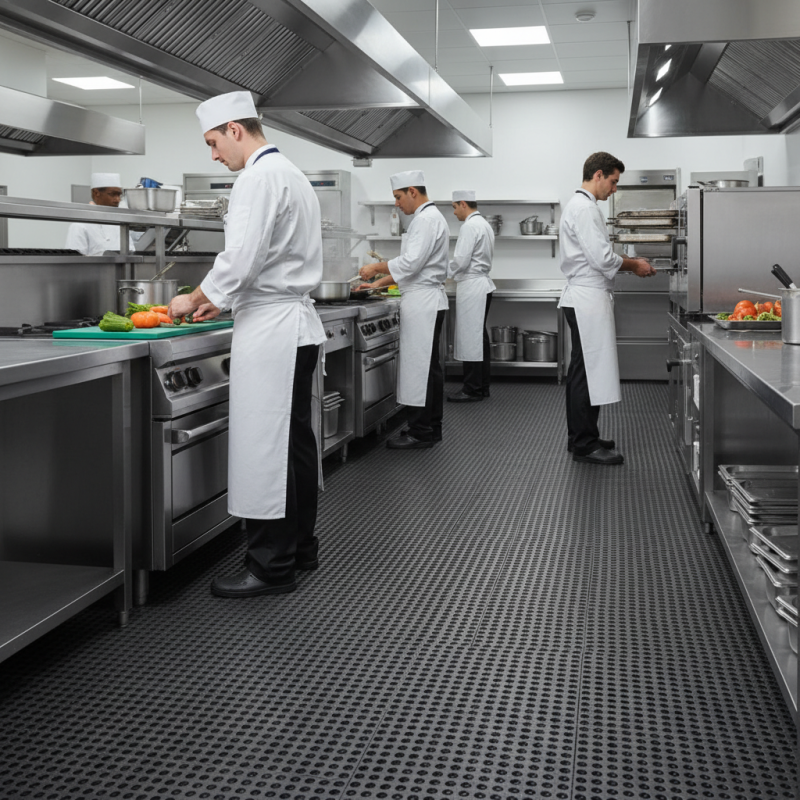
Commercial kitchen mats play a vital role in maintaining safety and efficiency in foodservice environments. According to the National Safety Council, slips and falls account for over 25% of reported workplace injuries. Mats designed for commercial kitchens provide traction and reduce the risk of accidents. They can absorb impact, making them essential for staff who spend long hours on their feet.
Additionally, these mats are crafted to withstand spills and stains. Many materials are resistant to mold and mildew, which is crucial in a kitchen setting. A study from the American Industrial Hygiene Association states that clean surfaces can reduce the spread of foodborne illnesses by up to 50%. Thus, using the right mats can help maintain a hygienic environment. However, some people overlook the importance of regular maintenance. Grime can build up on mats, negating their benefits.
Choosing the right mat involves considering various features. Anti-fatigue mats, for instance, can improve comfort. This leads to better productivity and fewer injuries. However, not all mats offer the same level of support. Businesses must evaluate their specific needs to select the most effective solution. Making informed decisions about commercial kitchen mats is essential for every foodservice establishment.
Benefits of Commercial Kitchen Mats
Key Benefits of Using Kitchen Mats in Commercial Settings
In busy commercial kitchens, mats serve essential purposes. They provide slip resistance, which is vital in reducing accidents. Spills and food debris create hazards. A textured surface on mats can help staff maintain their footing. This feature is crucial during peak hours, where efficiency is key.
Comfort is another significant benefit. Standing for long periods can lead to fatigue. Anti-fatigue mats cushion the feet and support the body. This added comfort can enhance productivity. Kitchen workers may feel less tired and more focused. However, not all mats offer the same comfort level. Keeping an eye on mat quality is important.
Additionally, mats contribute to hygiene. They trap dirt and debris, preventing them from spreading. Regular cleaning of mats is necessary, but some still overlook this detail. A well-maintained mat can enhance the overall cleanliness of the kitchen. Taking time to clean them can also extend their lifespan. It’s a small step that can yield significant benefits.
Features to Look for in Quality Commercial Kitchen Mats
When choosing commercial kitchen mats, several key features should guide your decision. Look for mats made of durable materials that can withstand heavy foot traffic. Rubber is a popular choice, providing both resilience and comfort. Mats should feature anti-slip surfaces to enhance safety, especially in busy kitchens where spills are common.
Consider mats with drainage holes. These can help prevent the accumulation of water and other liquids, reducing slip hazards. Additionally, mats that are easy to clean can save time and effort. Assembly and disassembly should be straightforward for daily maintenance. An important detail often overlooked is the mat's thickness. A thicker mat can provide better cushioning and support for employees, potentially reducing fatigue during long shifts.
It's important to reflect on the aesthetic aspect as well. While functionality is crucial, you don’t want mats to detract from the kitchen’s overall look. Selecting colors or designs that blend well with the kitchen décor can be beneficial. However, sometimes, practicality takes precedence over appearance. Each commercial kitchen has its unique environment, so the best mat choice may vary based on specific needs and challenges.
Maintenance Tips for Longevity of Commercial Kitchen Mats
Maintaining commercial kitchen mats is essential for their longevity. Regular cleaning helps remove dirt and grease. Use a mild detergent mixed with water. A soft brush can help if there are stubborn stains. Remember to rinse mats thoroughly. Allow them to air dry completely before placing them back.
Check mats frequently for wear. Look for cracks or tears. Even small damages can worsen over time. When mats are damaged, they might not provide adequate slip resistance. This could lead to accidents. Replace mats when necessary to ensure safety.
Store mats properly when not in use. Avoid folding or crumpling them. Instead, roll them gently. This helps maintain their structure and function. Some mats can harbor odors if not cleaned regularly. Be aware of this and act quickly if you notice any smells. Keeping mats clean and well-maintained will enhance their lifespan and effectiveness.
2026 Top Commercial Kitchen Mats Benefits and Features Explained
| Feature |
Description |
Benefits |
Maintenance Tips |
| Anti-Fatigue |
Designed to reduce fatigue from standing for long periods. |
Enhances worker comfort and productivity. |
Regularly clean with mild detergent to maintain cushioning. |
| Slip-Resistant |
Textured surface that prevents slipping in wet conditions. |
Reduces the risk of accidents in the kitchen. |
Wipe down regularly to remove debris that may cause slips. |
| Durability |
Made from high-quality materials designed for heavy use. |
Lasts longer, reducing the need for frequent replacements. |
Avoid using harsh chemicals that can degrade material quality. |
| Water Resistant |
Repels water and other liquids from penetrating the mat. |
Prevents mold and mildew growth, ensuring hygiene. |
Dry spills immediately to prolong mat life. |
| Easy to Clean |
Compatible with common cleaning tools and methods. |
Saves time and labor costs in maintenance. |
Implement a daily cleaning routine to avoid buildup. |